
Work Gloves
It can be challenging to choose the right work glove, especially considering different tasks and approval requirements. There is a wide range of gloves with various features and certifications, and it’s not always easy to know which one is the best fit.
We can help you get a better overview, so you can make a safe and informed choice when purchasing gloves.
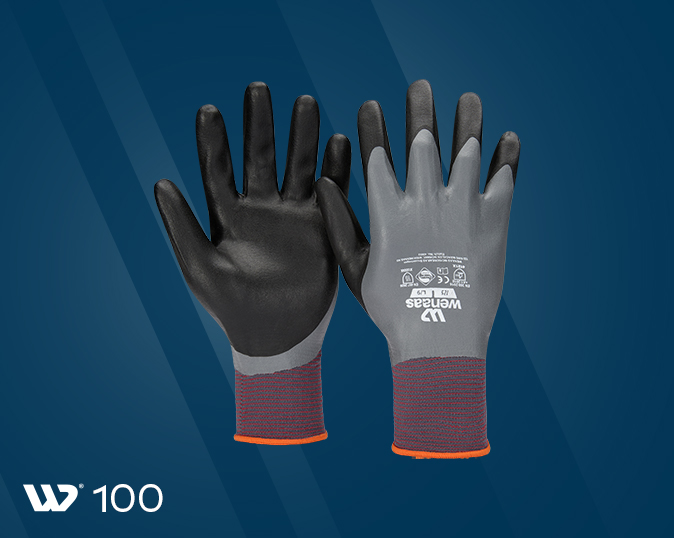

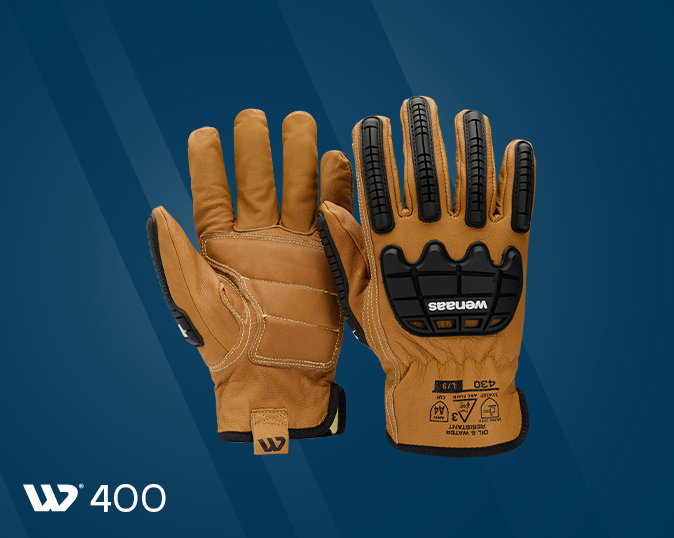
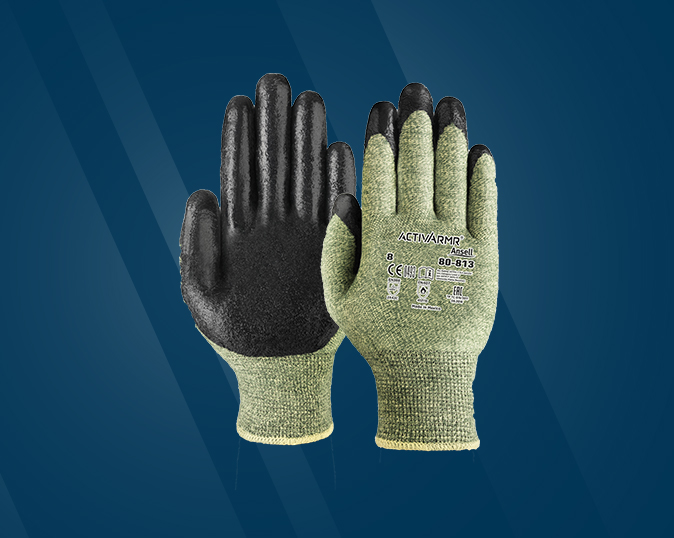
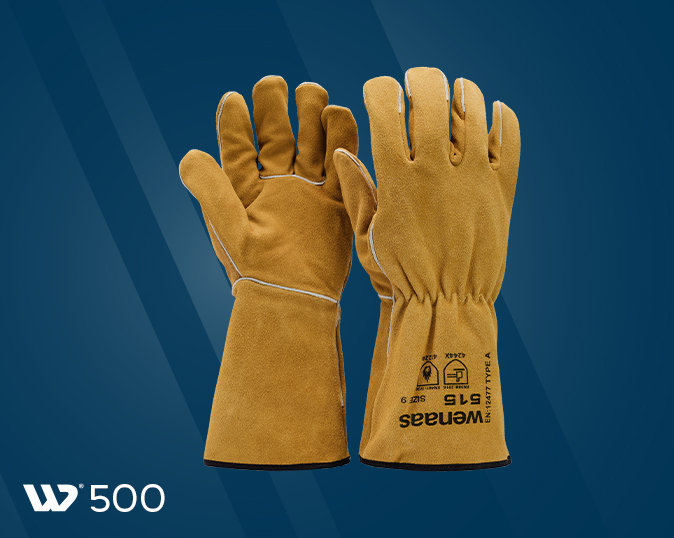
Standards for protective gloves
The standards include requirements and test methods for how the products must be tested and labeled.
EN ISO 21420:2020: General requirements and test methods
EN 388:2016 + A1:2018: Mechanical risks
EN 374:2016: Hazardous chemicals and microorganisms
EN 12477:2001 + A1:2005: Welding
EN 407:2020: Hand protection equipment against thermal hazards
EN 511:2006: Cold (down to -50 °C)
EN 455: Medical use
ASTM F2675/F2675M – 19: Protection against electric arc
ANSI/ISEA 138-2019: Impact
EN 388 versus ANSI/ISEA? What is the difference?
When choosing protective gloves, it is crucial to understand the various standards that apply to ensure the best possible protection against injuries. Two of the most recognized standards are the European EN 388 standard and the American ANSI/ISEA 105 standard. These standards have different approaches and methods. Let us enlighten you.
Assembly Gloves
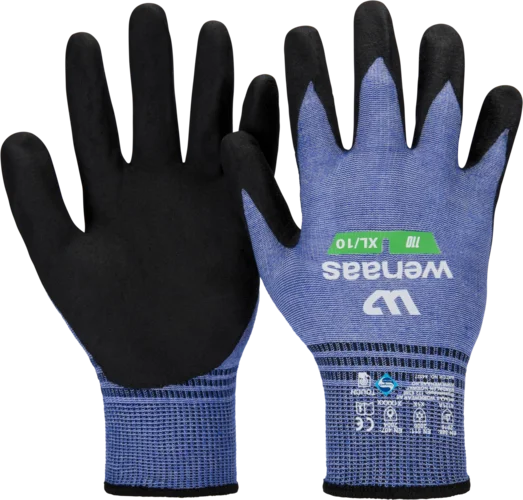
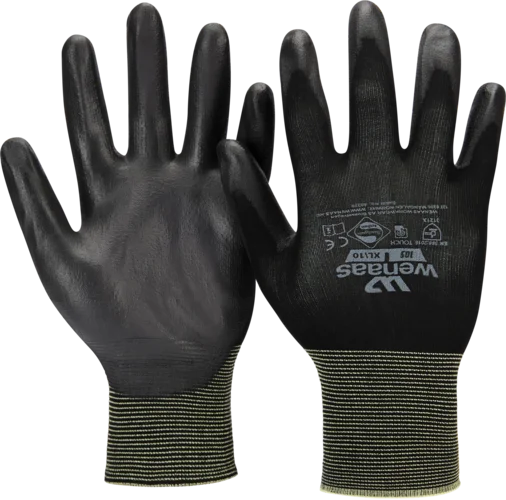
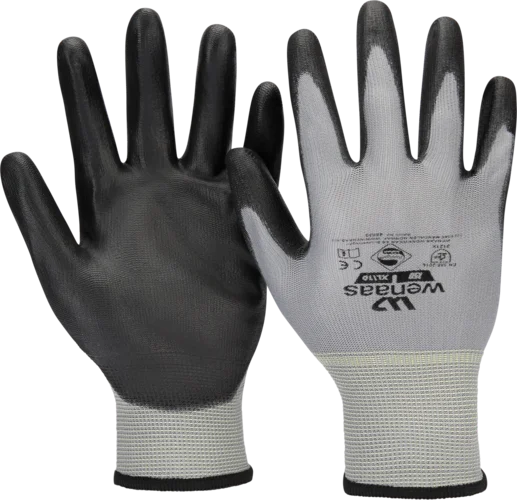
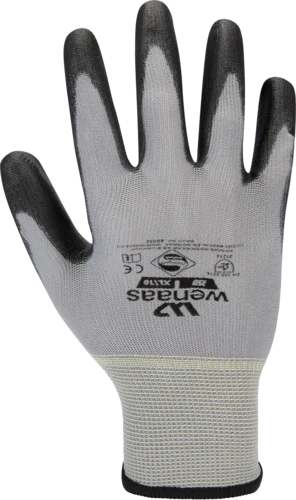
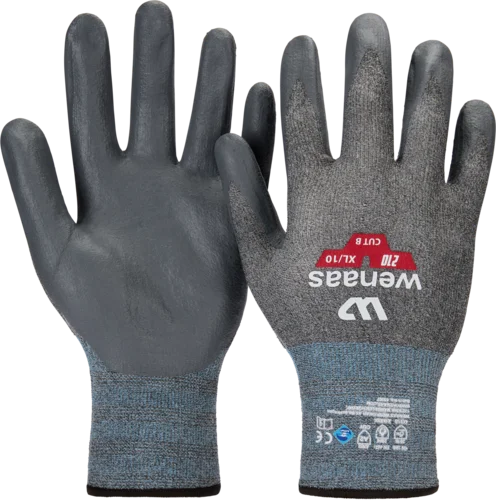
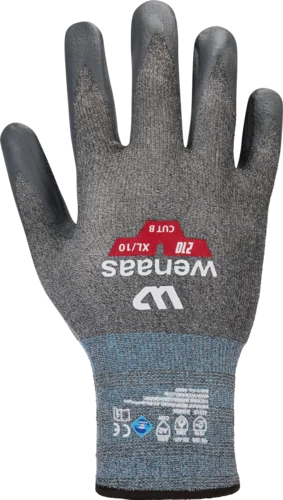
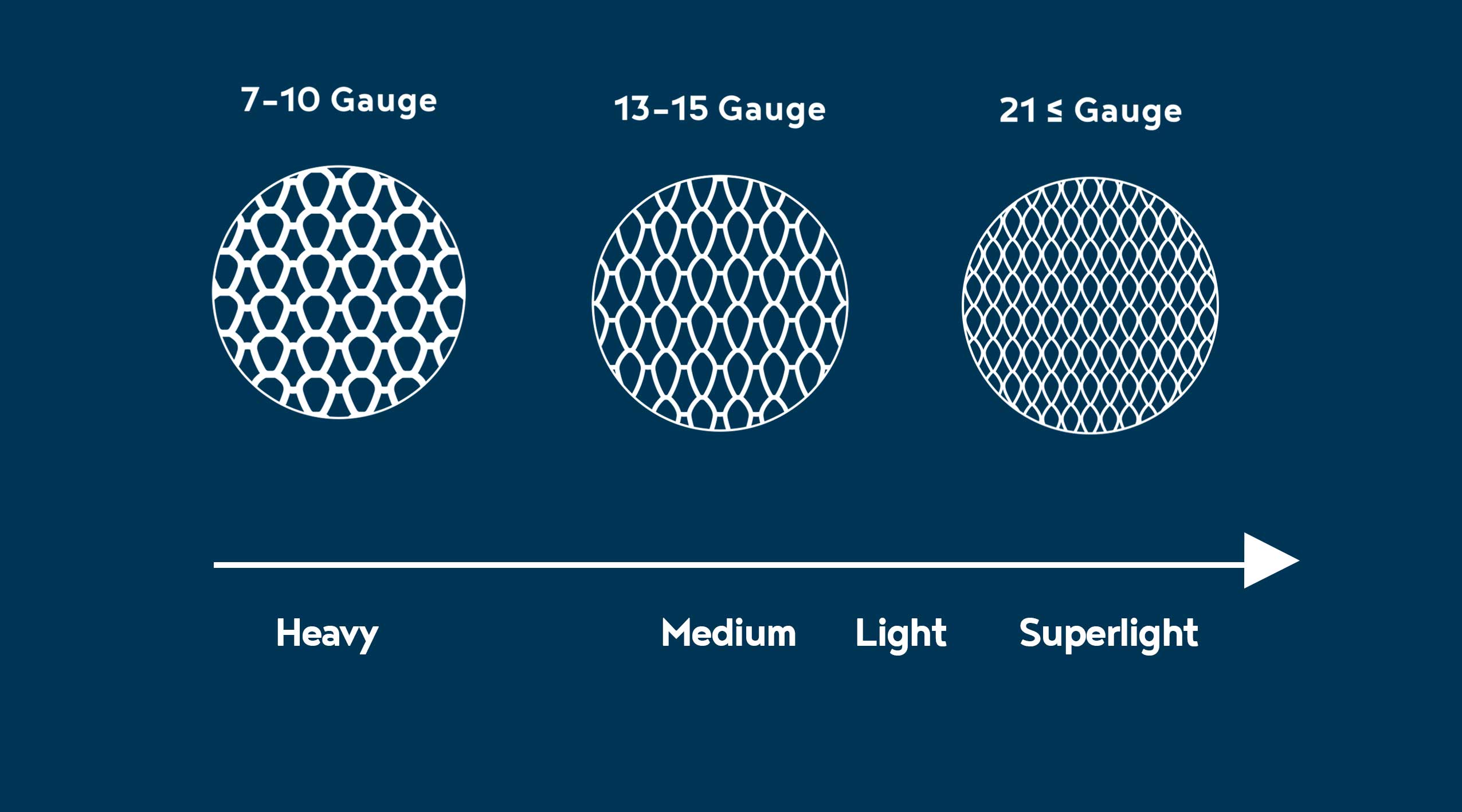
The gauge (GG) indicates the number of stitches per inch in the glove, which affects its thickness and tactile sensitivity. 7-gauge gloves are robust and suited for heavy-duty work, while 21-gauge gloves provide high precision.
Applications: Suitable for all types of assembly work, construction and civil engineering, the automotive industry, process industry, transport, driving, maintenance, and various general uses. This glove category can be used by many professions — for example, craftsmen, warehouse workers, store employees, assemblers, and mechanics.
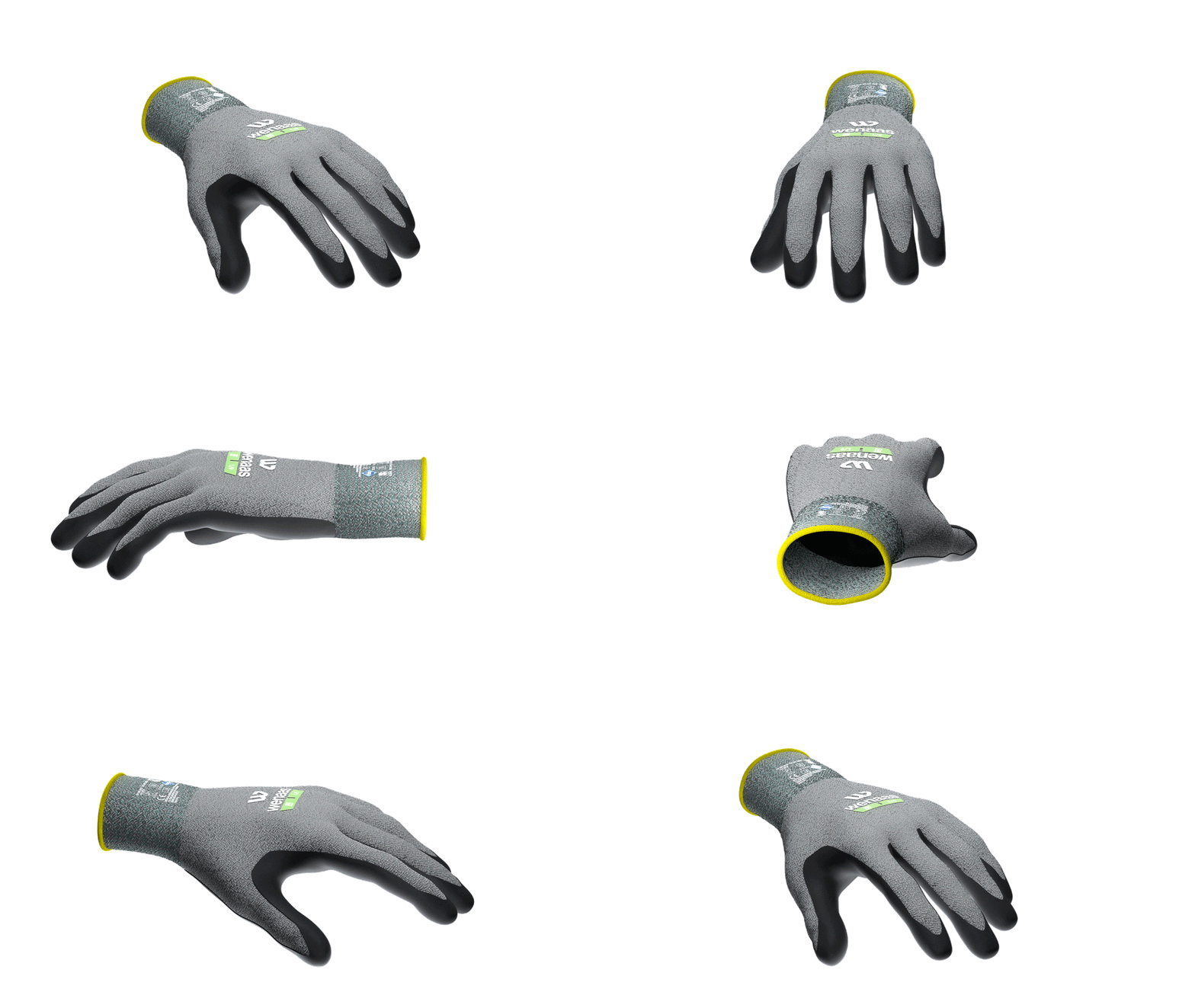
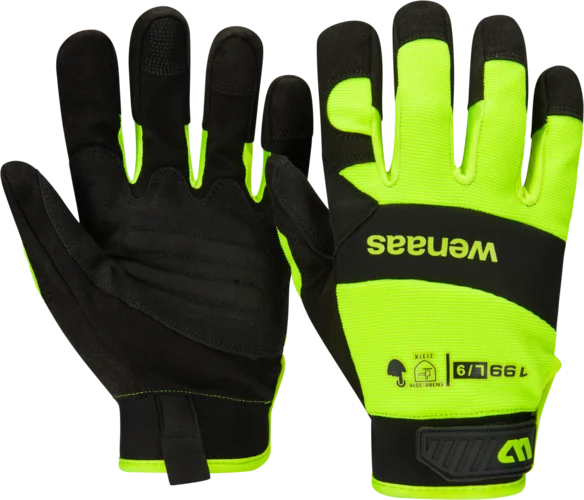
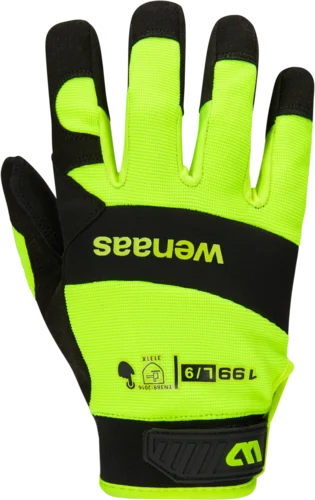
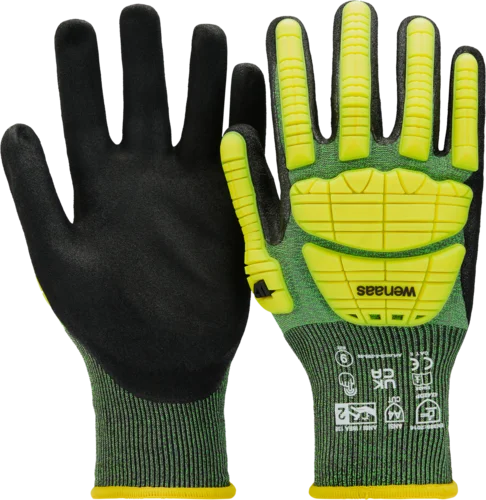
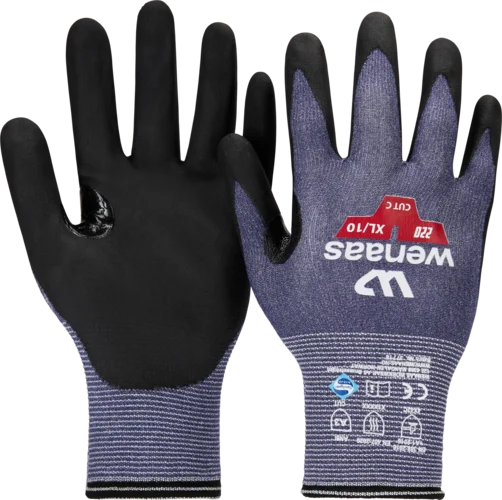
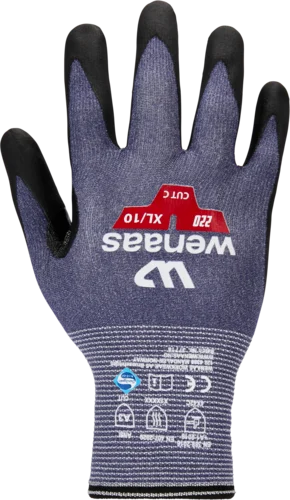
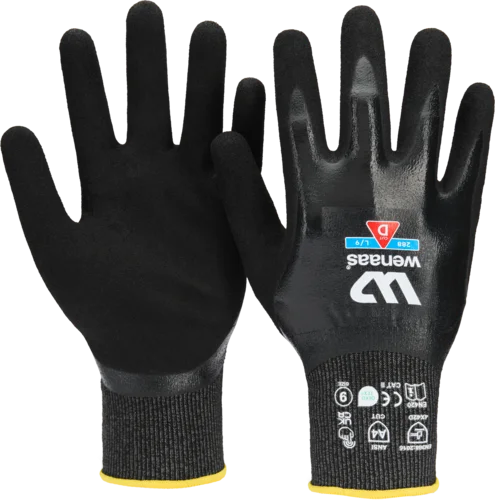
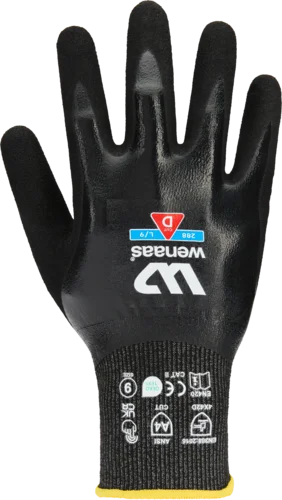
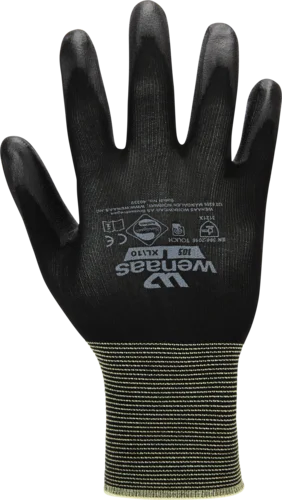
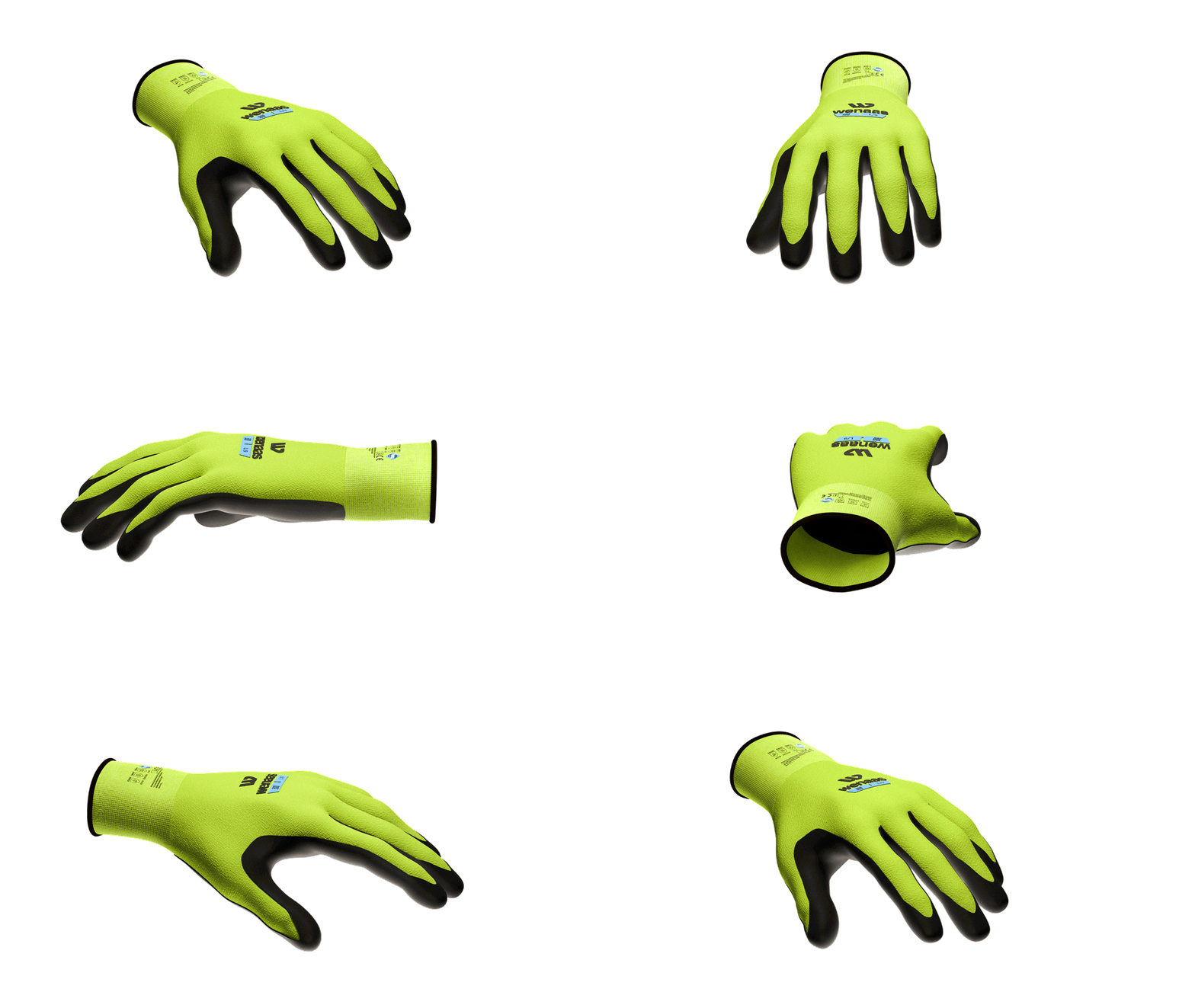
Example of an assembly glove
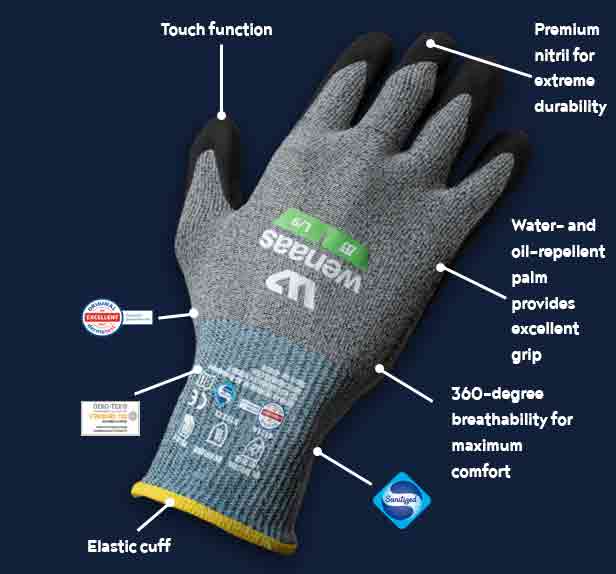
Assembly gloves come in many varieties: fully dipped, half dipped, pre-shaped, with impact protection, and with cut resistance.
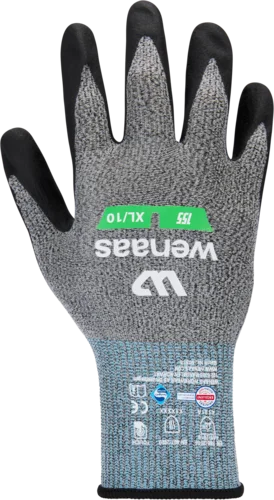
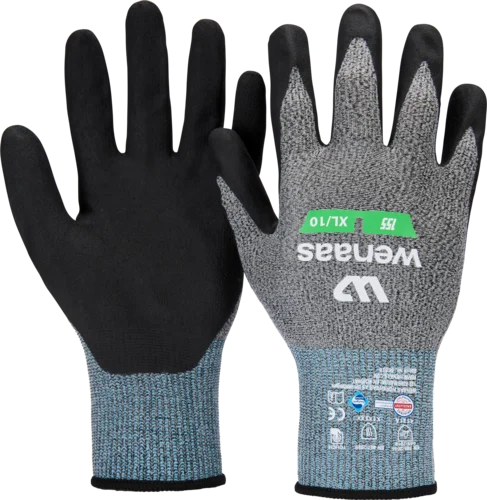
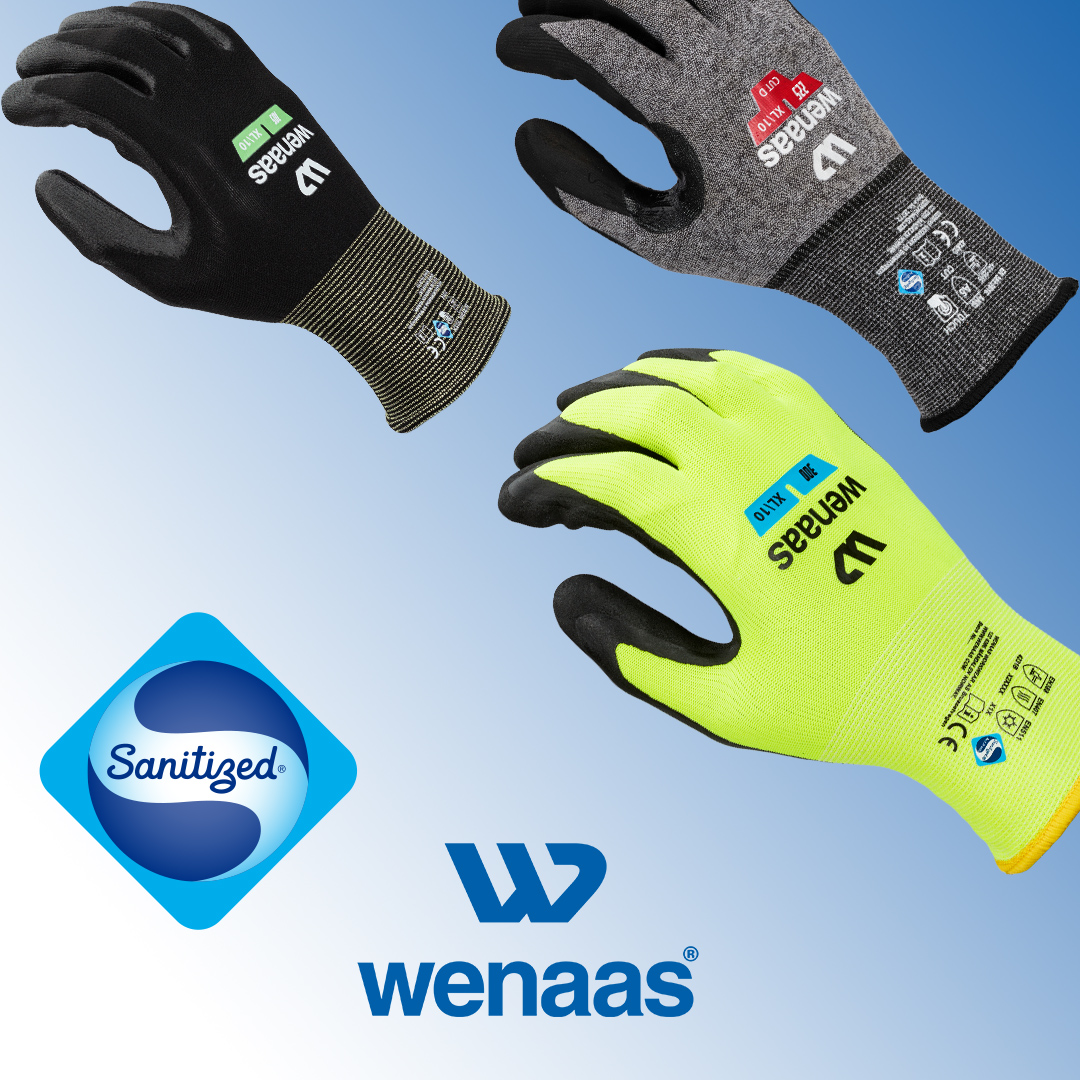
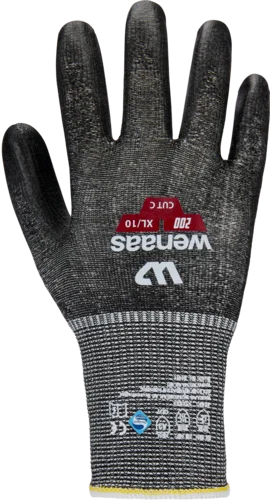
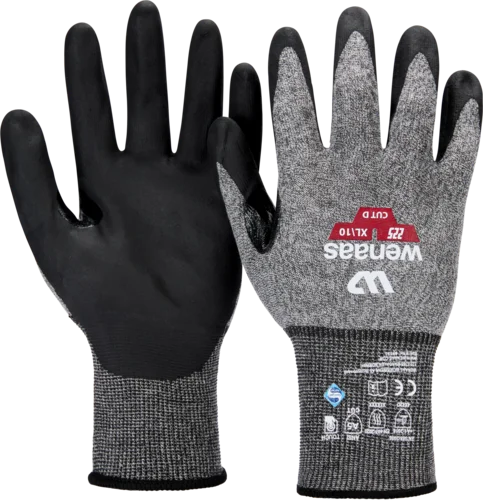
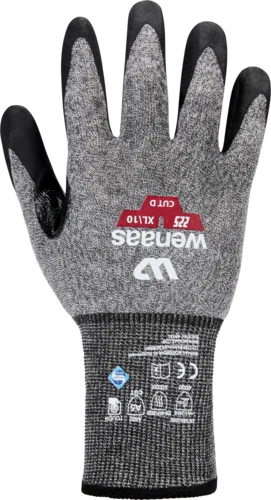
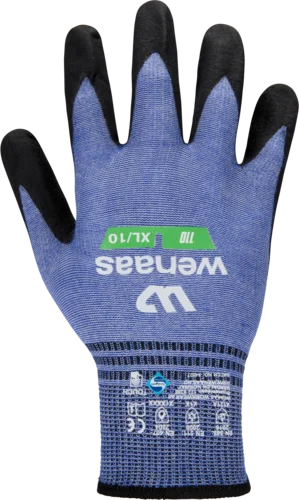
Our Sanitized® close-fitting work gloves
Several of Wenaas’ close-fitting work gloves are Sanitized® treated. This means they are permanently treated to maintain the gloves’ safety and hygiene by eliminating or reducing the presence and growth of bacteria.
Impact Gloves
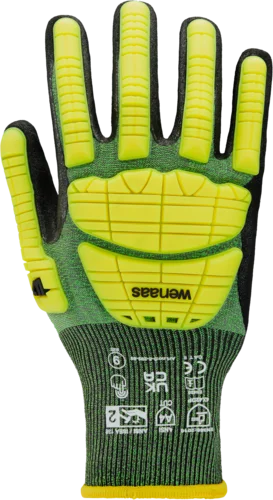
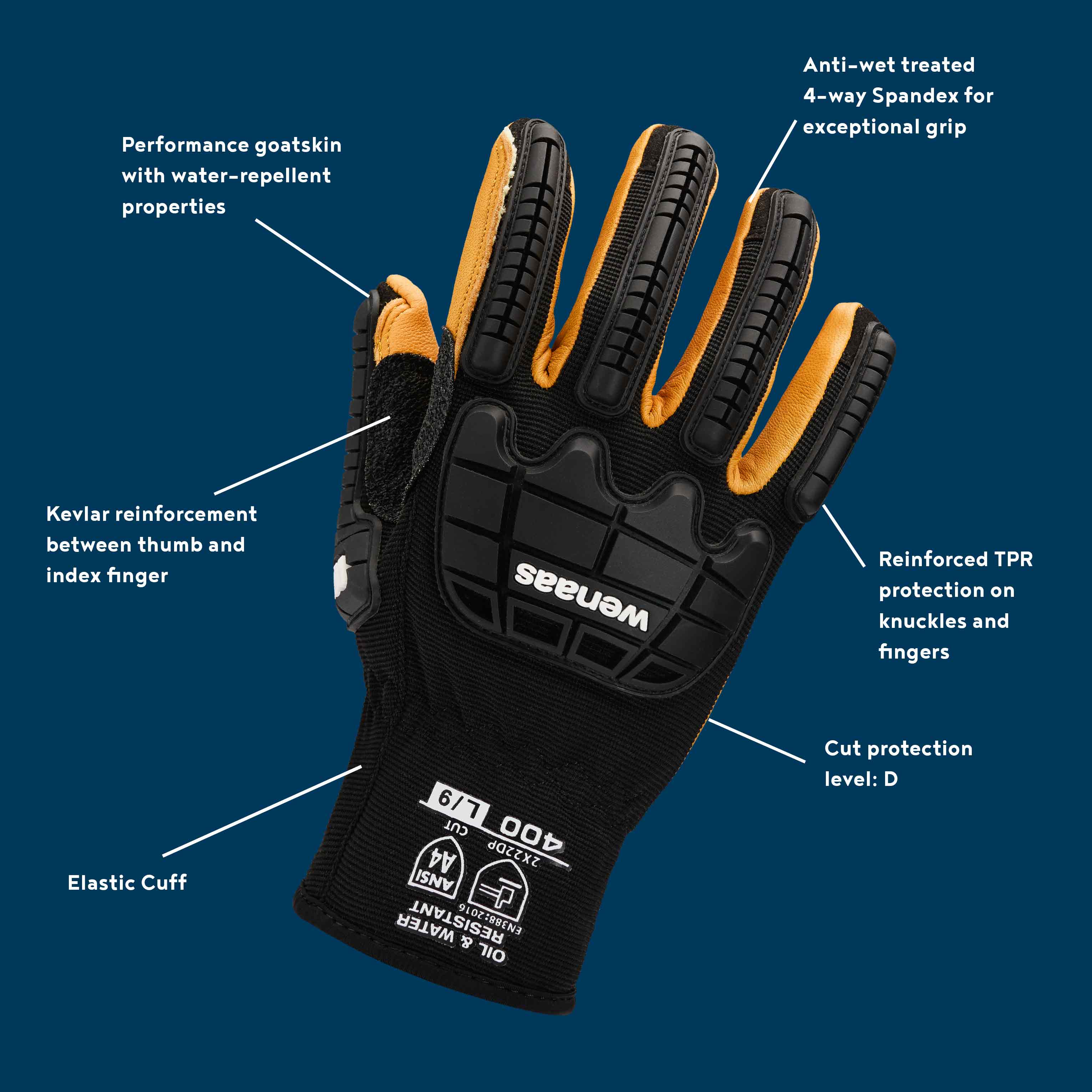
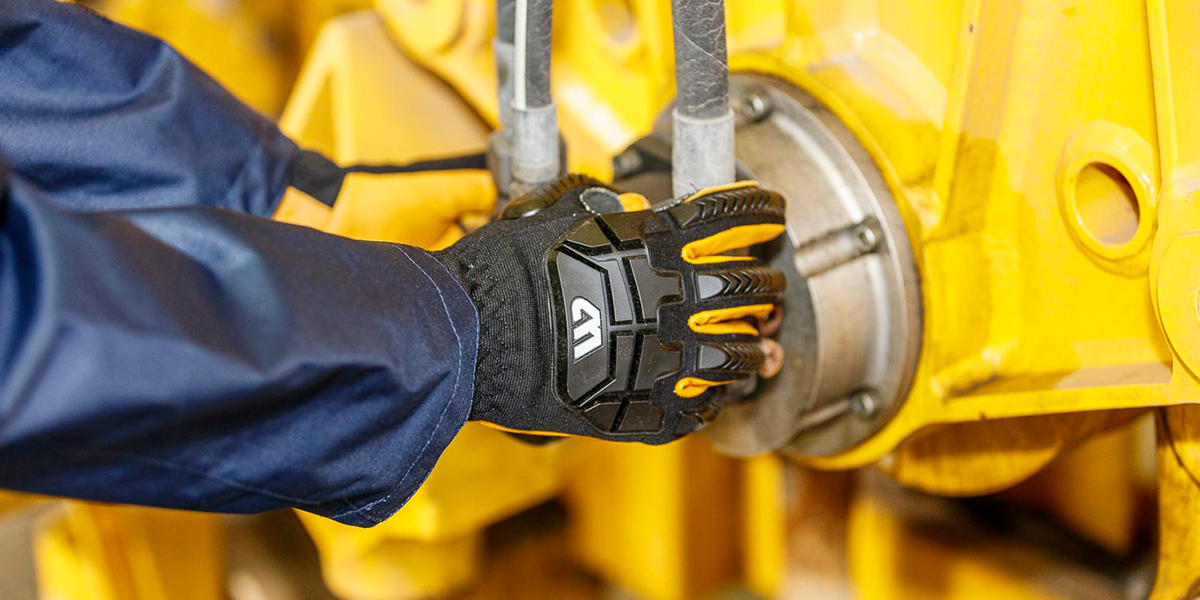
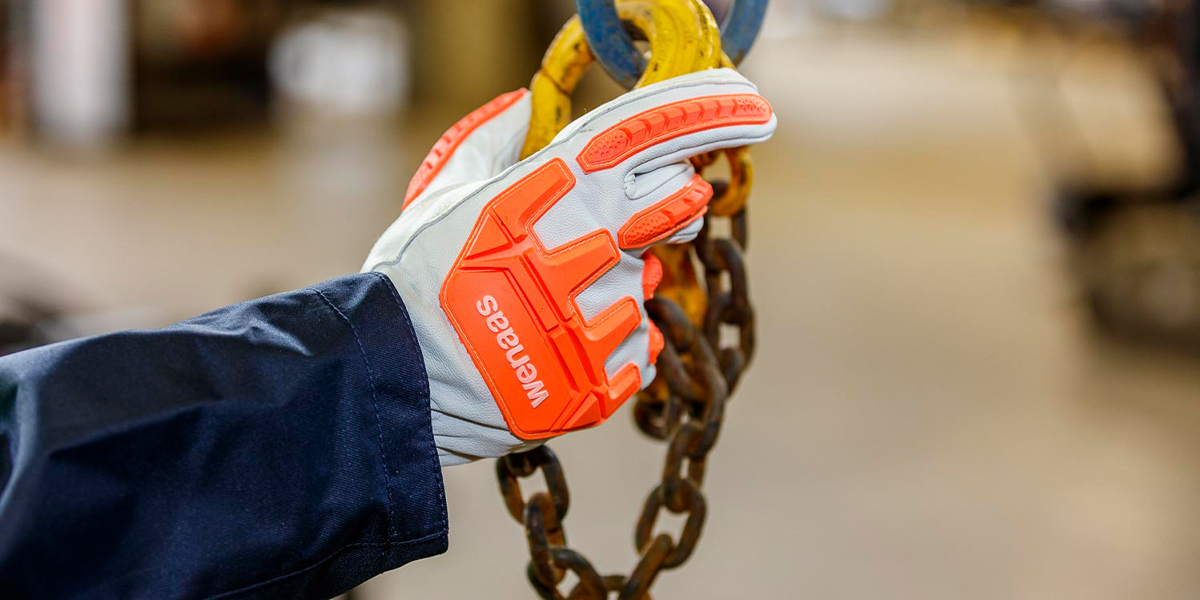
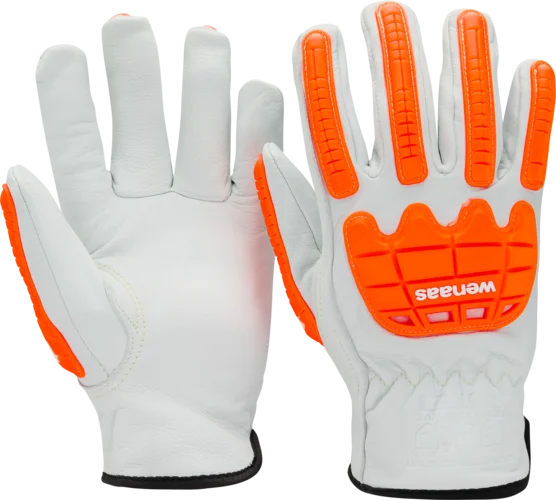
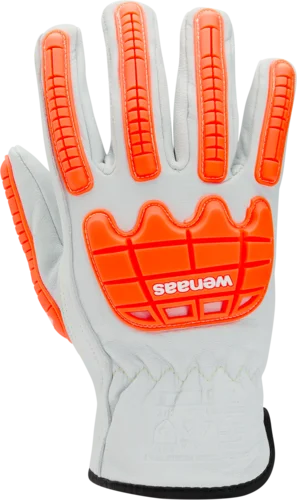
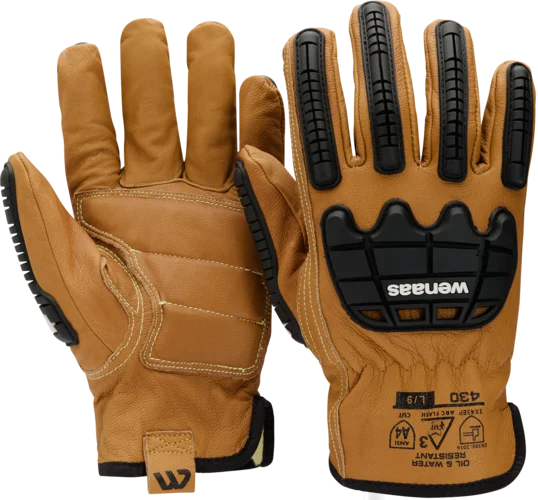
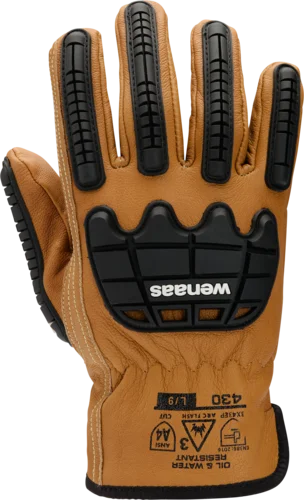
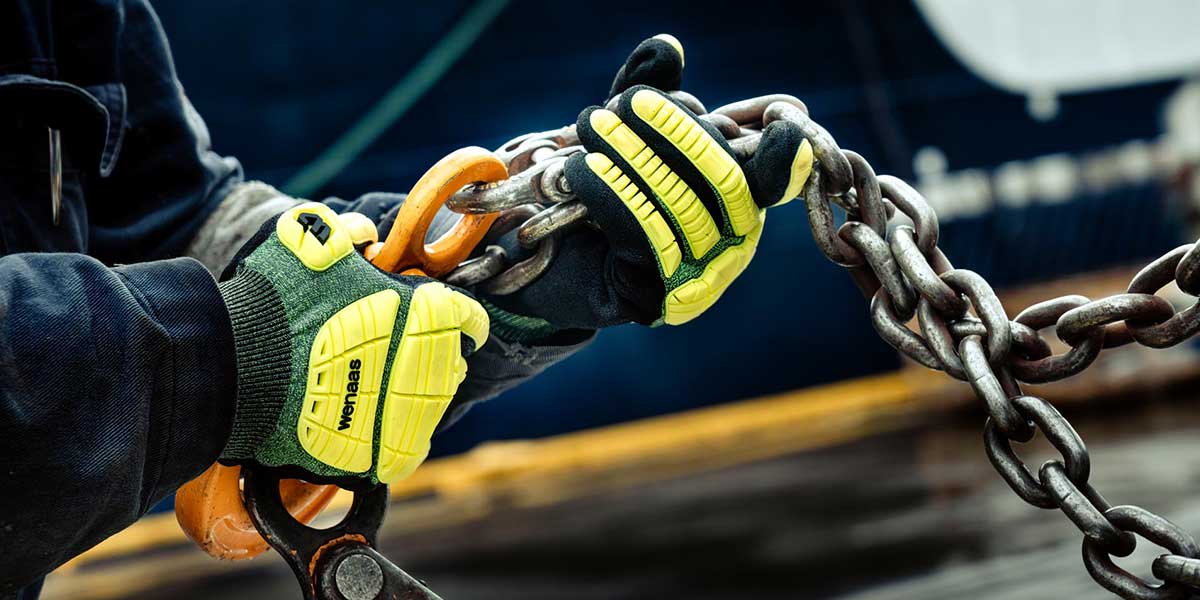
Impact-protective gloves are designed to protect the hands from crush and impact injuries, particularly to the knuckles and back of the hand, caused by heavy objects.
Impact-protective gloves are made from both textile and leather materials. The gloves may include additional features such as cut, chemical, heat, or cold protection, allowing them to withstand combined workplace risks.
These gloves are particularly well-suited for construction, offshore work, shipping, and heavy industry, where the risk of crushing injuries and the need for robustness are key factors.
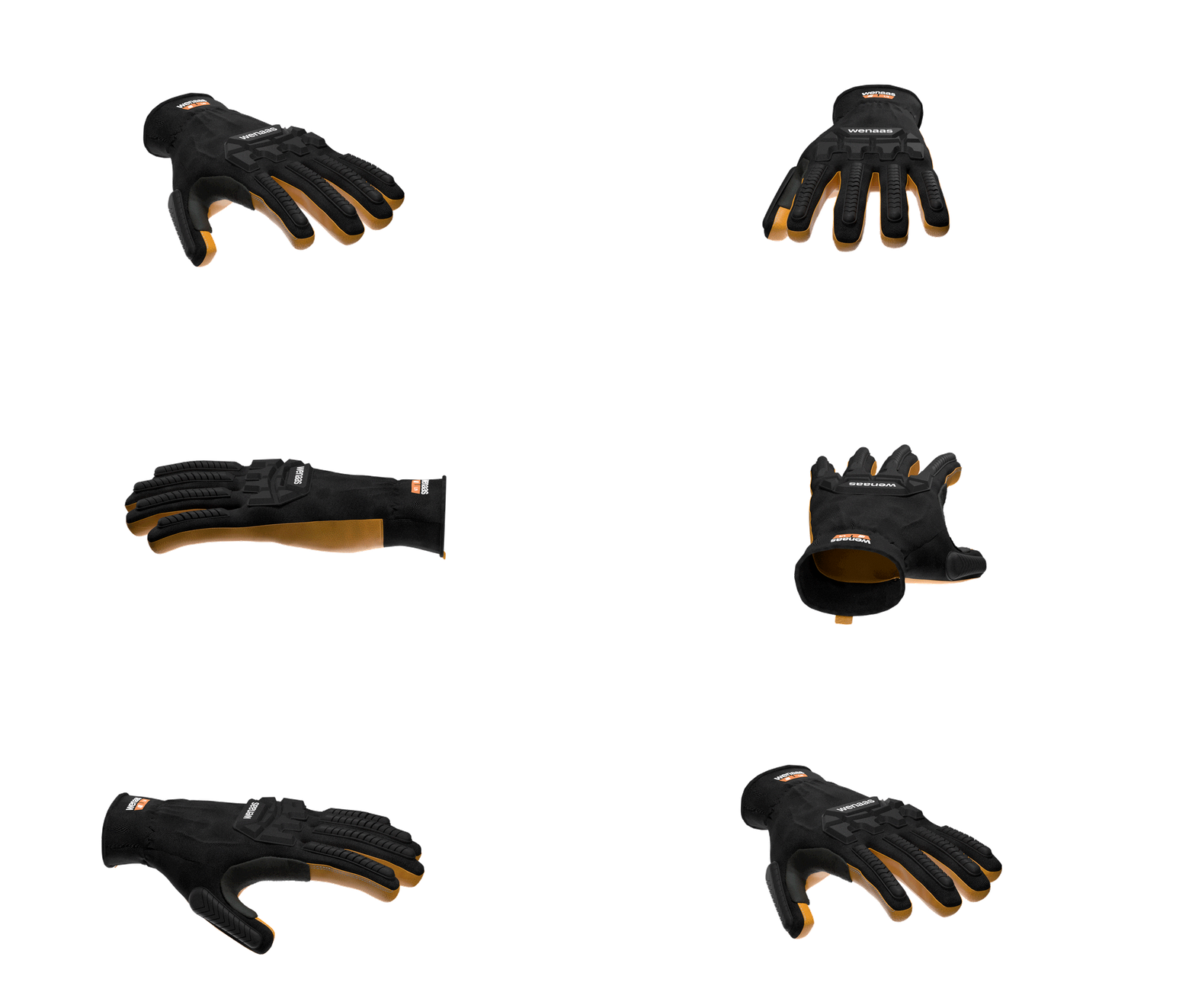
Example of impact glove.
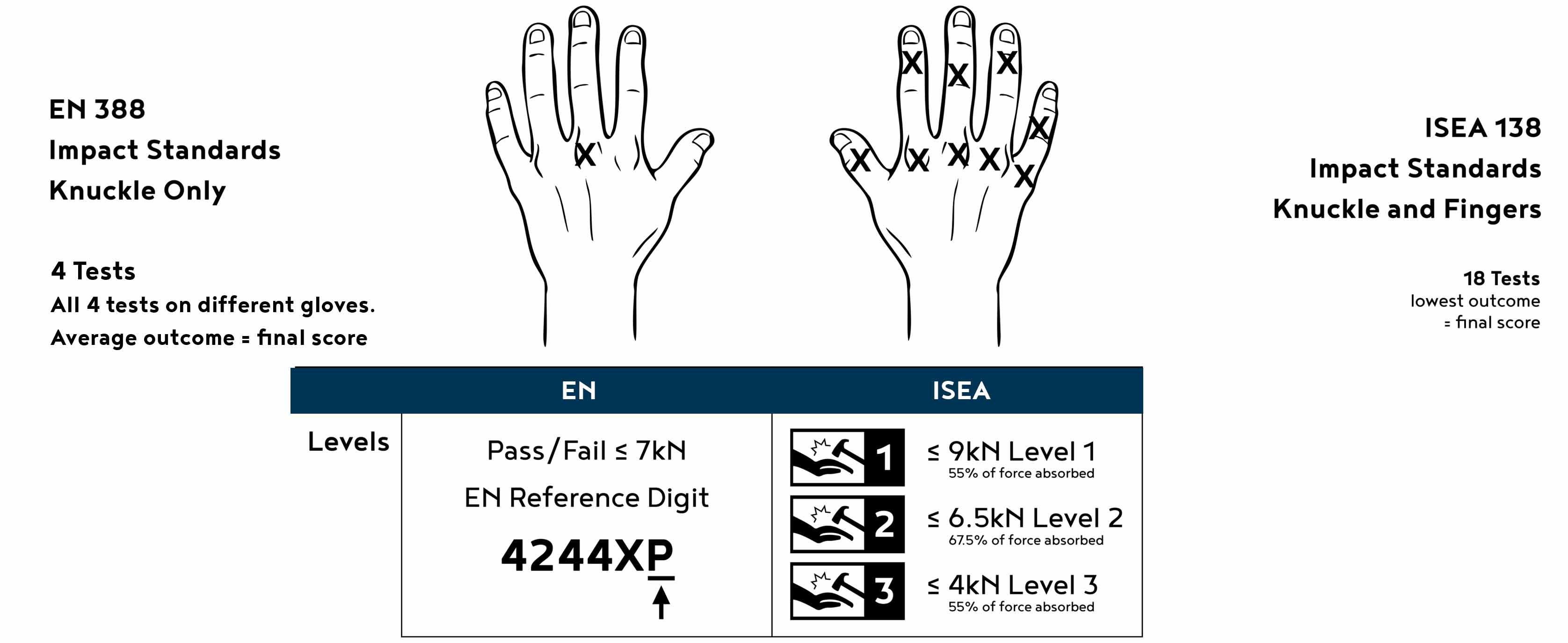
IMPACT TEST
EN STANDARDS = PASS / FAIL
ANSI ISA = SCALE OF APPROVAL LEVELS
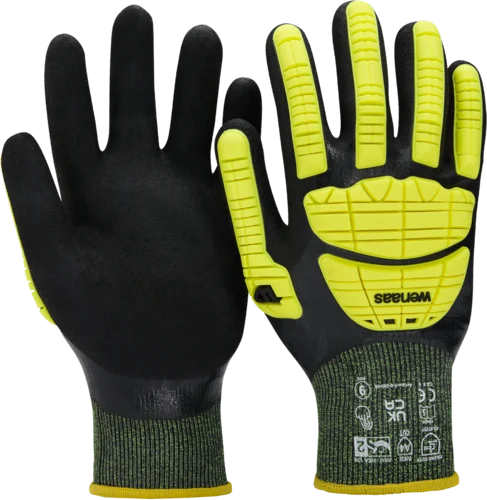
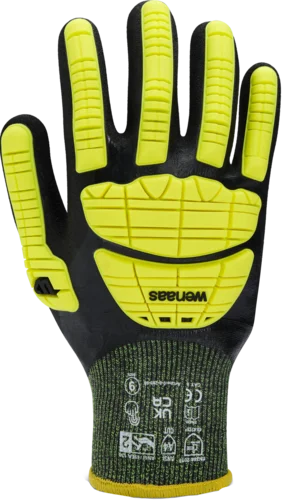
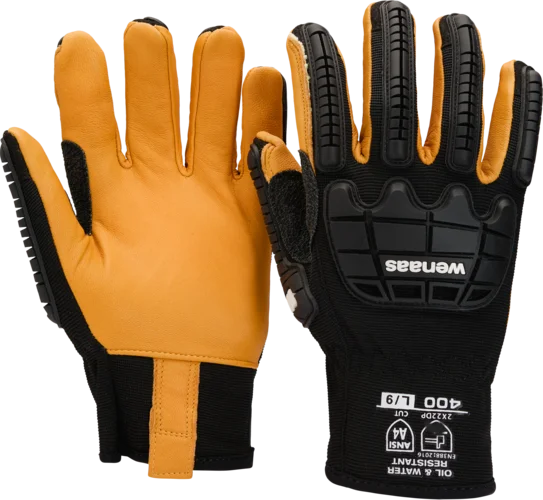
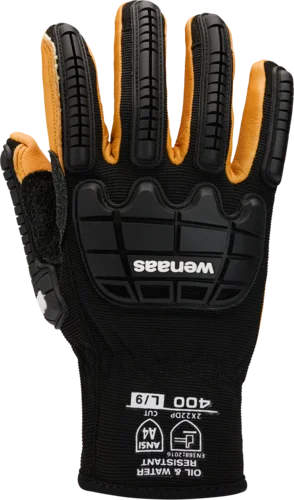
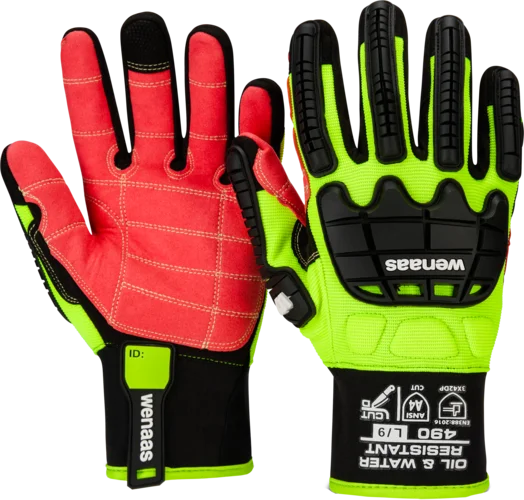
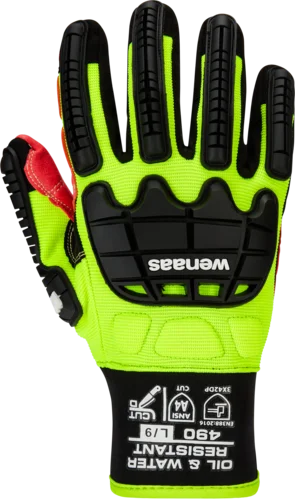
Work Glove Wenaas 400
Work Glove Wenaas 410
Cut Resistant Gloves
Work gloves with a close fit, high durability, and cut protection — preferably made from a knitted material containing fiberglass.
- Close fit and high durability
- Cut protection
- Suitable for all types of assembly work and various industrial applications
- All-round category suitable for many uses
Ideal for industries with high requirements for durability and cut protection, such as technical trades, electricians, and assembly work, among others.
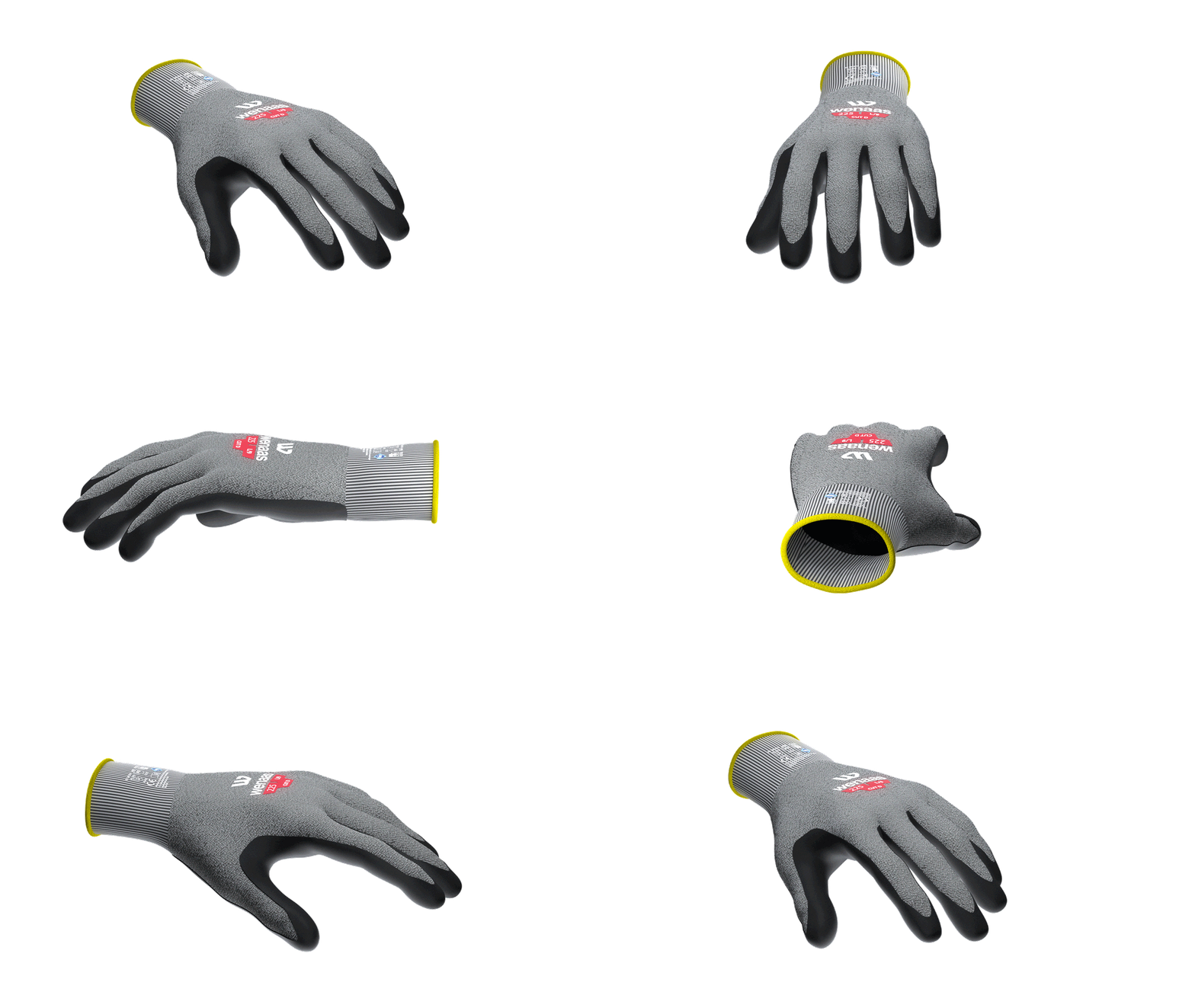
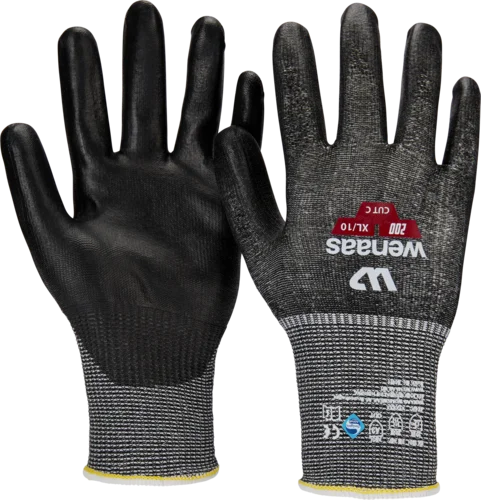
Example of cut resistant glove.
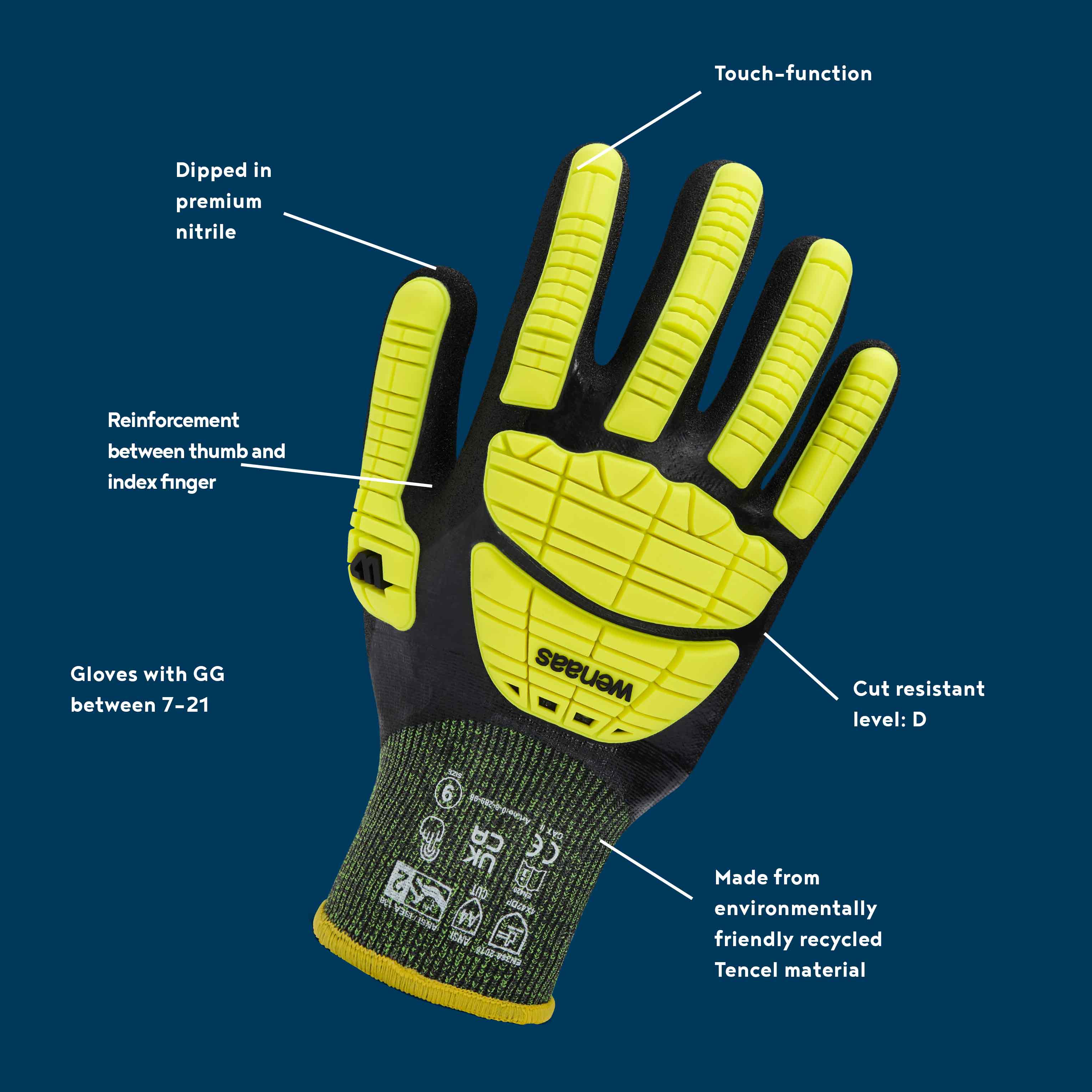
Cut resistant glove with impact.
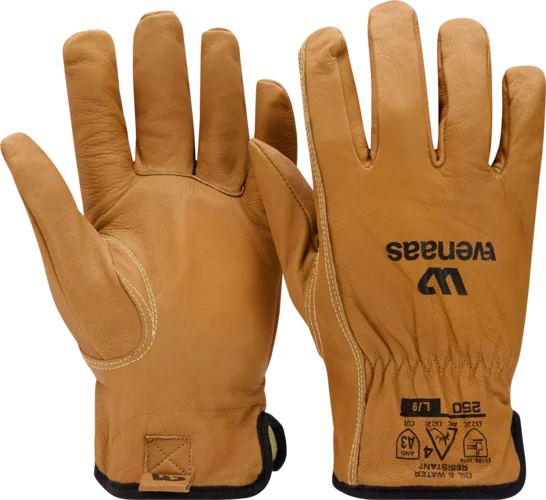
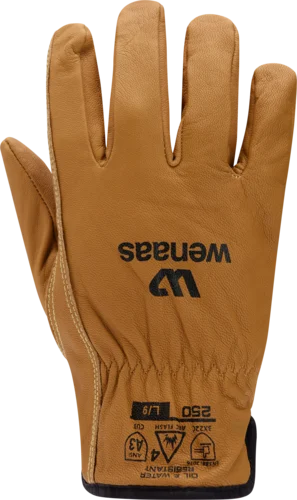
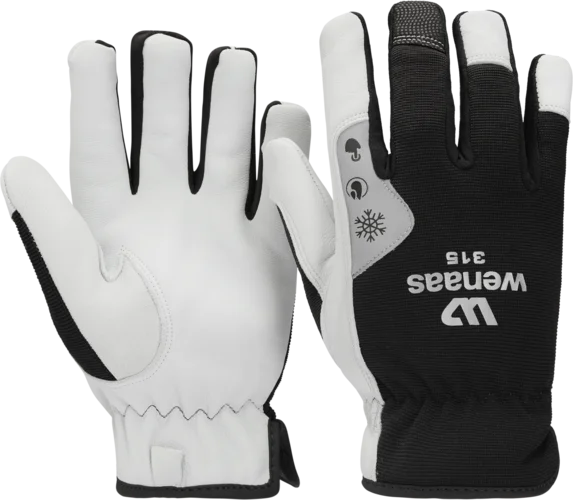
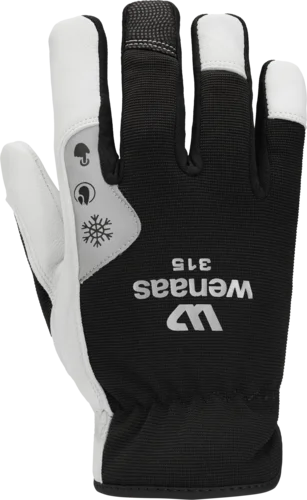
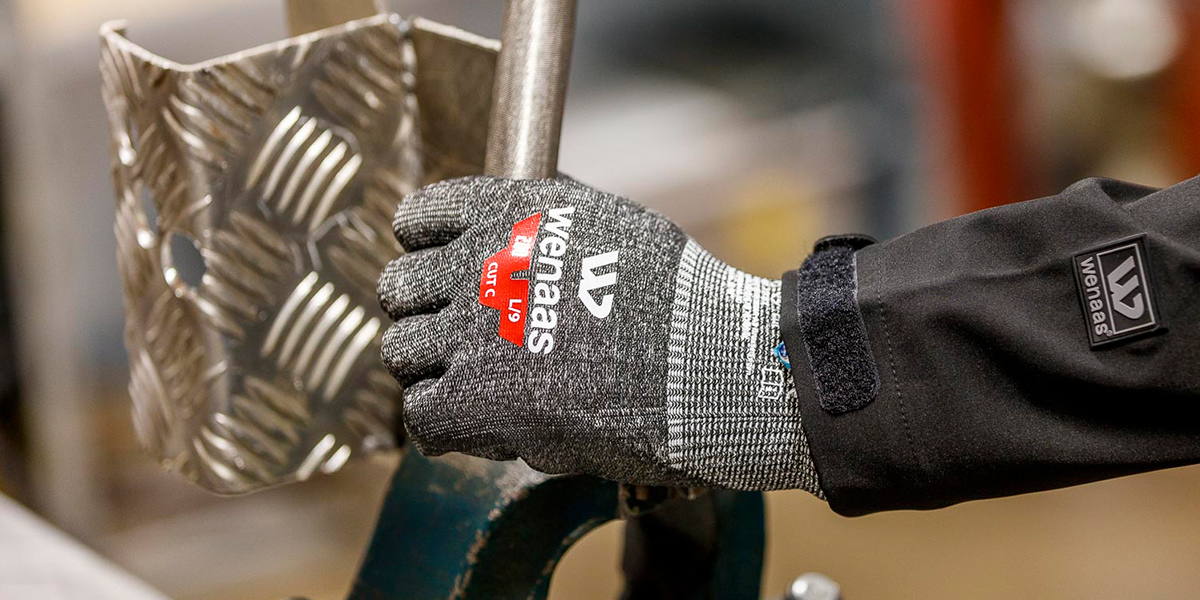
Work Glove Wenaas 200
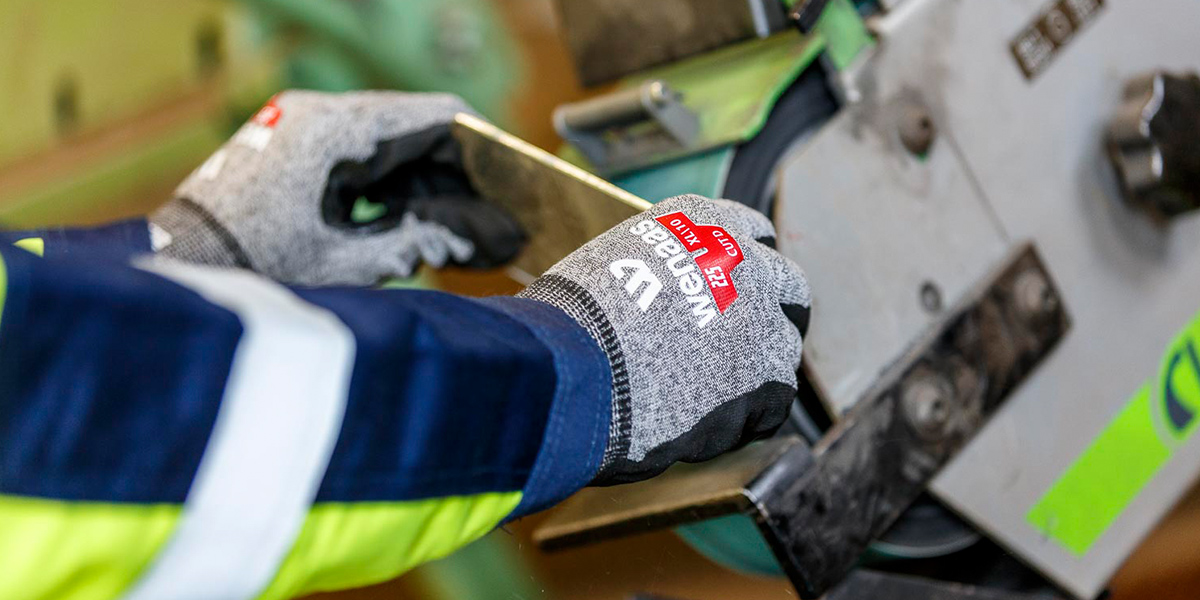
Work Glove Wenaas 225
Work Glove Wenaas 299
TENCEL™ LYOCELL by Lenzing AG
One of the best sustainable alternatives to cotton is TENCEL™ Lyocell. TENCEL™ Lyocell fibers are derived from wood, a raw material sourced from controlled and certified forests. These cellulose fibers are of botanical origin and are produced in a unique closed-loop process that minimizes environmental impact — a process that recycles water and 99.8% of the solvent used in production. The water consumption for producing TENCEL™ Lyocell fibers is 46 L/kg, compared to 994 L/kg for conventional cotton production.
The fibers have high technical performance, efficiently absorb moisture, and are gentle and soft against the skin. Not only do they absorb 50% more moisture than cotton fibers, but the moisture also evaporates faster, helping you feel cooler and drier. Garments made with TENCEL™ Lyocell fibers retain their color even after many industrial washes — a major advantage for maintaining long-lasting color vibrancy.
That’s why we believe TENCEL™ branded fibers perfectly align with our sustainability standards while also enhancing the protective and comfort qualities of our products.
TENCEL™ Lyocell Glove
Work gloves with arc flash protection
Work gloves with arc flash protection can withstand the extreme temperatures and pressure associated with electrical voltage.
- Arc flash protection
- Withstands extreme temperature and pressure
- Specially designed for high-voltage and electrical work
The gloves are particularly suitable for electricians, line workers, and others working with high-voltage installations, transformers, and electrical systems.
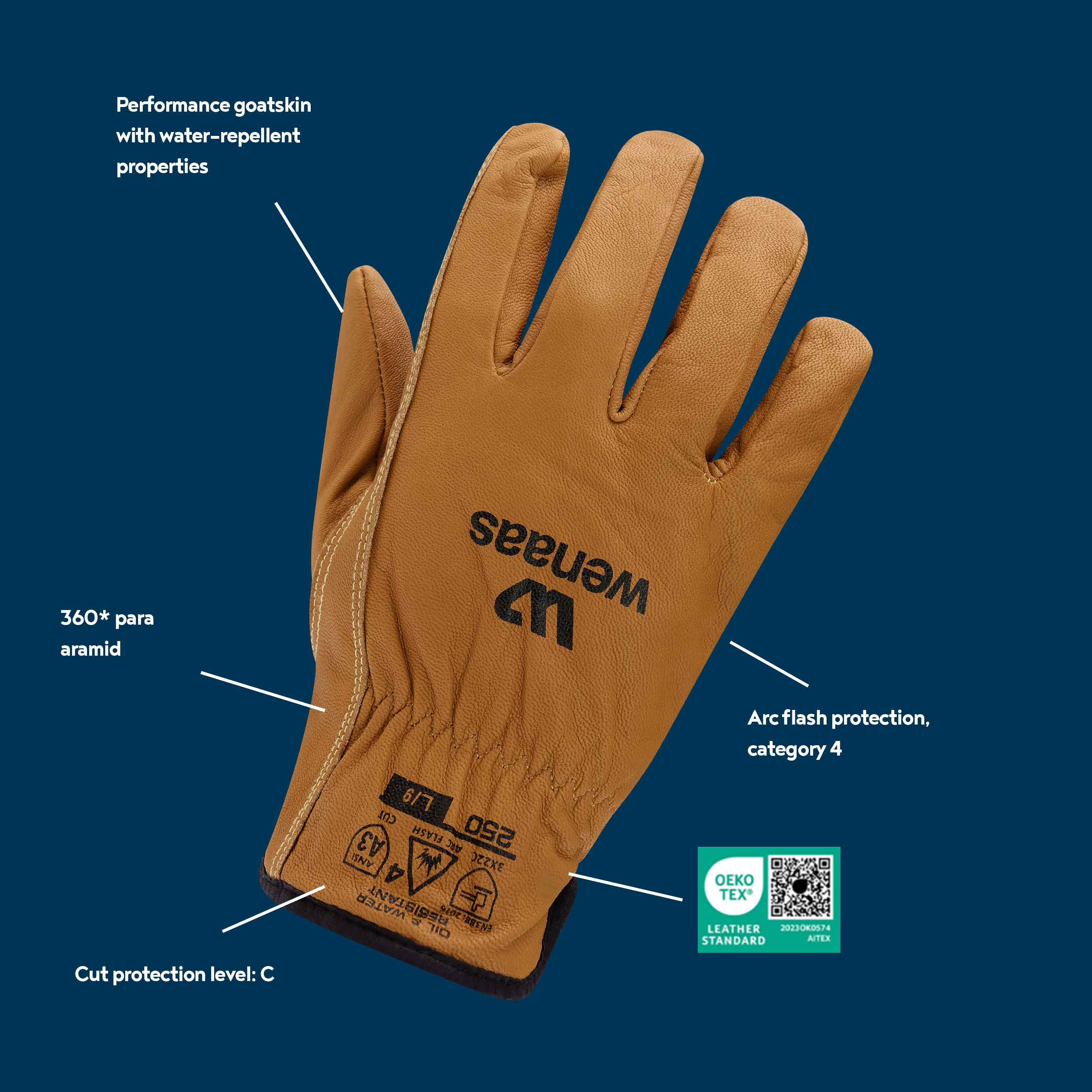
Kutthanske med lysbuebeskyttelse.e with arc protection.
Categories help ensure the correct level of protection against arc flash exposure.
Arc flash protection is measured by the material’s ability to resist heat transfer from an arc flash, expressed as ATPV (cal/cm²). ATPV indicates the energy level that penetrates the material — the higher the ATPV value, the better the protection.
Arc flash categories (1–4) define minimum protection levels based on the NFPA 70E standard (safety in electrical work).
The categories within arc flash protection refer to the levels of protection required in work situations with a high risk of arc flashes. These categories are defined according to the NFPA 70E standard, which is an American standard for electrical safety in the workplace. Each category requires a minimum level of arc flash protection, measured in calories per square centimeter (cal/cm²), to reduce the risk of burns.
The test method determines the glove’s level of protection against electric arc by measuring the amount of heat energy transferred through the tested gloves during and after exposure to an electric arc. The arc thermal performance value (ATPV, cal/cm²) represents the amount of energy that penetrates the glove/material, resulting in a 50% probability of sufficient heat transfer through the glove to cause the onset of a second-degree burn. The higher the ATPV value achieved in testing, the greater the level of protection the glove provides against arc exposure.
Gloves with arc flash protection can significantly reduce injuries in the event of exposure to an electric arc, but they do not eliminate the risk entirely. The level of protection may be reduced if the gloves come into contact with substances such as gasoline, diesel, oil, sweat, dirt, grease, or other contaminants.Before use, the wearer is responsible for implementing appropriate safety, health, and environmental measures, and for complying with all relevant workplace regulations. The standard currently does not have a pictogram, but the ATPV level is indicated on the glove label.
Category 1
1. Low risk.
2. Protection against energy levels up to 4 cal/cm².
3. Basic arc-rated clothing and gloves, such as a long-sleeved shirt and trousers.
Category 2
1. Moderate risk.
2. Protection against energy levels up to 8 cal/cm².
3. More durable arc-rated protective equipment, including stronger gloves.
Category 3
1. High risk.
2. Protection against energy levels up to 25 cal/cm².
3. Requires heavy-duty arc-rated clothing and fully protective gloves.
Category 4
1. Extreme risk.
2. Protection against energy levels up to 40 cal/cm².
3. Full body protection, including a hood, face shield, and heat-resistant gloves.
Winter Gloves
Wenaas 300-collection
Ideal for use in construction, transport, warehousing, assembly, fisheries, shipping, forestry, and shipyard industries — essentially any job that requires a warmer type of work glove.
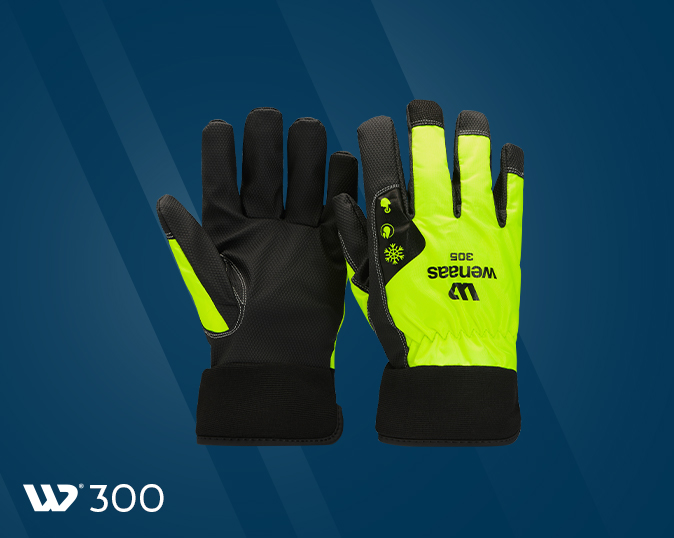
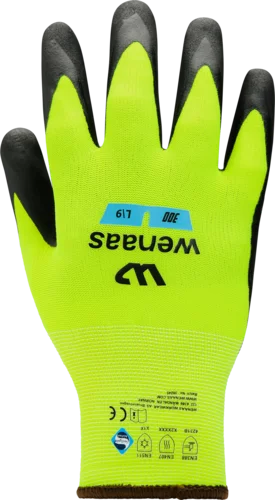
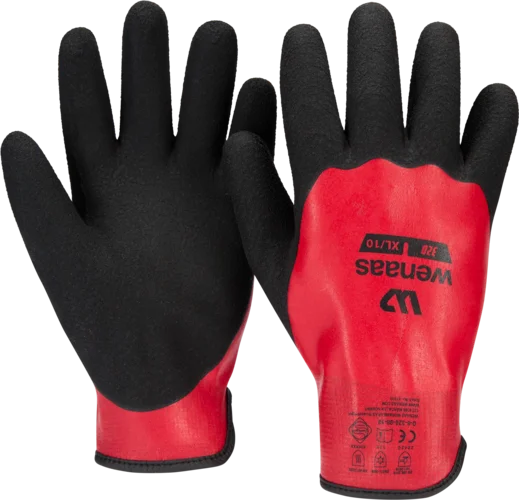
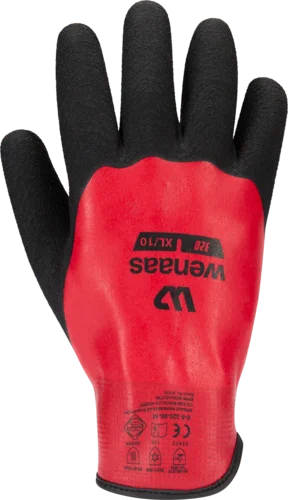
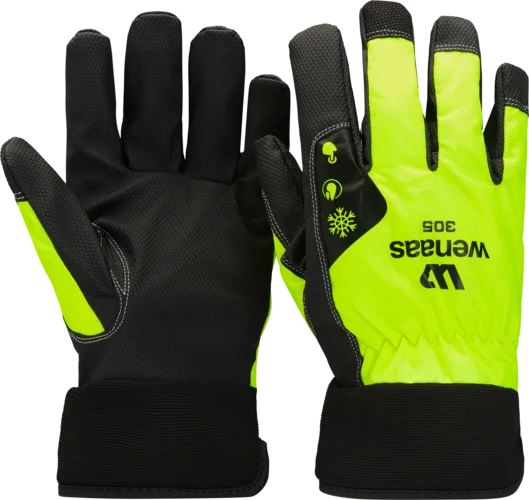
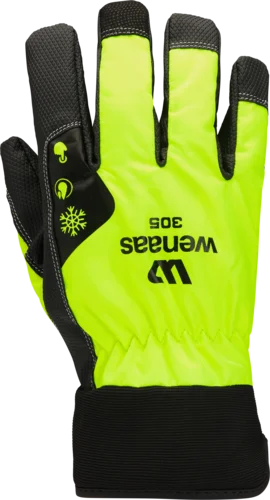
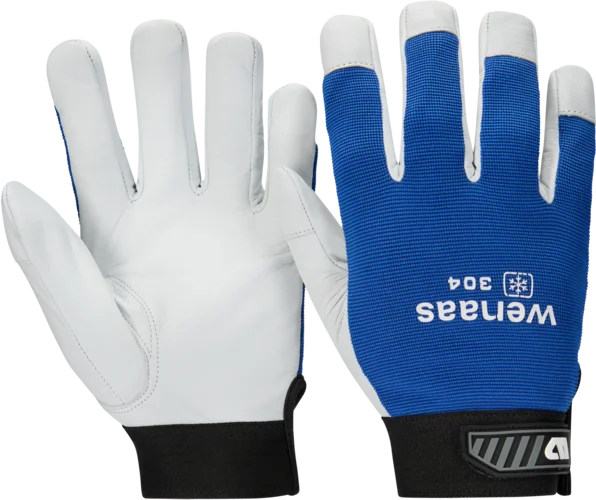
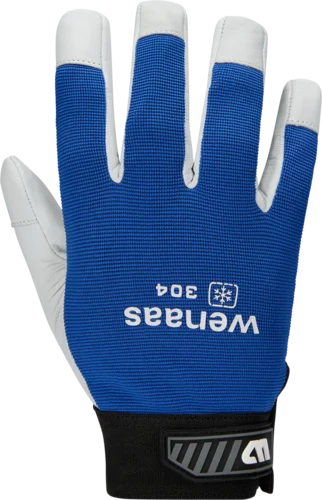
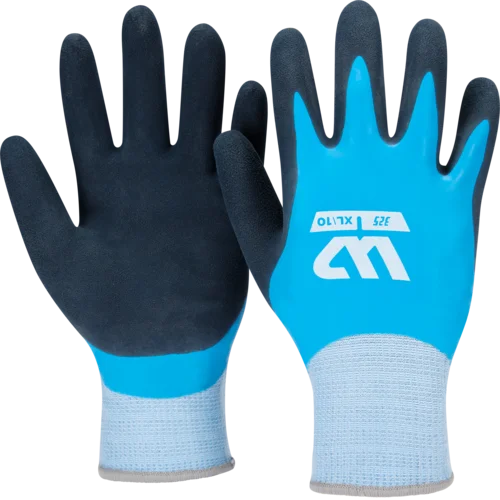
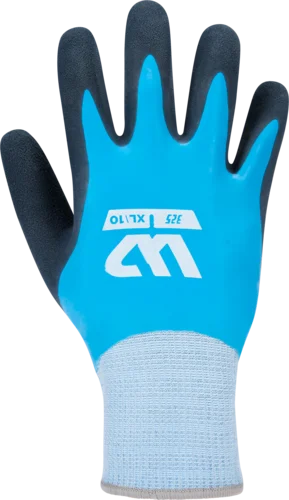
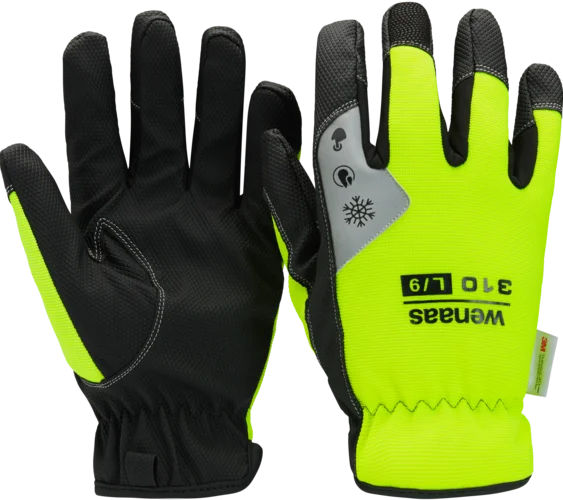
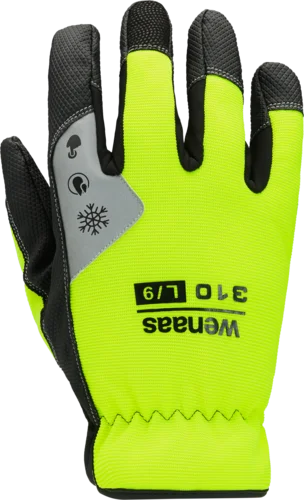
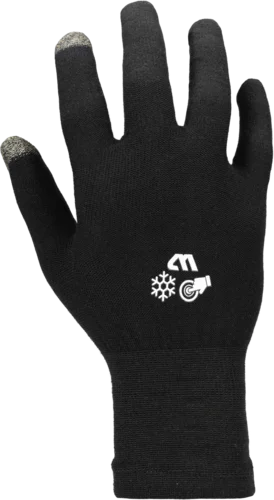
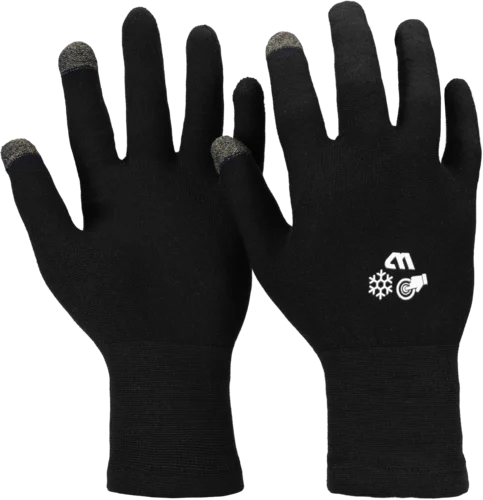
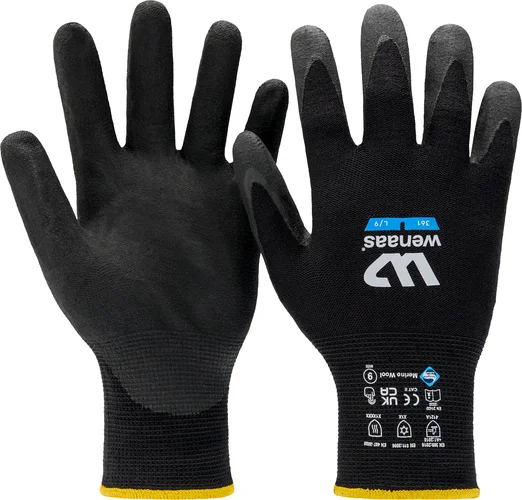
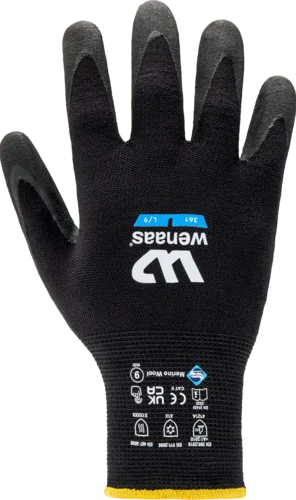
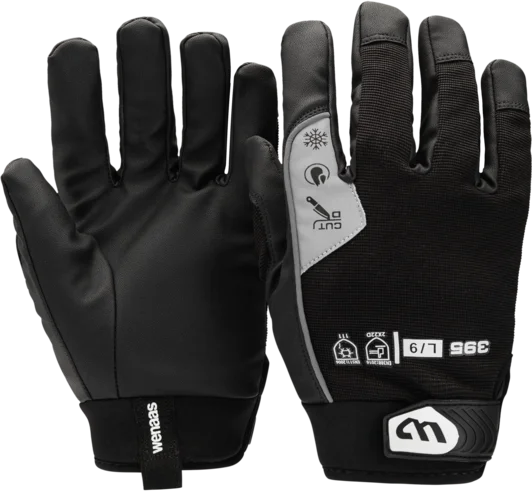
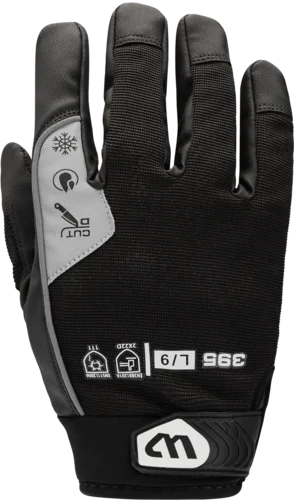
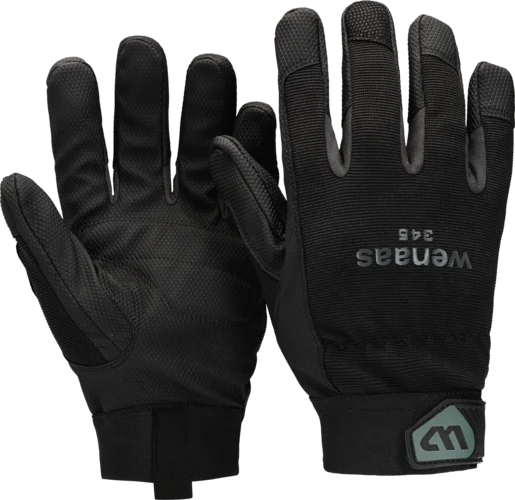
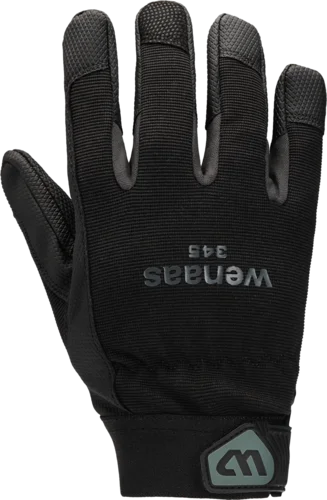
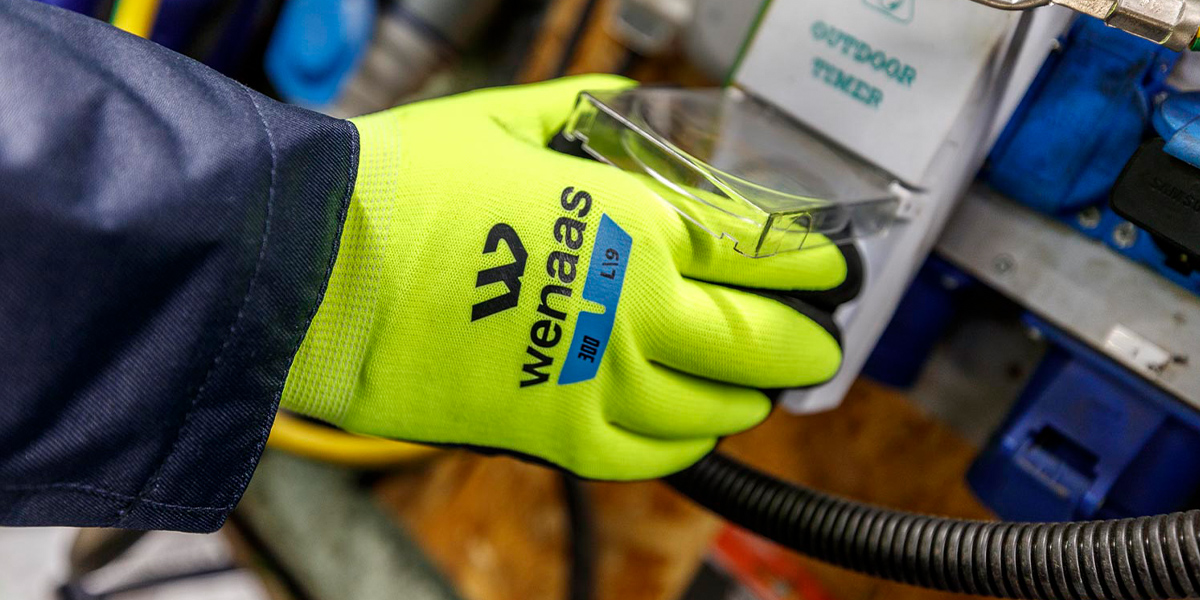
Winter Glove Wenaas 300
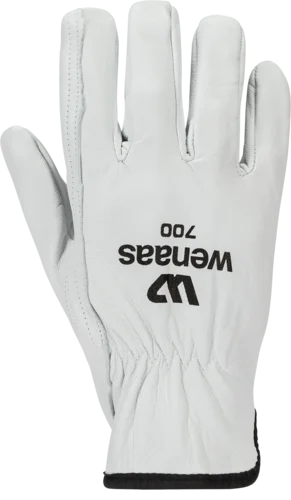
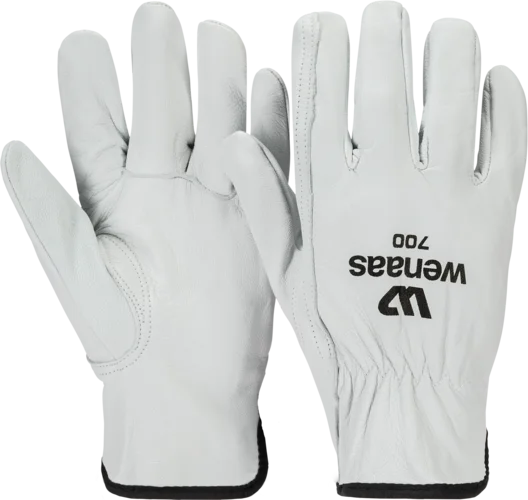
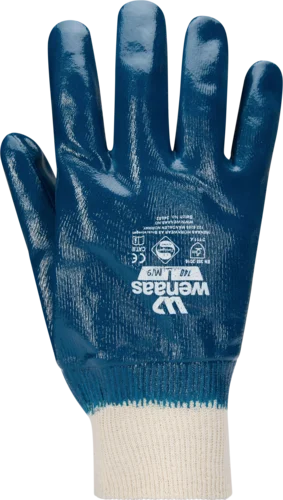
General Work Gloves
Wenaas 700-collection
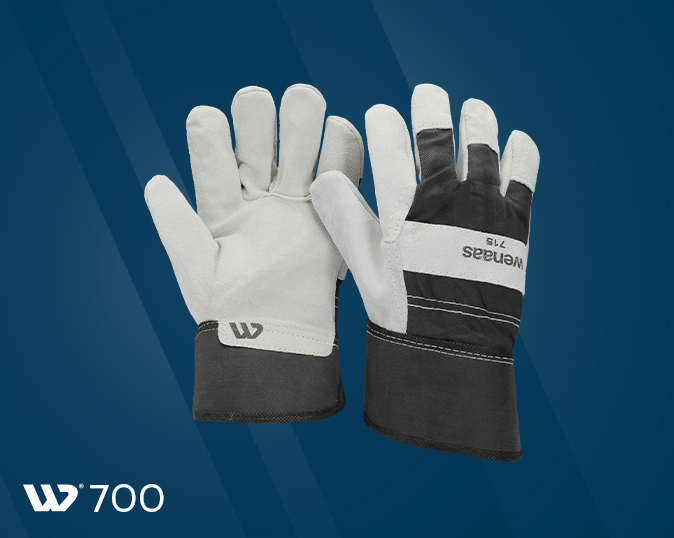
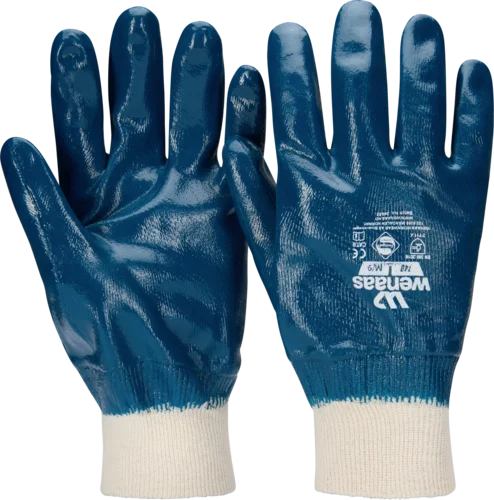
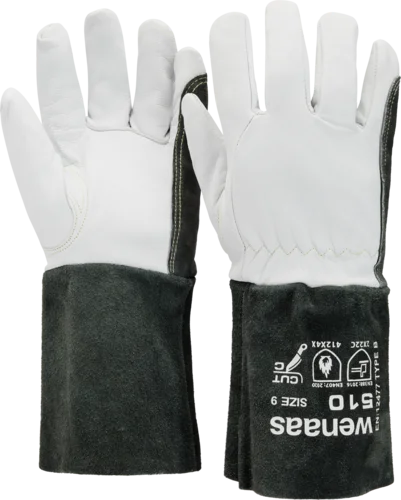
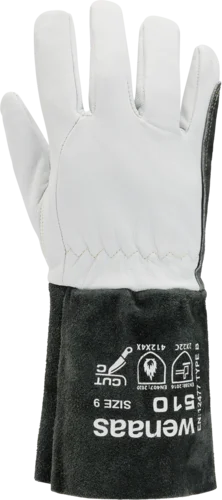
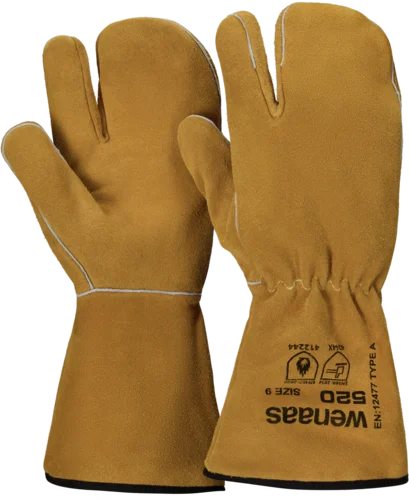
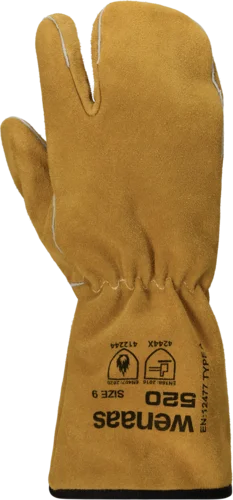
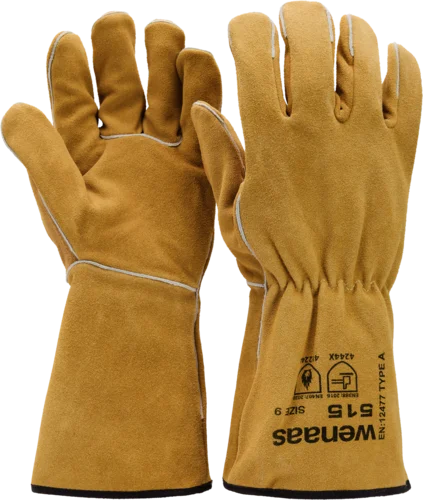
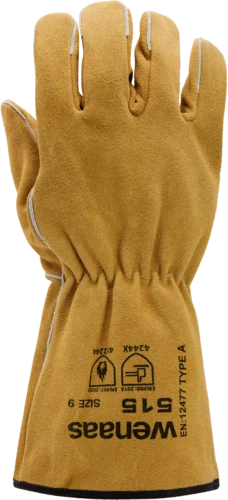
Welding and Heat-Resistant Gloves
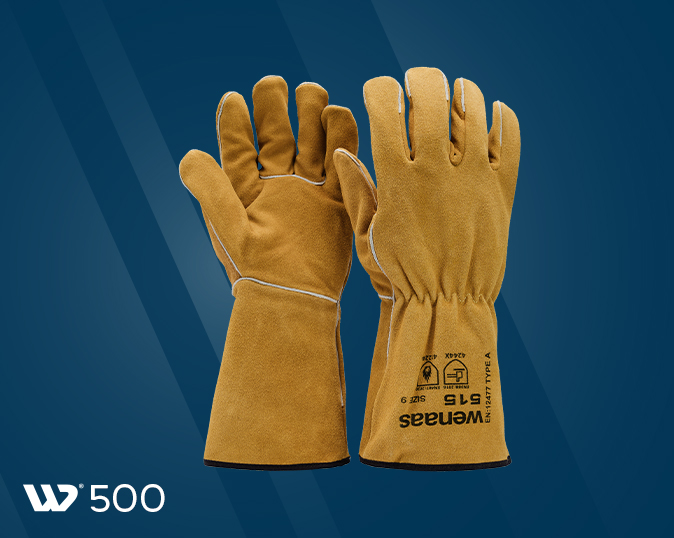
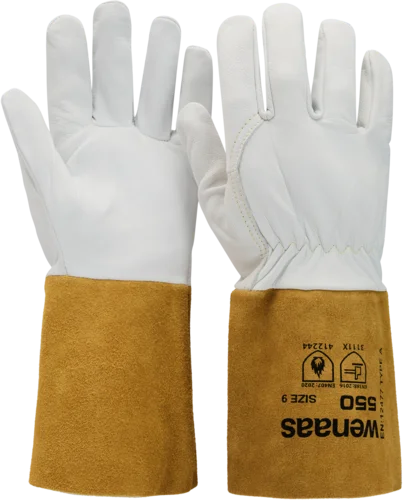
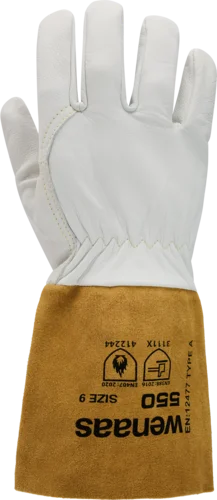
Wenaas 500-collection
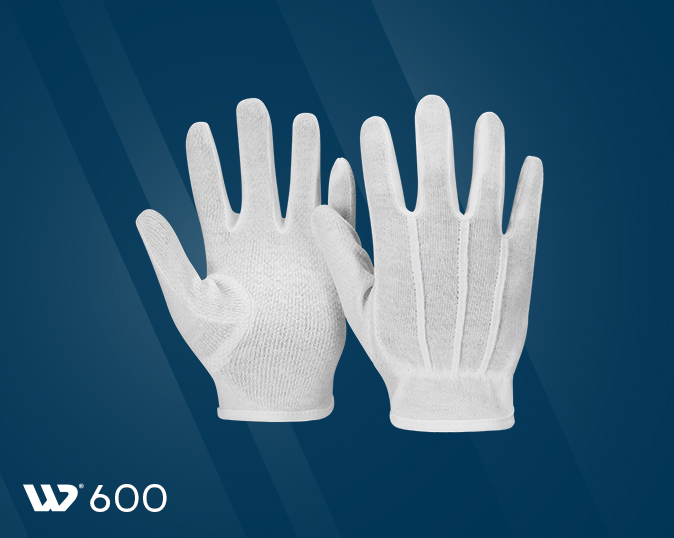
Textile Glove
Ideal as inner gloves for “all” industries and applications, but are often used under chemical protective gloves.
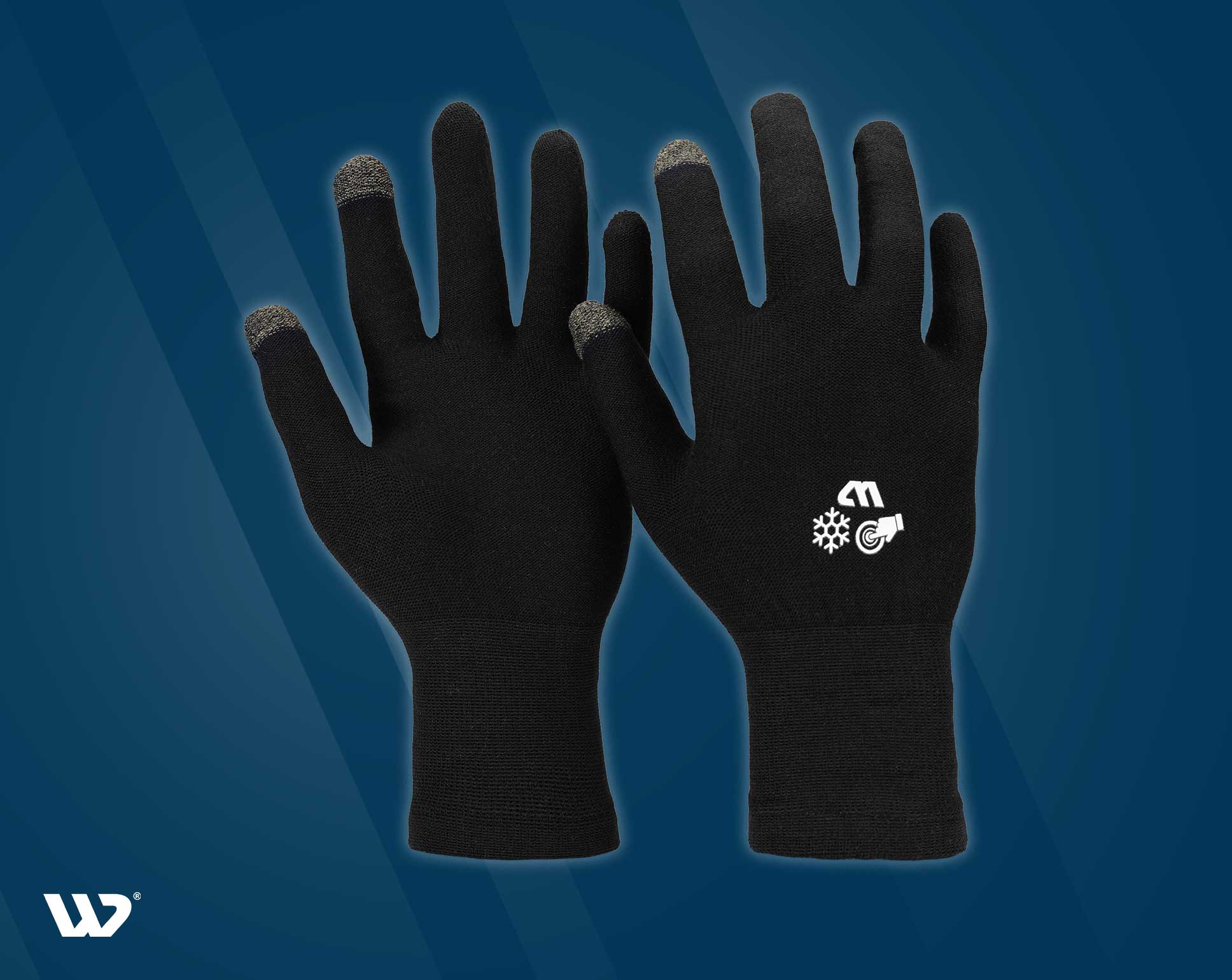
Natural warmth and comfort with merino wool!
Winter gloves made from merino wool provide natural warmth and breathability while keeping your hands dry – from lightweight liner gloves to durable models with cut protection. Comfort and protection, no matter the task.
Merino wool is at the core of our three new winter gloves – whether you need a thin and flexible liner glove, a precise assembly glove, or a robust glove with advanced cut resistance and ESD protection.
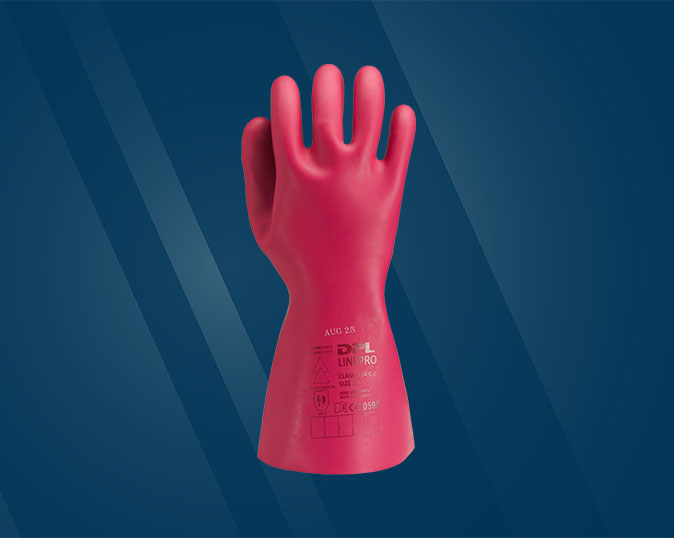
Work gloves with special protection
Suitable for specialized industries, such as those exposed to electrical hazards.
Certifications that underline our commitment to quality, health, and the environment
Through recognized approvals and certifications, we demonstrate that we take responsibility – not only for the products we deliver, but also for the people who use them and the environment we all share. The certifications document our dedicated work toward sustainable solutions and a strong focus on safety at every stage.
The certification is a strong recognition of our commitment to quality, safety, and health. You can be confident that our gloves are made without harmful chemicals.
OEKO-TEX® STANDARD 100 - for textiles
OEKO-TEX® Standard 100 is an international certification for textiles that guarantees the product has been tested for harmful substances and is safe to use. In short:It applies to all textile-related products – from raw materials to finished goods.
The products are tested for more than 100 different substances that may be harmful to health, including heavy metals, formaldehyde, and pesticides. The closer the product is intended to be in contact with the skin, the stricter the requirements. This provides assurance for both consumers and manufacturers that the textiles are safe for health and produced responsibly.
Sanitized® Gloves
Several of Wenaas’ close-fitting work gloves are Sanitized® treated. This means they are permanently treated to maintain the gloves’ safety and hygiene by eliminating or reducing the presence and growth of bacteria.

CE categories
Protective gloves that meet safety requirements are given a CE mark. Protective gloves are divided into three categories.
Categories 1 – Minimal risks
Protects against minor risks. The manufacturer is responsible for ensuring that the product meets the requirements and guarantees the CE marking.
Categories 2 – Intermediate risks
Meets basic requirements as well as additional standards for specific applications. Must be tested in an approved laboratory and type-approved by a notified body that issues a certificate.
Categories 3 – Serious risks
Includes exclusive protection against risks that can cause very serious consequences, such as death or permanent health damage. The gloves must be tested by an approved laboratory and type-approved by a notified body. In addition, an annual inspection of the production process is required, and the product must be thoroughly checked to ensure consistent quality. The ID code of the authorized body (four digits) follows the CE mark, for example: CE 1234.
Glove thickness (Gauge)
Gauge refers to the glove’s thickness and indicates the number of stitches per inch.
10-gauge: Thick and durable, suitable for heavy-duty work.
13-gauge: Balanced durability and dexterity for general tasks.
15-gauge: Thinner, suitable for handling small parts.
18-gauge: Very dexterous, ideal for precision work.
21-gauge: Extremely thin, excellent for fine tasks.
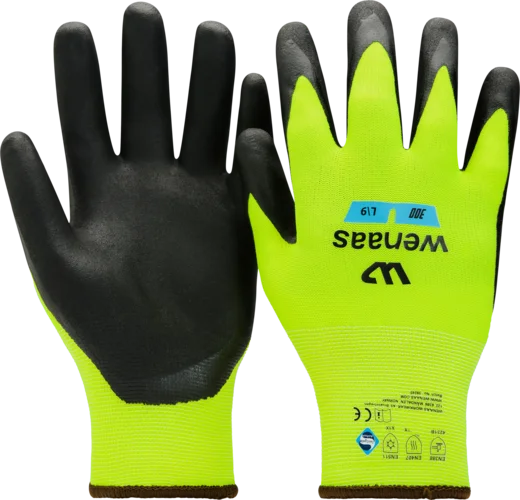
PU-dipped
- More flexible and elastic feel
- Used where fingertip sensitivity is most important
- PU microfoam is soft and resistant to water and lubricants
- Allows air to pass through, keeping hands dry
- Provides excellent grip, especially in dry environments
RECOMMENDED: For tasks that require optimal fingertip sensitivity and where the working environment is dry.
Nitrile-dipped
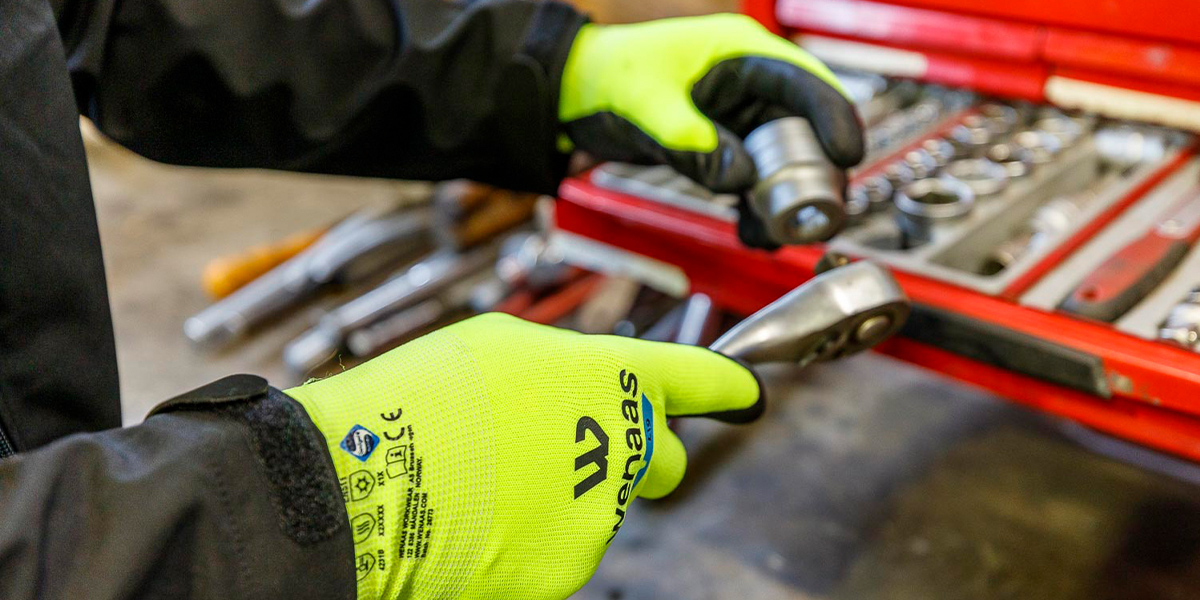
- Nitrile microfoam provides excellent grip in both dry and wet conditions.
- Also offers a strong grip in oily environments.
- Can be double-dipped to make the glove liquid- and oil-resistant.
- Withstands high temperatures.
- Highly durable with excellent tear resistance.
- Protects against bases, acids, solvents, lubricants, and animal fats.
RECOMMENDED: For those working in oily environments such as workshops, the automotive industry, or other mechanical industries.

The table shows the propperties of nitrile and PU coating.