
Offshore and Maritime Workwear
In the offshore and maritime industry, safety, functionality, and comfort are crucial. Proper workwear and personal protective equipment (PPE) safeguard workers in demanding environments, from engine rooms to deck and dock operations. Here are our recommendations for offshore workwear and shipping industry workwearto ensure both safety and efficiency.
Workwear for Tough Maritime Work
What are the key factors to consider when choosing offshore workwear and shipping industry workwear?
Clothing with freedom of movement
Stretch materials and ergonomic design for work positions that require flexibility.
Breathable and waterproof fabrics
The combination of weather protection and the ability to keep the body dry during long shifts.
Adapted to climate and environment
Winter clothing for work in northern regions and lightweight, breathable garments for tropical oceans.
Material selection for saltwater and moisture
Workwear made from materials that withstand corrosive environments, including saltwater and oil.
Reinforcement in high-wear areas
Use of Cordura or other durable fabrics on elbows, knees, and shoulders.
Maintenance tips
Remember to rinse workwear and PPE regularly to remove salt and extend lifespan.
Offshore workwear and shipping industry workwear: We supply workwear for industries with high safety requirements
Wenaas has always been an innovator in the industry, with a strong focus on workers' safety, needs, and comfort. This approach to direct innovation, combined with specialized expertise, has brought many new solutions and products to the market—an ideology and way of working that continues to define us at Wenaas.
In demanding work environments where safety is crucial for life and health, a risk analysis is essential as a starting point for selecting the right equipment for employees. What hazards are different workers exposed to, and what must be considered? We cannot conduct the assessment for you, but we can provide some tips on aspects that should be included in the risk evaluation.
Risk assessment in shipping,common hazards in offshore and maritime environments
- Slippery surfaces: Risk of falls.
- High risk of cuts and crush injuries during loading/unloading.
- Exposure to hot surfaces in engine rooms and generally hot working environments. Feel free to read our article on heat stress/heat stroke.
- Handling of chemicals and fuels.
- Harsh weather and low temperatures on deck.
Feel free to read more about workplace risk assessments here.
Standards particularly relevant for offshore workwear and shipping industry workwear
- EN ISO 20345: Requirements for safety footwear for slippery and oil-covered surfaces.
- EN 11612: Flame-resistant clothing, ideal for engine rooms and handling hot equipment.
- EN 343: Waterproof and breathable clothing for work in rain and sea spray.
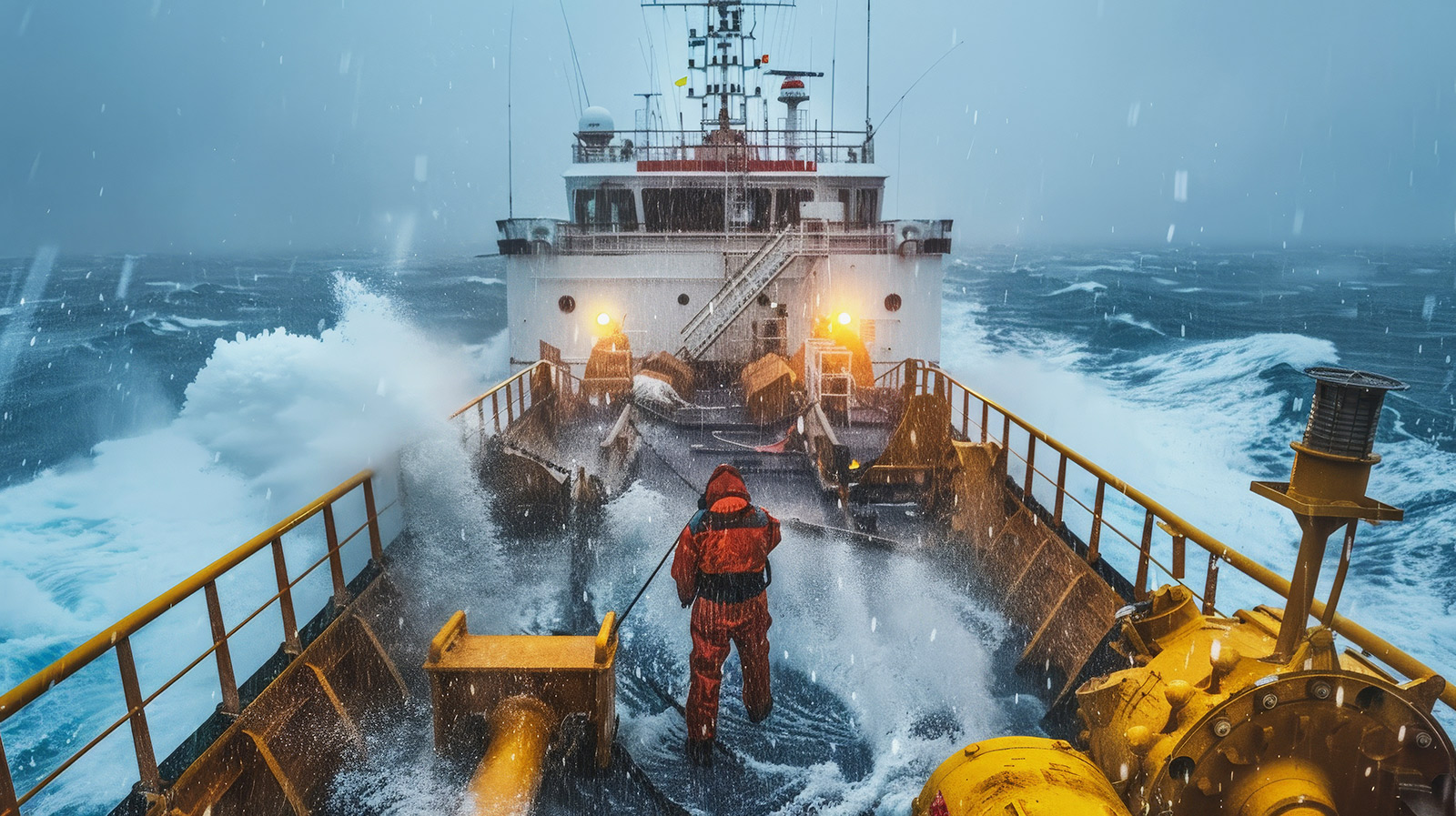
Workwear for long shifts and demanding conditions in the offshore and maritime industry.
The right offshore workwear and shipping industry workwear: We supply workwear for industries with high safety requirements and PPE are essential for handling the demanding conditions in the shipping industry. With long shifts, changing weather, and diverse tasks, it is crucial that clothing and equipment provide both protection and high comfort. Below are our recommendations for offshore workwear and shipping industry workwear.
MarinerGuard
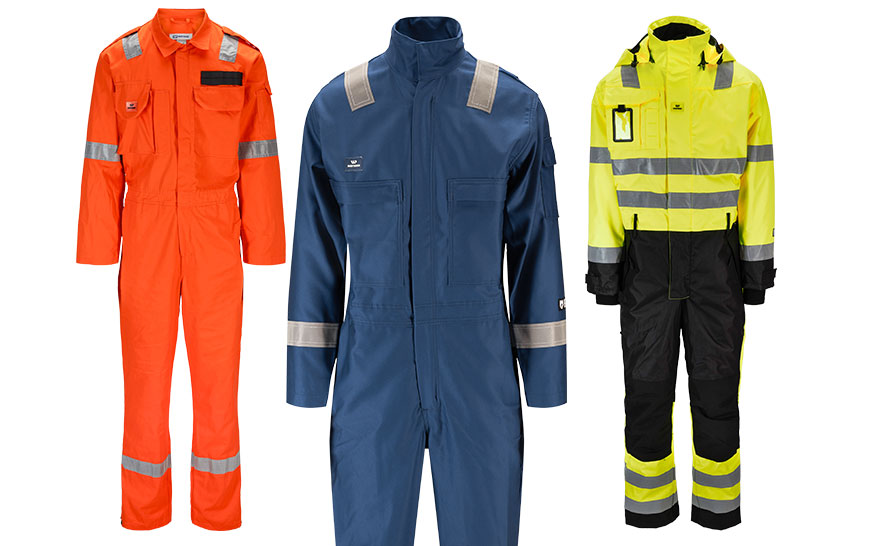
Discover Marinerguard, a new and improved collection designed for demanding maritime and offshore environments. With a modern cut and improved fit, these garments provide optimal comfort and freedom of movement.
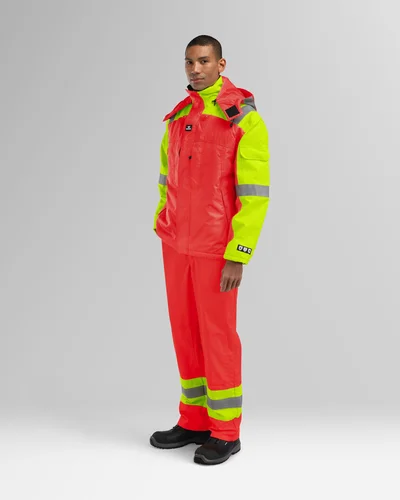
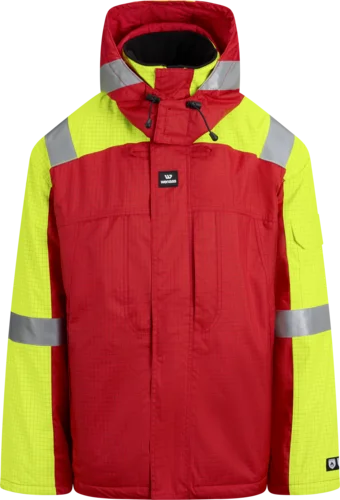
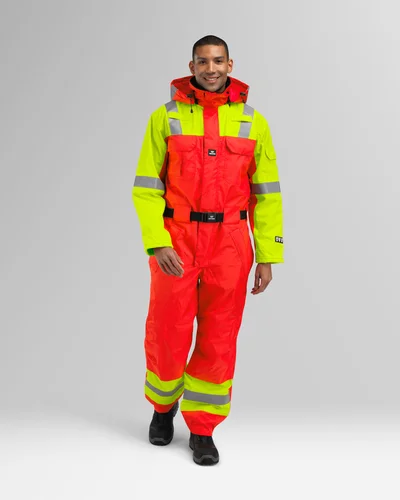
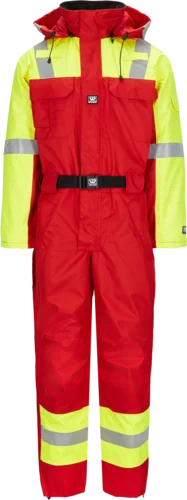
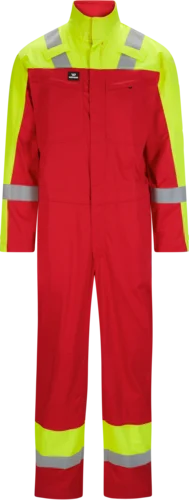
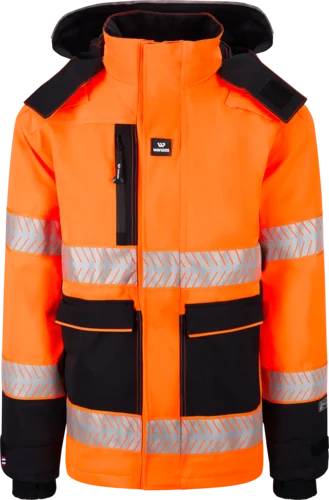
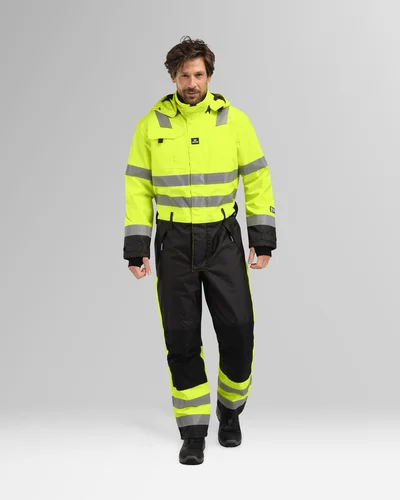
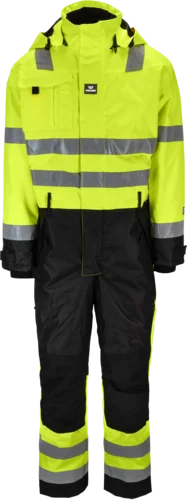
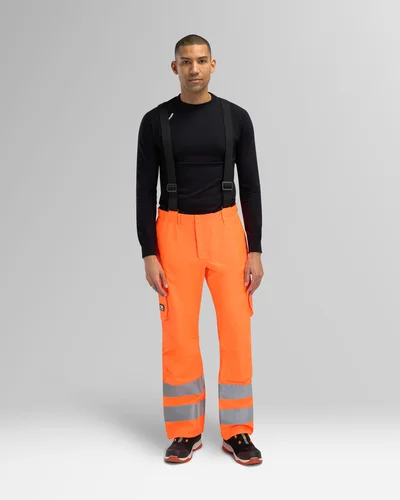
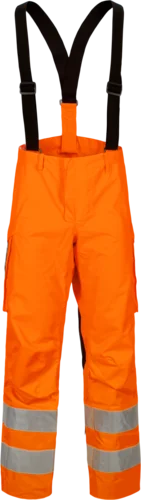
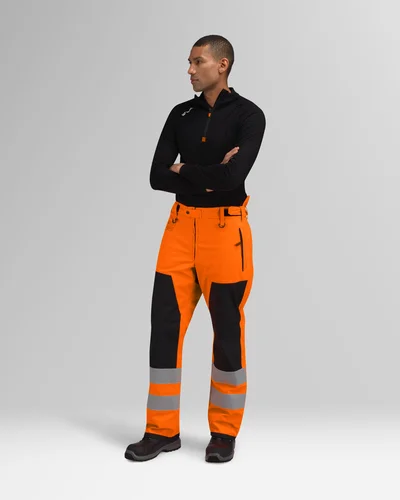
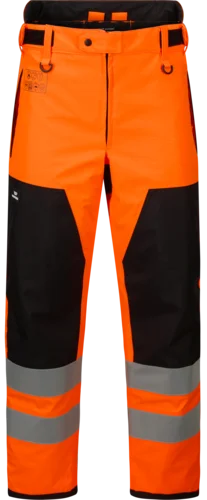
Waterproof overalls, jackets, and trousers
Designed to protect against rain, sea spray, and wind. Our garments with EN 343 certification ensure both waterproofing and breathability, making them ideal for extended use on deck in all weather conditions, for offshore workwear and shipping industry workwear
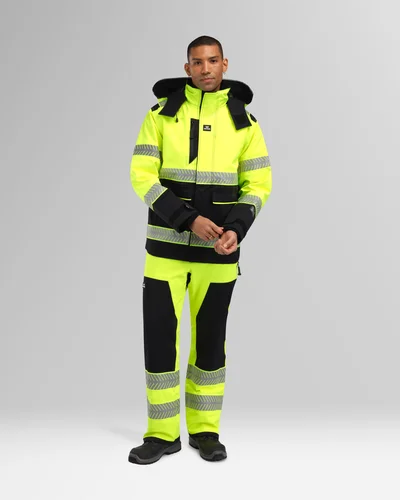
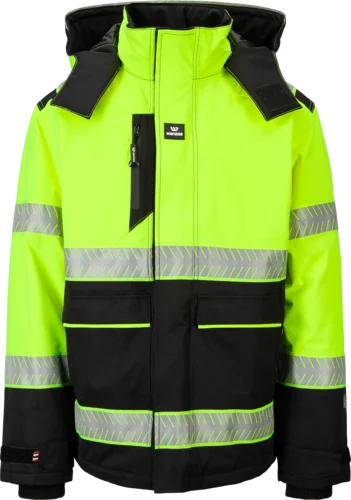
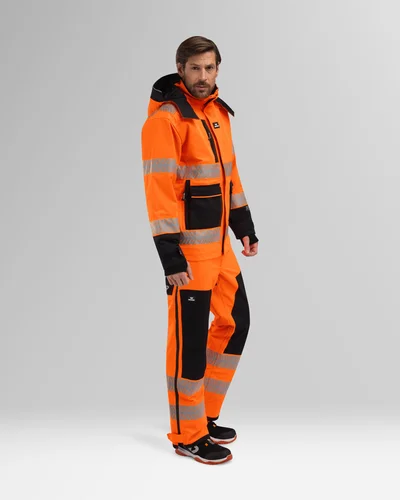
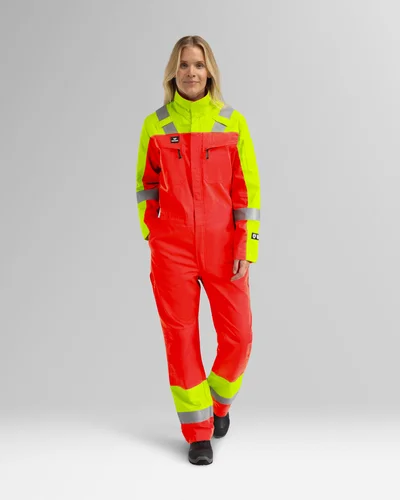
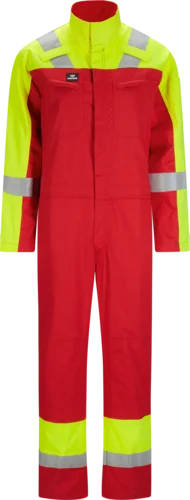
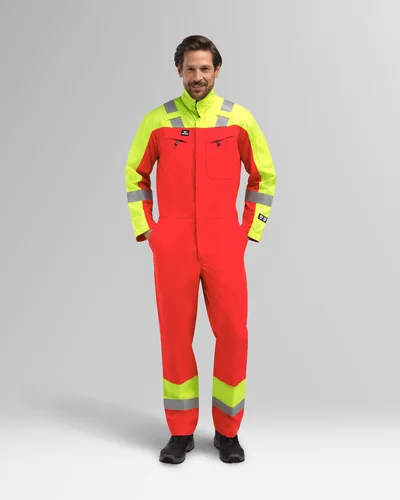
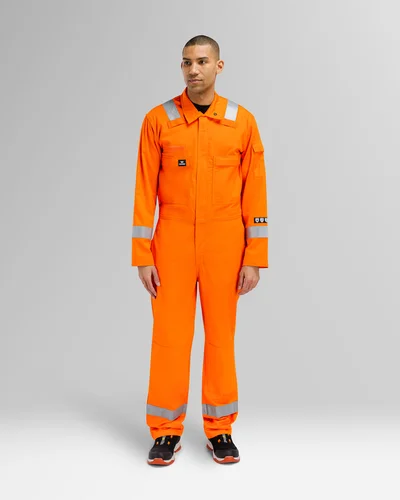
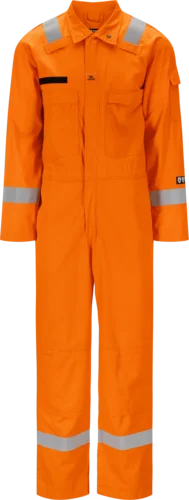
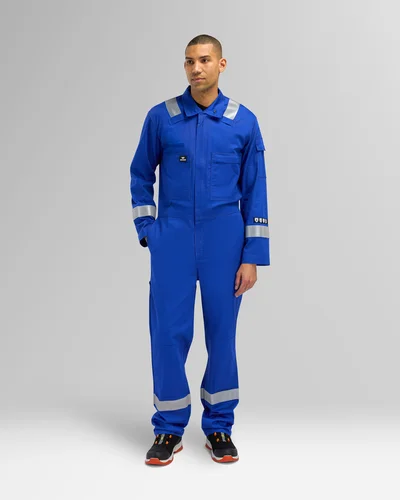
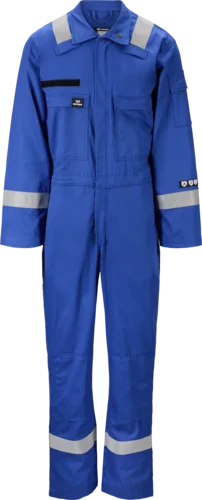
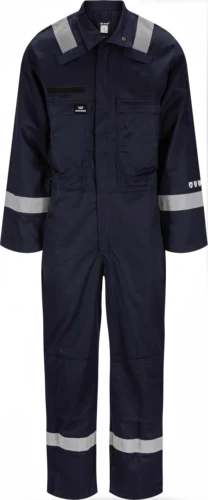
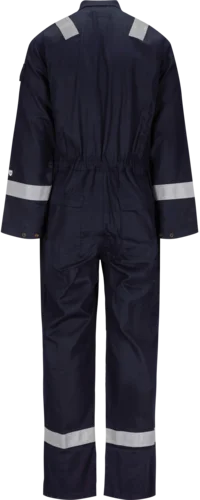
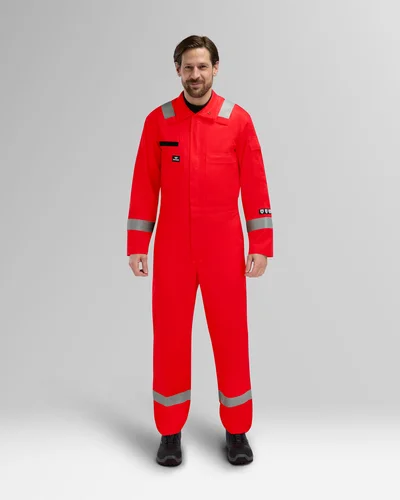
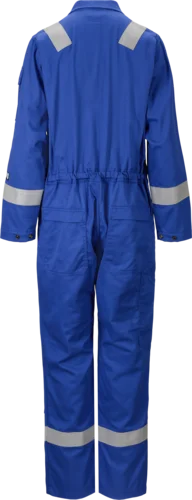
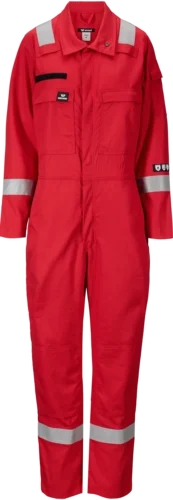
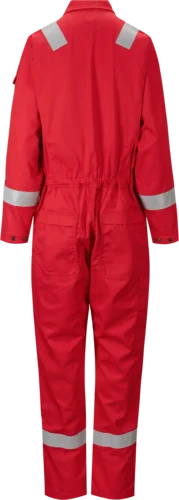
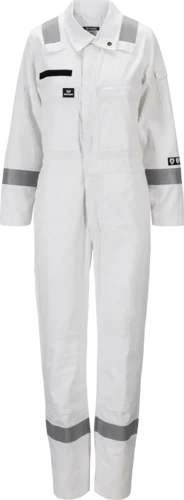
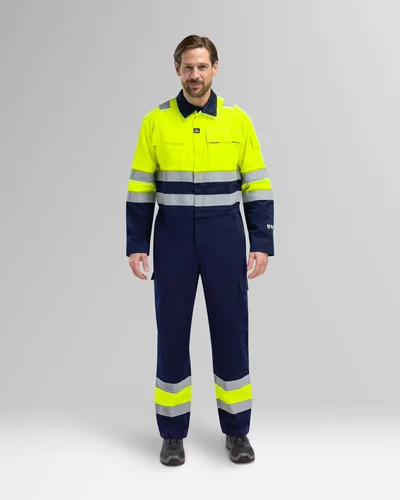
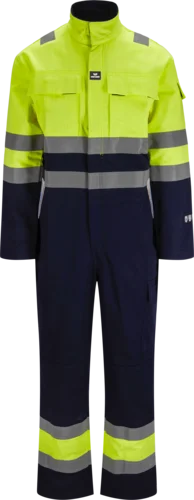
Flame retardant coveralls
In hot and potentially fire-hazardous areas, flame-resistant clothing with EN 11612 certification is essential. It provides protection against hot surfaces and sparks while ensuring comfort during long shifts.
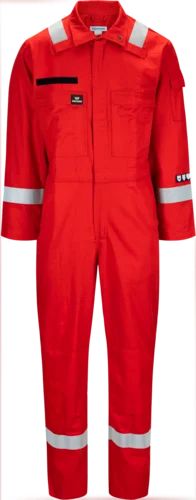
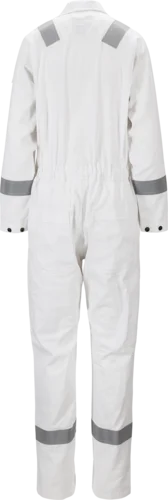
Flame retardant coveralls ladies
Whether you are a professional craftsman, work in the electronics industry, an oil rig worker, retail employee, or driver, we have what you need to feel comfortable and safe at work.
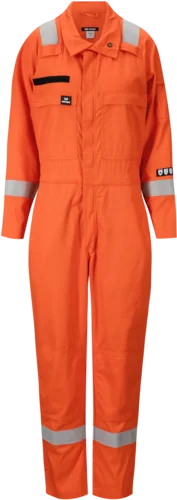
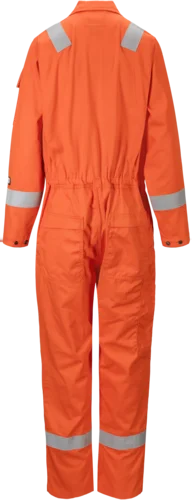
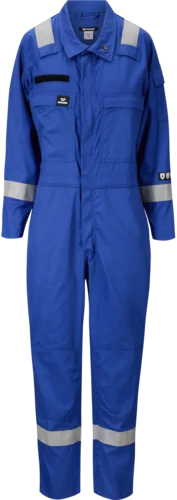
Multinorm
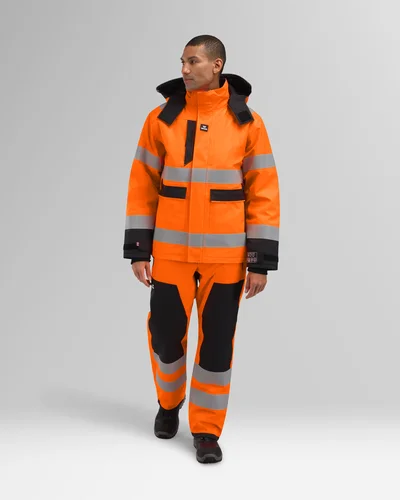
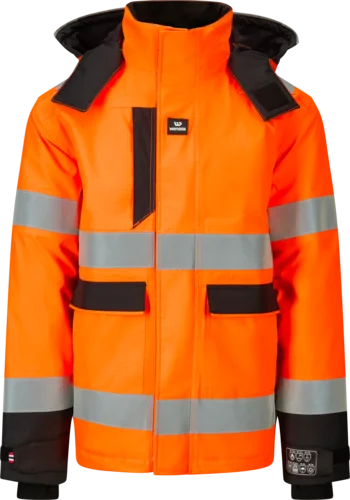
All our flame-retardant clothing are certified in accordance with safety requirements and norms. We also carry out separate tests in order to be at the front edge of development. Experience, careful testing and adequate documentation has allowed us to set the standard for flame-retardant workwear.
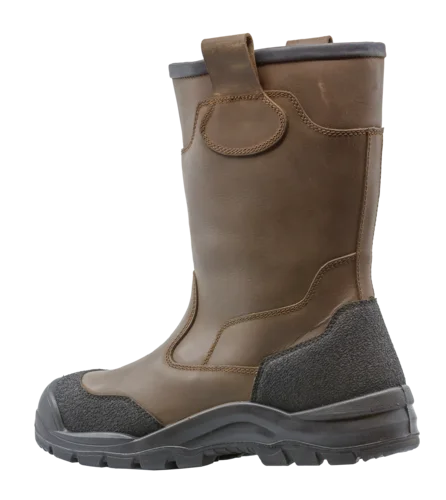
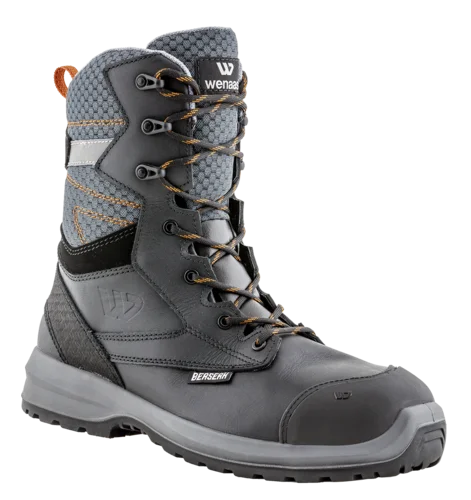
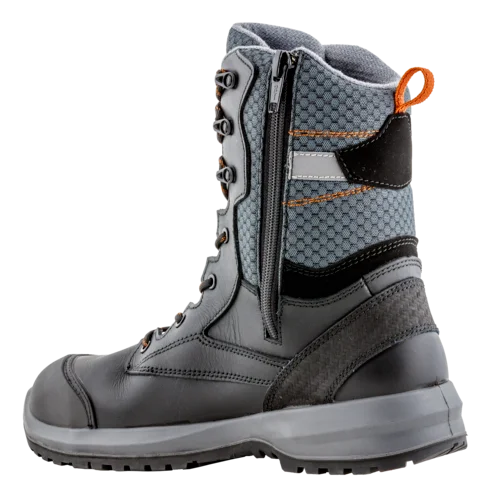
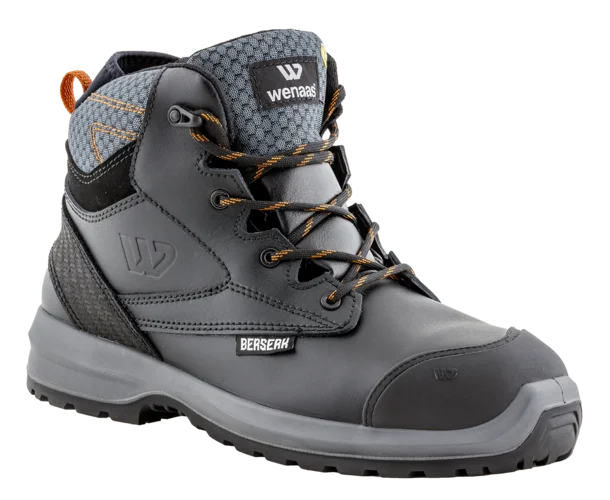
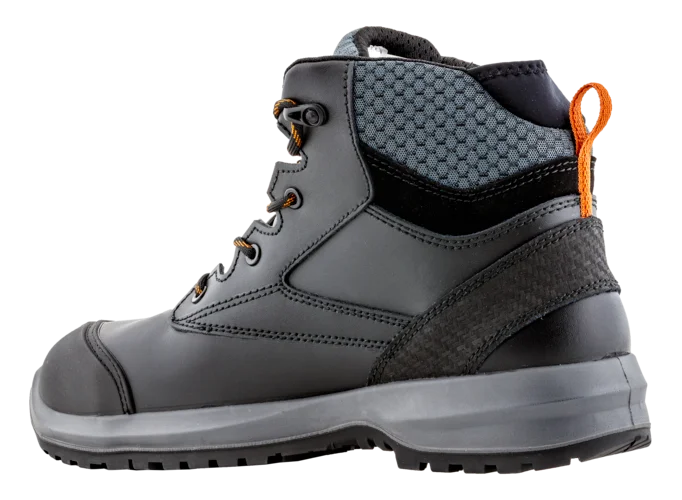
Safety shoes we recommend for shipping
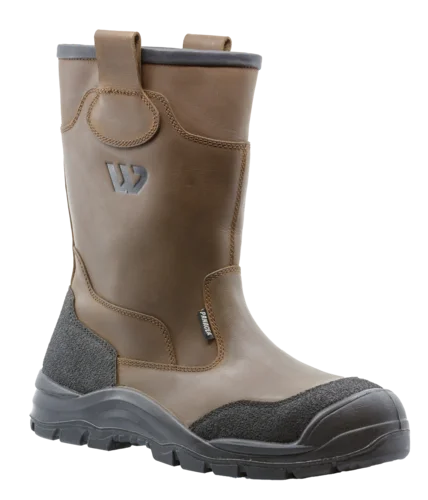
Slip-Resistant Safety Shoes
Safety shoes ideal for oily or wet surfaces on ship decks. The soles provide optimal grip, and the materials withstand exposure to saltwater and chemicals. Several models also include EVA midsoles for extra comfort during long shifts.
Antistatic and heat-resistant soles
Perfect for engine room personnel who need both insulation against hot surfaces and antistatic properties for safety.
When safety matters!
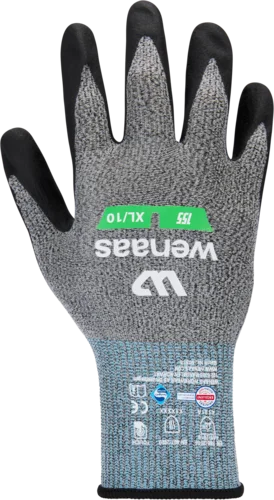
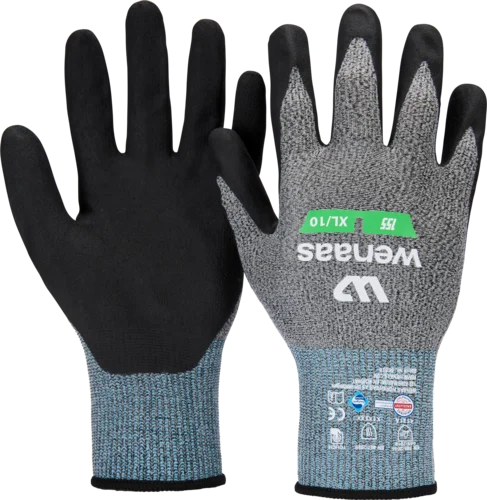
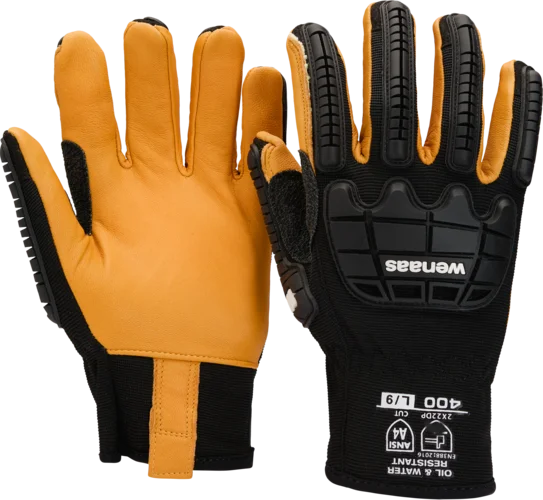
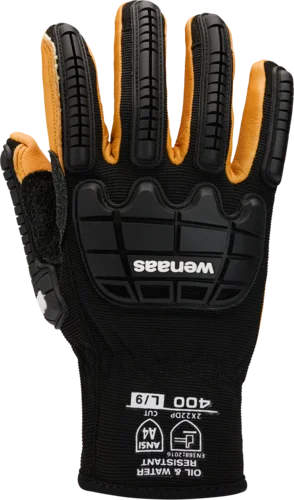
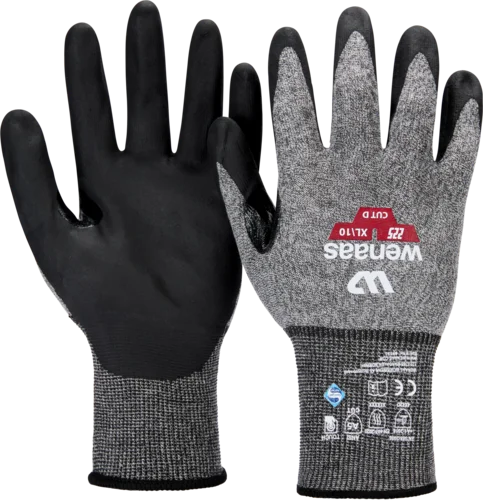
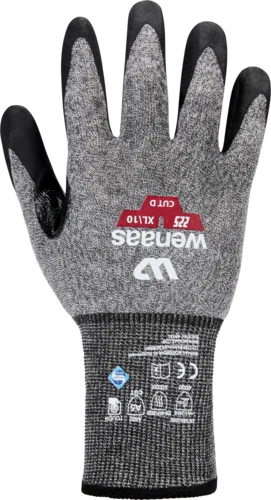
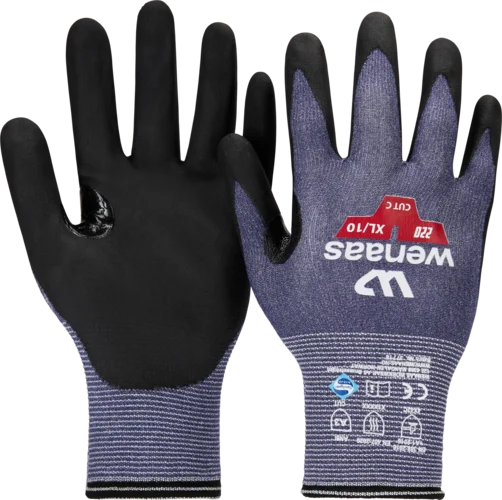
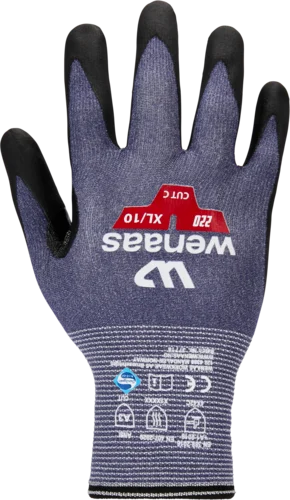
Wenaas offers a wide range of gloves well-suited for offshore, shipping, and maritime work.As with all personal protective equipment, it is wise to conduct a risk assessment to identify potential hazards. Are you working indoors or outdoors? Are you at risk of crush injuries, cuts, etc.?
You should adjust your choice of gloves based on the specific offshore task to ensure optimal hand protection.
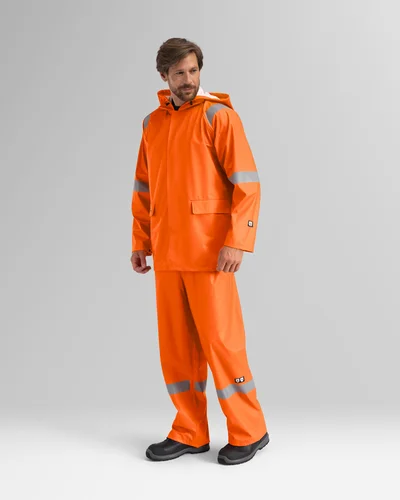
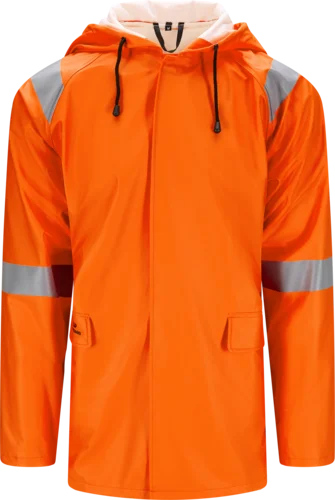
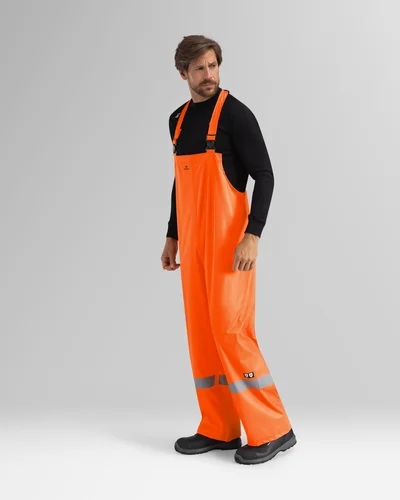
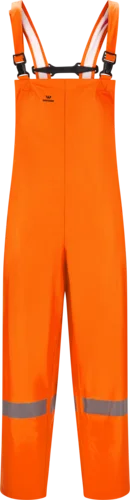
Rainwear
Designed to protect against rain, sea spray, and wind.
Key U.S. Standards and Compliance
RequirementsIn the U.S. oil and gas industry—especially in Texas and along the Gulf Coast—compliance with strict safety standards is critical. Wenaas Workwear designs garments in accordance with key regulations and industry standards, including:
NFPA 2112
Standard for flame-resistant garments that protect against flash fire hazards—essential in refineries and petrochemical facilities.
NFPA 70E
Covers protection against arc flash hazards, particularly relevant for electrical and maintenance work.
OSHA (29 CFR 1910)
Federal regulations governing workplace safety and personal protective equipment (PPE) in hazardous environments.
ASTM International standards
Provide testing and certification for material performance, including heat and flame resistance. API (American Petroleum Institute) recommended practicesIndustry guidelines that influence safety requirements and operational procedures across oil and gas operations.
Layered garments for weather protection and, just as importantly, protection against overheating.
The combination of a moisture-regulating base layer, an insulating mid-layer, and a weather-protective outer layer ensures flexibility in changing climates—from warm, tropical waters to Arctic conditions.
Feel free to read our tips on the three-layer clothing principle or heat stress.

1. Moisture-wicking underwear
The innermost layer consists of garments that:
- Provide warmth even when damp.
- Wick moisture away from the body.
- Dry quickly on the skinAre durable and comfortable.
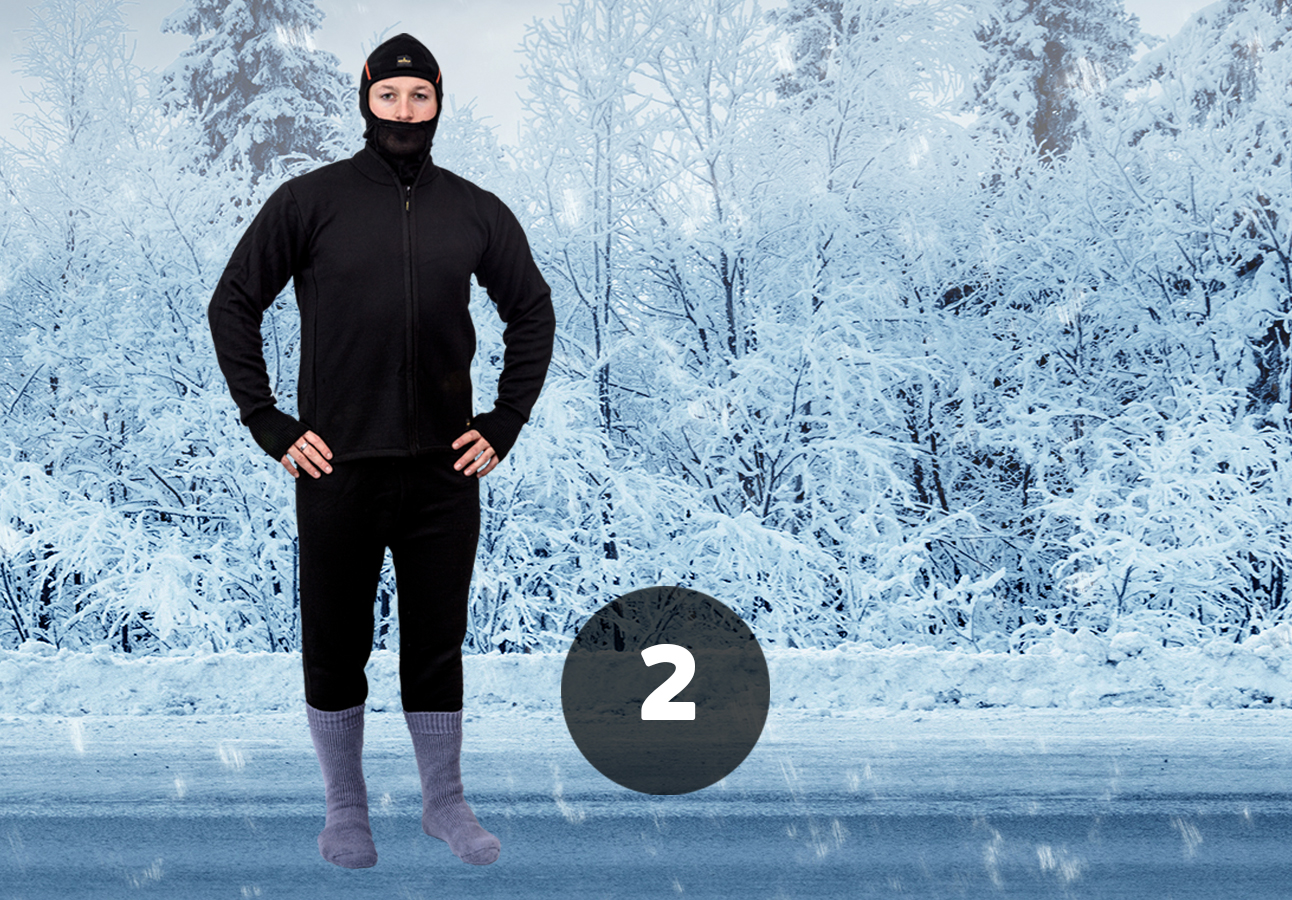
2. Insulating mid-layer garments
The middle layer consists of garments that:
- Provides good insulation at low or moderate work intensity.
- Transfers moisture from the innermost layer to the outermost layerMade of wool, a wool-synthetic blend, or purely synthetic fibers.
- In extremely hot work environments, cooling materials are a smart option to consider.
- Lightweight with low weight and volume.
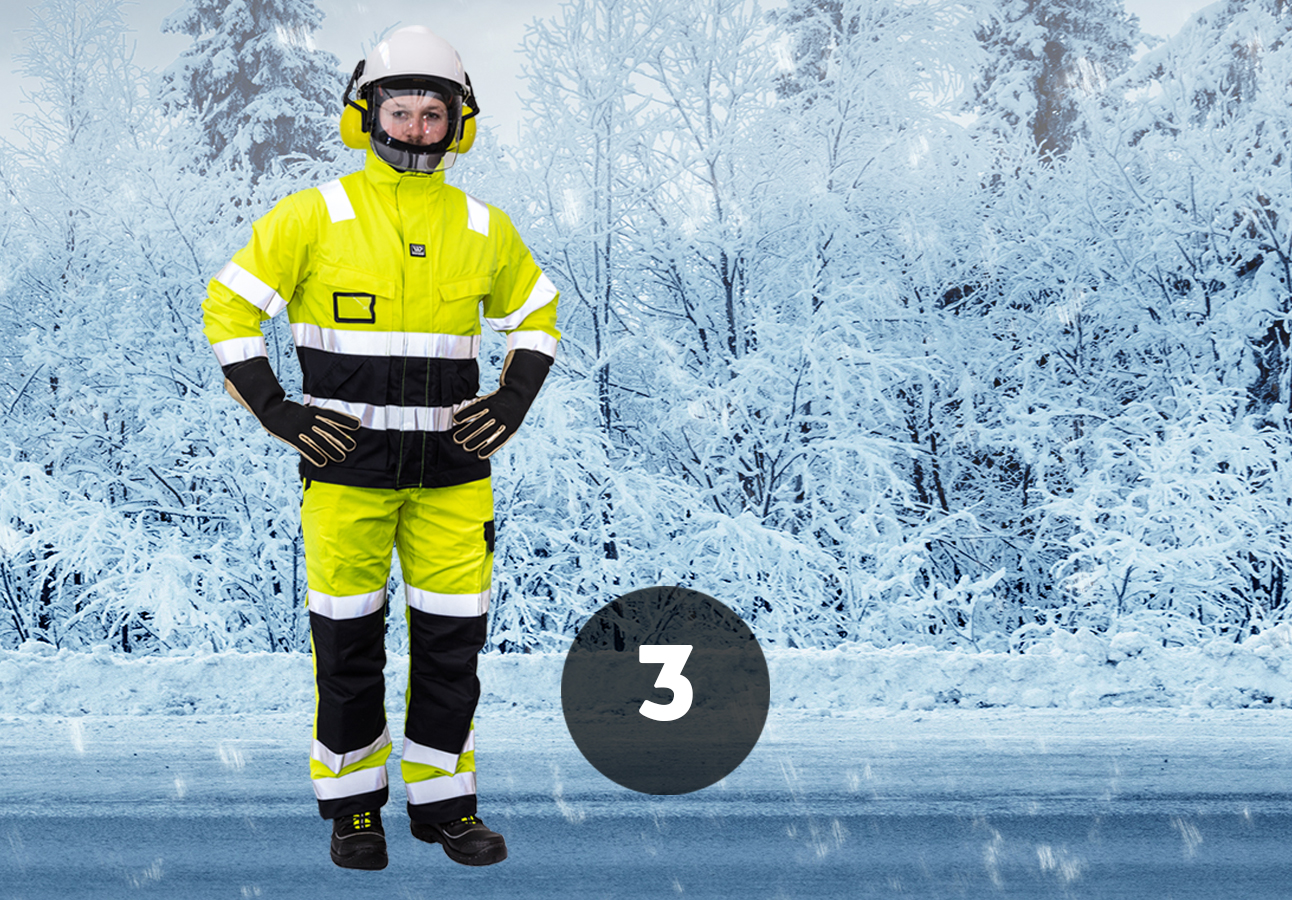
3. Protective outer garments
The outermost layer consists of garments that:
- Are spacious and have insulating air layers
- Transport moisture and are breathable
- Ventilate excess heat
- Have good quality and durability
- Dry quickly
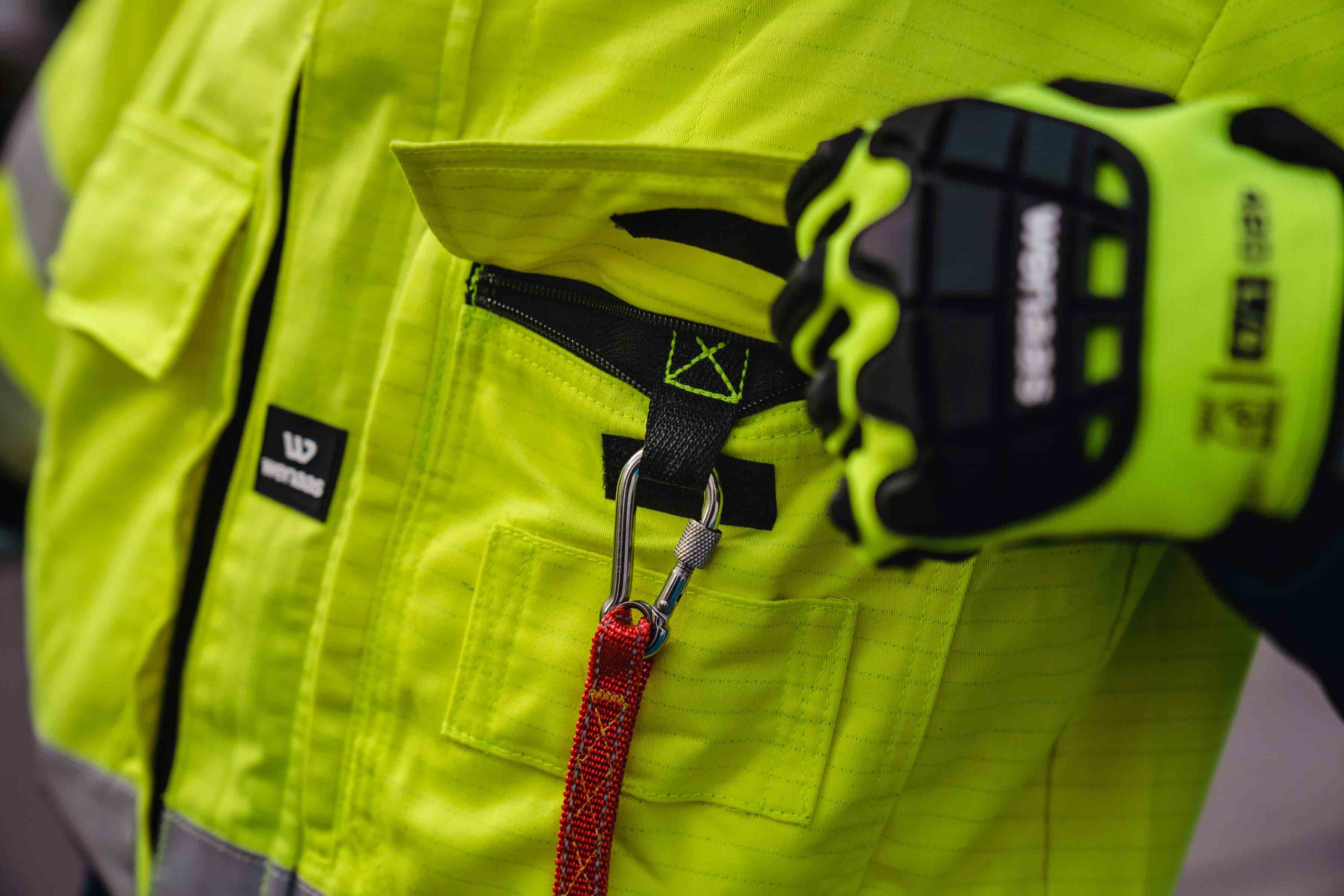
- Are technically well-designed garments adapted to the work environment, with pockets, hoods, etc.


Contact us
To ensure that you and your company receive the best possible help, we have staffed our Customer Service department with highly qualified people. These staff maintain regular dialogue with product managers and other specialists at Wenaas, and often take different courses to update their knowledge about both our own range and the rules and regulations linked to ISO/CE standards.
We go the extra mile to meet your needs, doing everything we can to make a positive contribution, irrespective of whether the task involves registering orders, suggesting products or providing advice regarding the choice of equipment.
Contact:
Wenaas Workwear USA, Inc.
10401 S. Sam Houston Pkwy. W.
Houston, TX 77071
Phone no. +1 (281) 902-6949
Email: postusa@wenaas.com