We know that the work clothes can
be the difference between life and death
Multinorm work clothes
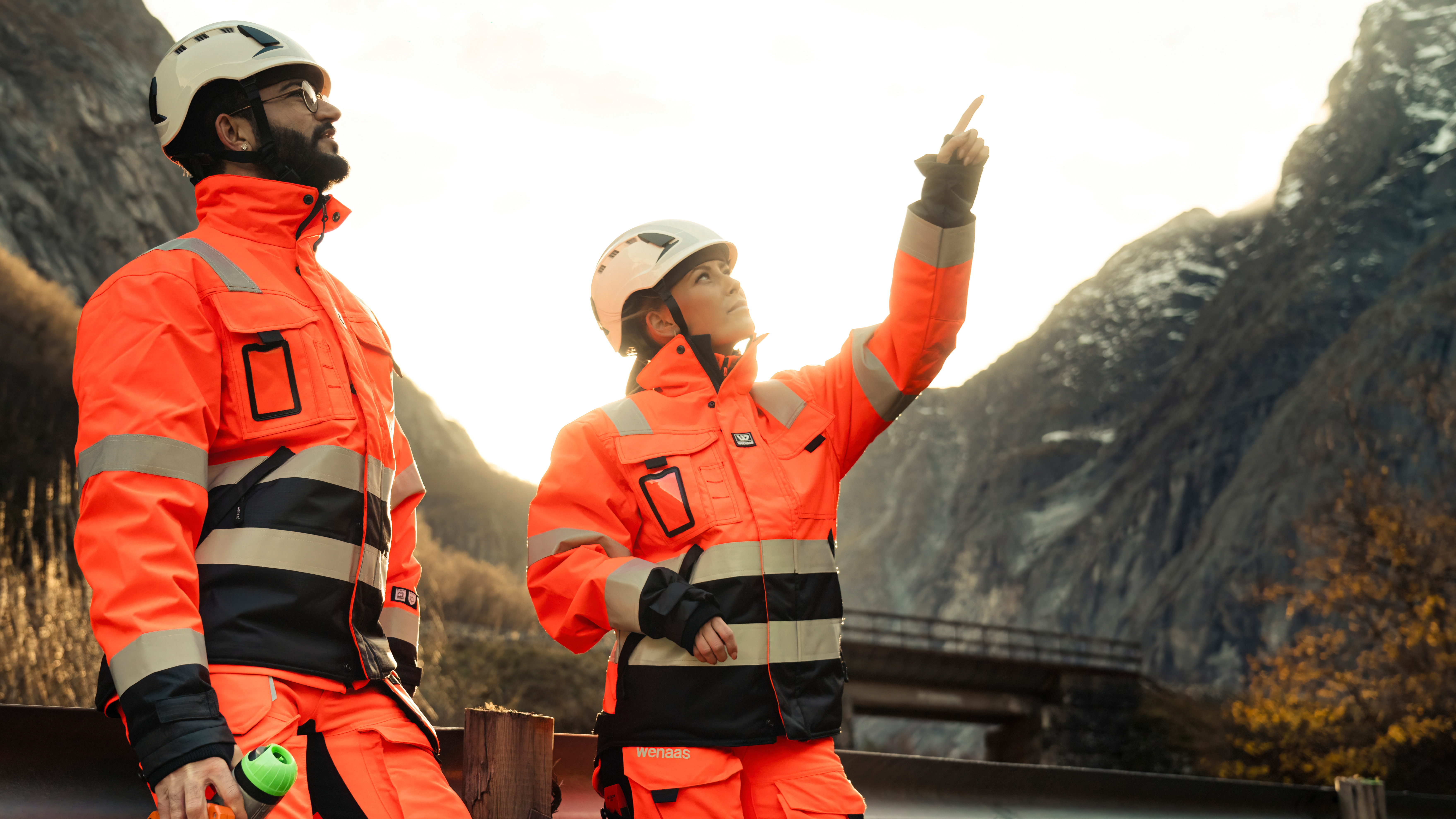
Work in heavy industry, power plants and fire and safety takes place under extreme conditions.
Optimum comfort and fit are important for people who move a lot throughout the day in order to have a better everyday working life.
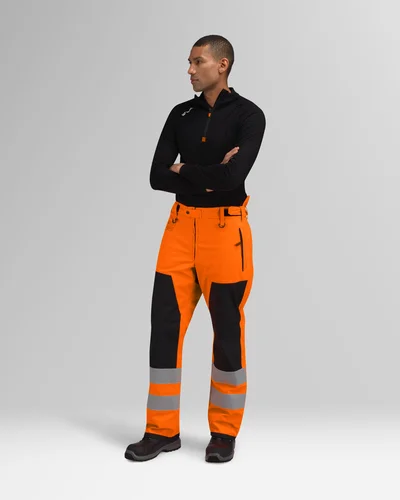
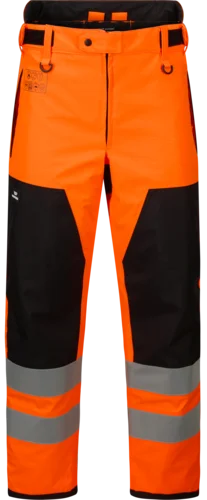
Our new multistretch collection includes 4-way super stretch fabrics that we use in small panels on the garments and which lead to excellent moveability. Not only are the fabrics stretchy, they are also soft and have an excellent fit, which makes the item of clothing extremely comfortable to wear.
We have chosen to use segmented reflective tags to not impede the movement of the stretchy fabric. Segmented reflectors also offer a contemporary look.
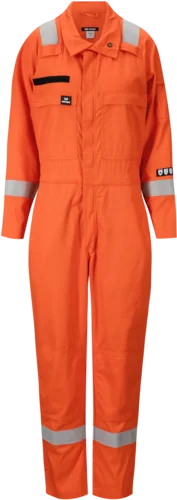
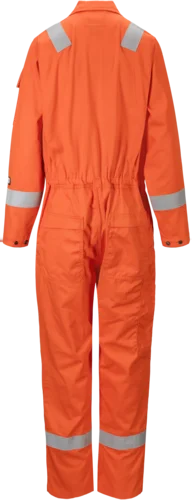
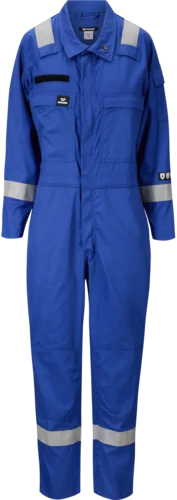
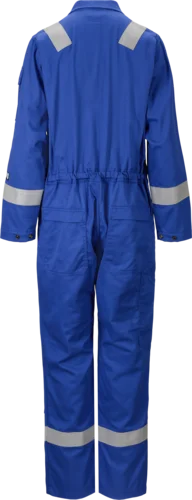
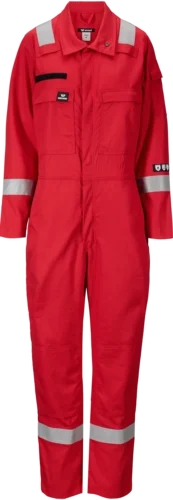
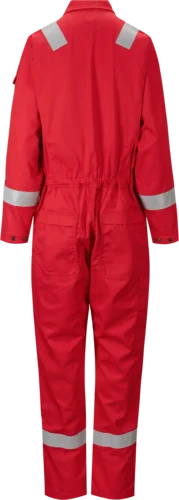
We have also developed our own women's collection, Curved. 4-way stretch garments are very well suited to the female shape. The women's clothing has the same functions as the male/unisex models.
When safety matters!
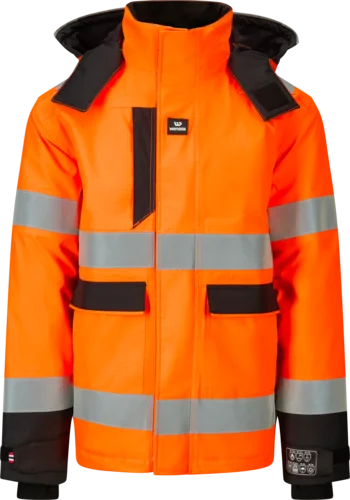
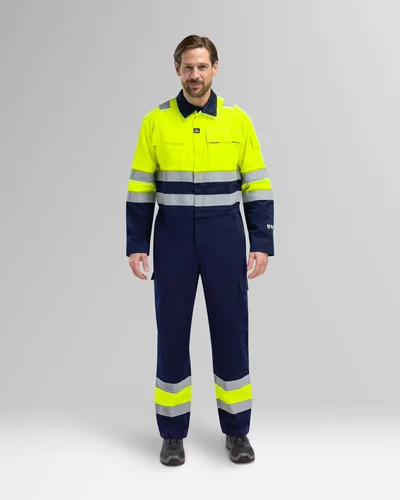
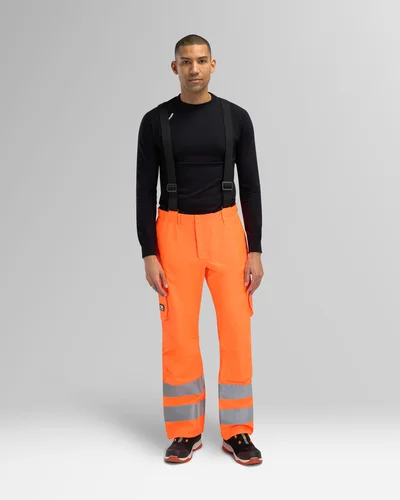
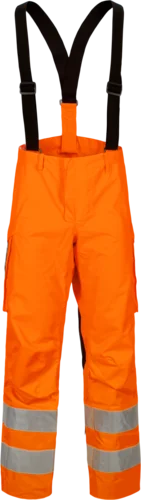
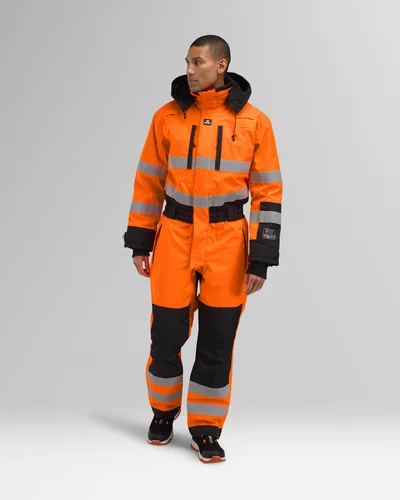
Our Multinorm workwear is designed for work environments with multiple types of risks, such as flame, heat, arc flash, static electricity, chemicals, and low visibility. The garments combine several certifications in one solution and provide workers with reliable protection throughout demanding workdays. With the right multinorm clothing, workers get high safety, good comfort, and functionality in high-risk industries
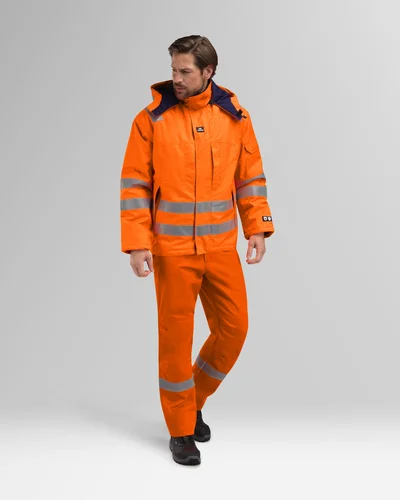
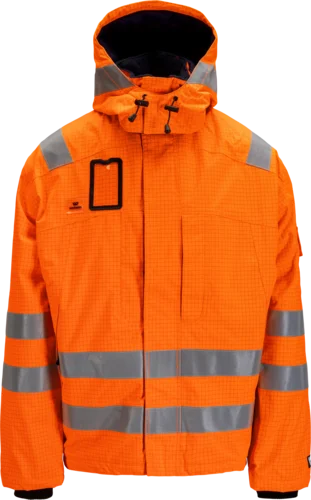
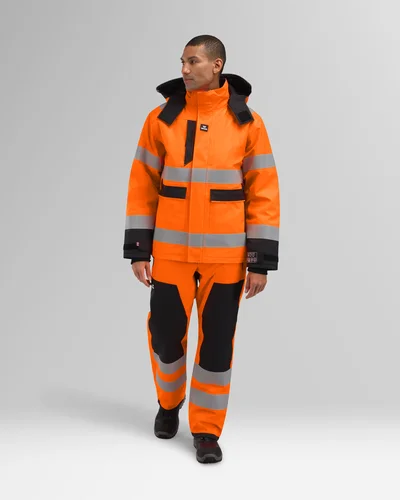
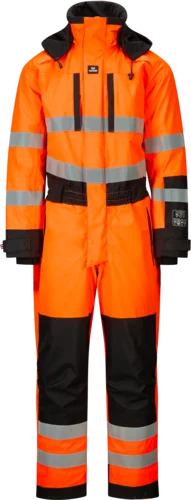
The difference between flame-resistant and flame-retardant
Flame-resistant materials have inherent protection against flames. This means that the fibers themselves – such as modacrylic and aramid – naturally resist ignition and do not easily melt or catch fire. The protection is part of the material’s structure and does not wash out.
Flame-retardant materials achieve their properties through a treatment applied to the textile. This typically applies to FR cotton and cotton/polyester blends. The treatment provides the fabric with durable flame protection that lasts throughout the garment’s lifetime.
The most suitable solution depends on applicable standards, work tasks, working conditions, and requirements for washing and maintenance.
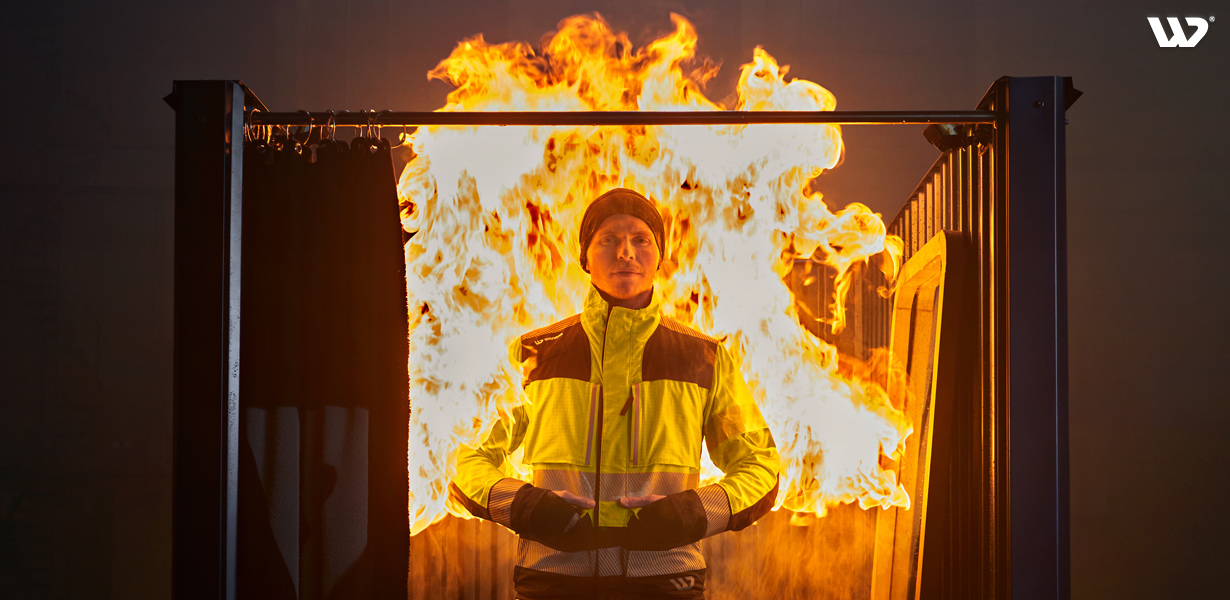
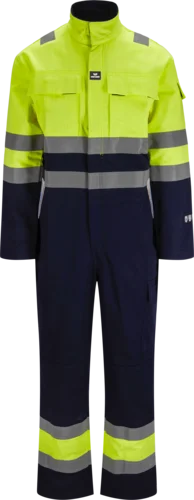
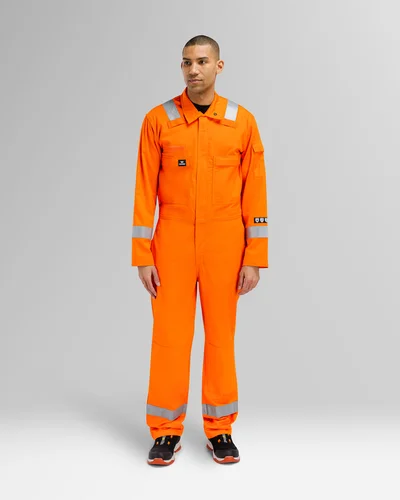
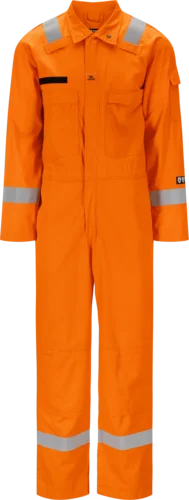
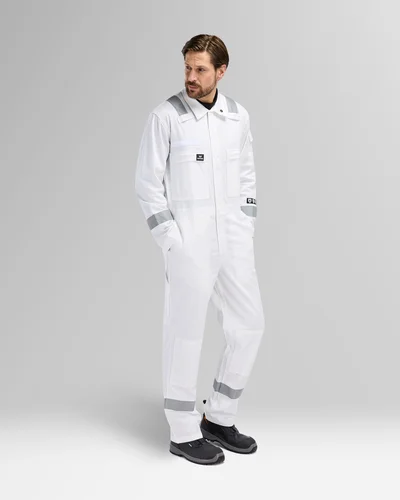
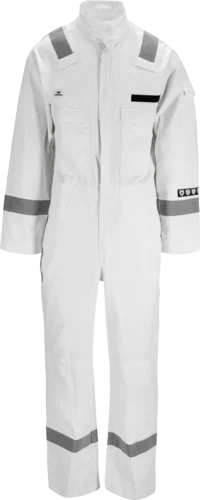
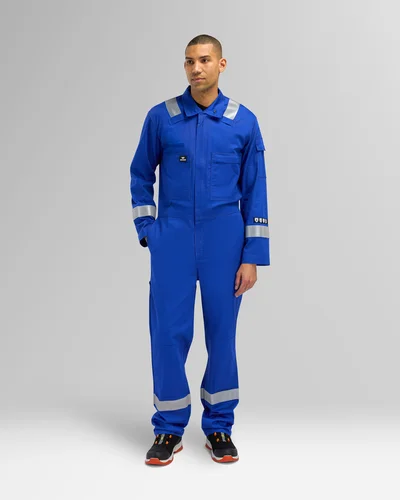
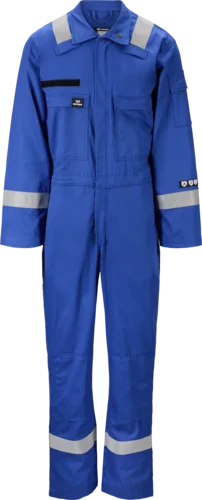
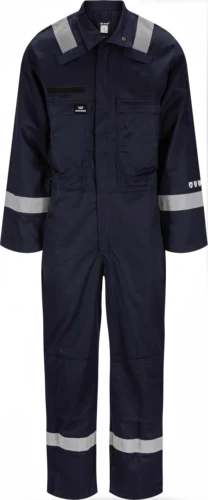
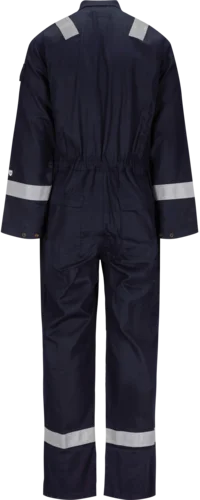
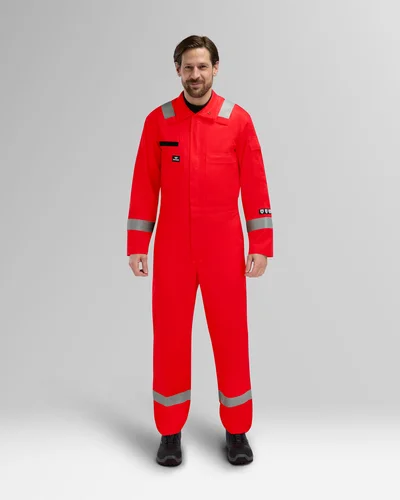
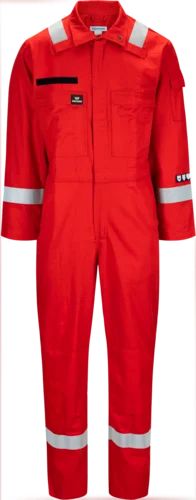
Flame-resistant coveralls
In hot and potentially fire-hazardous areas, flame-resistant clothing with EN 11612 certification is essential. It provides protection against hot surfaces and sparks while ensuring comfort during long shifts.
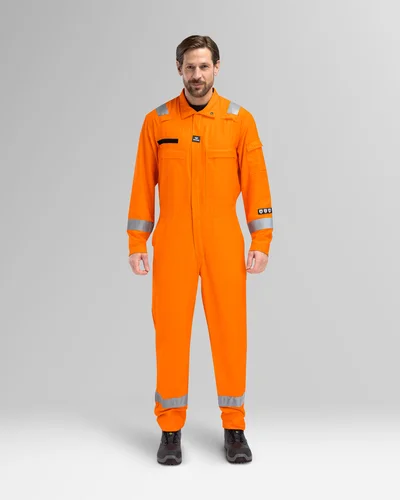
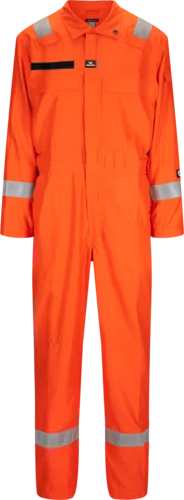
Flame-resistant coveralls ladies
Whether you are a professional craftsman, work in the electronics industry, an oil rig worker, retail employee, or driver, we have what you need to feel comfortable and safe at work.
Certified according to all safety requirements and standards
All our flame-retardant clothing are certified in accordance with safety requirements and norms. We also carry out separate tests in order to be at the front edge of development. Experience, careful testing and adequate documentation has allowed us to set the standard for flame-retardant workwear.
We use different types of fabrics in our flame-retardant collections
The different fabrics consist of different components to cover different needs and comply with different regulations. It includes everything from flame-retardant properties, light arc protection, anti-static and welding properties to protection against molten iron and aluminium and much more.
Where can a arc flash occur?
An arc flash can be formed both high voltage and low voltage sites. The term is used in relation to the potential damage caused by a short circuit electric arcs. It is given in calories per square centimetres (cal/cm²). This type of energy is a result of the amount of energy, time and distance to the light arch. The scope of the damage therefore depends on how long you are exposed to the light arch and how close you are to it.
Correct protection
The right protection is therefore essential for everyone working in electrical plants and who carry out maintenance of equipment in plants that are not secured against arc flashs or who work with high voltage equipment.

ELIM value for workwear
ELIM (Incident Energy Limit) is a relatively new value that complements the ATPV and EBT 50 ratings for open arc testing.
The ELIM value indicates how much thermal energy a garment can protect the wearer from during an arc flash incident. The higher the ELIM value, the better the workwear protects against the thermal effects of arc flashes.Traditionally, ATPV (Arc Thermal Performance Value) and EBT (Energy Breakopen Threshold) have been used to measure protection. Both are based on a 50% probability of injury or fabric break:ATPV indicates when the wearer has a 50% chance of sustaining a second-degree burn.
EBT is used when the fabric breaks before reaching the ATPV limit, showing when the material begins to crack open.ELIM stands out as being more conservative – it represents the highest energy level at which no test samples result in injury or fabric break.Thus, ELIM provides a clearer and safer measure of the actual protection one can expect in practice.
Choose the right value ATPV
It is important to use protective equipment that is adapted to the potential voltage in a power plant or workplaces with a risk of arcing.
This is known as the ATPV value (Arc Thermal Performance Value). The clothing must therefore be labelled with the amount of calories per square centimetres it can withstand.
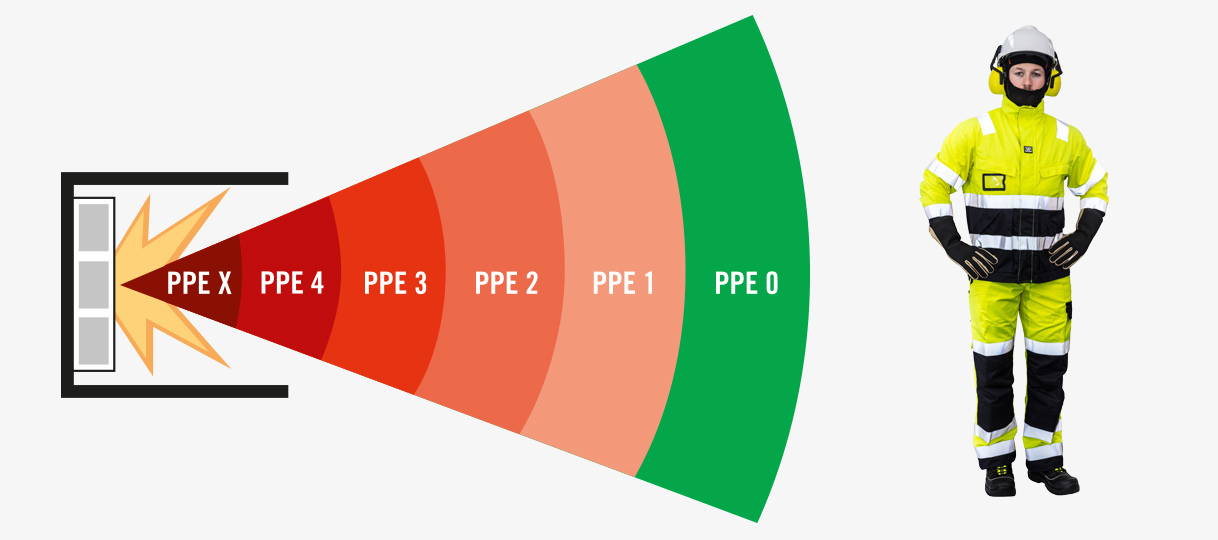
Arc flash energy
Categorized by incident energy:
- PPE 0 ≤ 1,2 cal/cm² (no requirement for arc flach resistant clothing)
- PPE 1 ≤ 4 cal/cm²
- PPE 2 ≤ 8 cal/cm²
- PPE 3 ≤ 25 cal/cm²
- PPE 4 ≤ 40 cal/cm²
- PPE x > 40 cal/cm² (extreme danger)
Clothing in relation to ATPV rating
The clothing must have an ATPV (Arc Thermal Performance Value) rating equal to, or greater than, the applicable value for the arc flash energy at the workplace. Layer on layer arc flash tested clothing will produce a minimum ATPV rating equal to the sum of the ATPV ratings for each layer. The combination can produce a higher ATPV rating than the sum of the ratings of each layer.
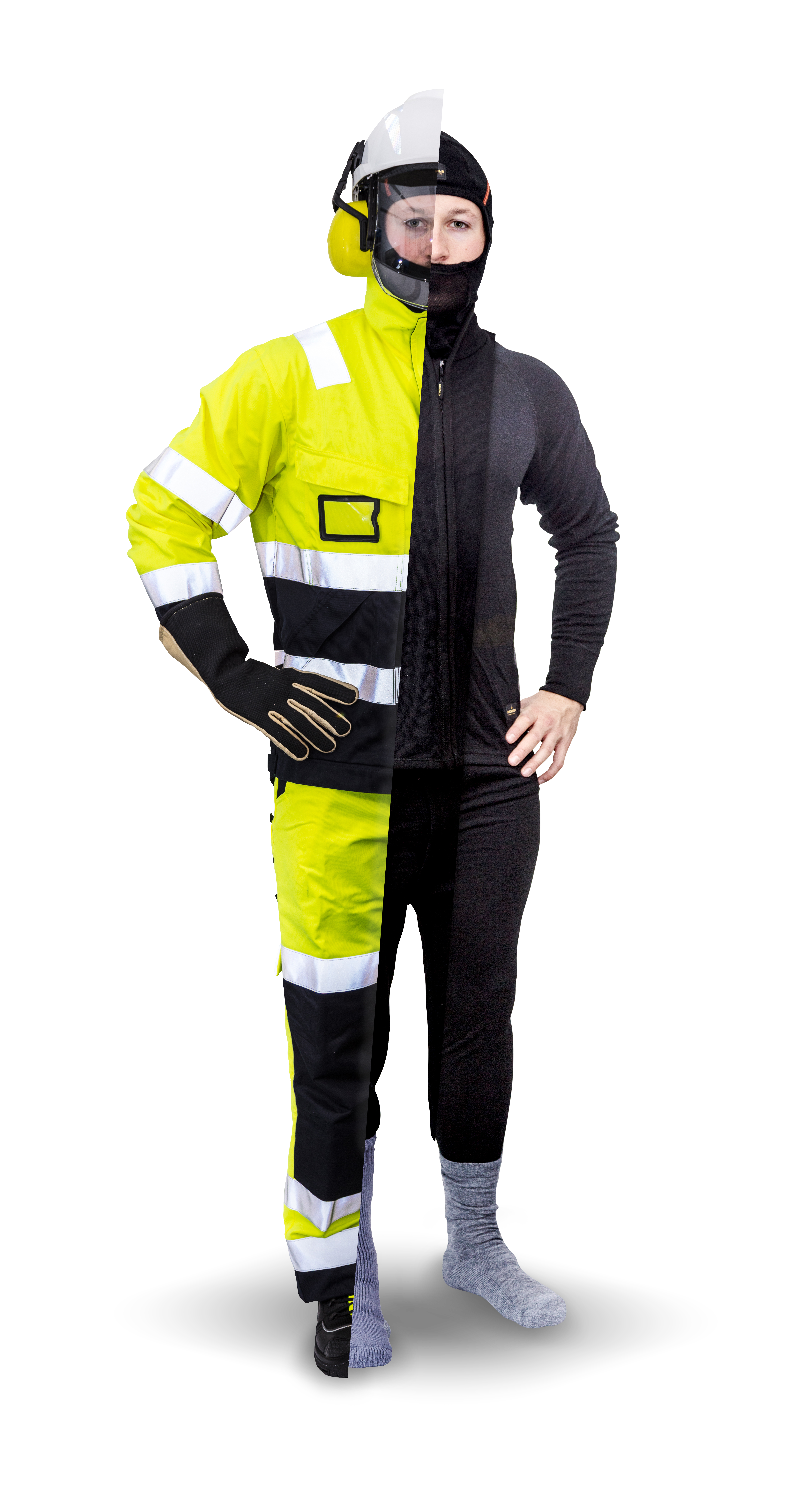
Layered clothing provides the best protection against light archs
It provides a minimum ATPV value, which is equal to the sum of the ATPV value of each layer. However, the composition can give you an ATPV value that higher than the sum of each separate layer. The reason for this is that several layers increase the amount of air between you and the garments. By using many layers of clothing, you can isolate yourself better against the energy in the event of a light arch. However, only tests can give us an idea of how much added protection the air pockets provide.
Layer upon layer of protection:
Gore-Tex Jacket Electric Arc 0-56850-19819, Devold Spacer Jacket 0-251-310,
Devold spirit long-sleeved t-shirt 0-1228-120 provides atpv value = 105,2 cal/m2.
What does wearing layered clothing entail?
1. Always use wool undergarments
Wool undergarments are flame-retardant and provide increased protection, as well as being moisture-wicking and keeping the body dry. If you use the wrong fabrics, you run the risk of the undergarments catching fire and melting on your skin.
2. A flame-retardant mid-layer of clothing provides heating insulation and increased protection.
Determine the thickness of the garment based on you work conditions and your work environment. An added layer also increases the amount of air between the garments and isolated better against possible light archs.
3. The outermost layer is the shell that provides you with the added protection.
The garment must be adapted to the potential incydent energy arc, the ATPV value, in the work place. The layered clothing principle provides increased flexibility. Determine and adapt the amount of garments based on the weather and wind conditions, and also how high the risk is in your particular work station.
OEKO-TEX® MADE IN GREEN
Product certification for Wenaas Workwear since 2024.
The certificate is a global product certification. OEKO-TEX® MADE IN GREEN is a traceable product label for all kinds of textiles and leather products that have been manufactured in environmentally friendly facilities under safe and socially responsible working conditions. The OEKO-TEX® MADE IN GREEN aim is a 100% traceable supply chain for all involved product specific manufacturing processes from raw material to factory of the finished product. All products have a unique ID/QR code for traceability of the supply chain.
Overall description of the certificate:
- OEKO-TEX® MADE IN GREEN serves as a legal verification of successful product certification in all business processes in accordance with OEKO-TEX® STANDARD 100, OEKO-TEX® ORGANIC COTTON or OEKO-TEX® LEATHER STANDARD.
- To achieve OEKO-TEX® MADE IN GREEN product certification, all the making up facilities are also certified according to OEKO-TEX® STeP. OEKO-TEX® STeP stands for “Sustainable Textiles & Leather Production” and is based on a modular certification system.
- The goal of OEKO-TEX® STeP is to implement environmentally friendly processes to improve health and safety and to also promote socially responsible working conditions at the production sites. STeP analyses all important areas of a company; 1) Chemical management, 2) Environmental management, 3) Environmental performance, 4) Social responsibility, 5) Quality management, 6) Health protection and safety at work.
- To verify the OEKO-TEX® MADE IN GREEN label, scan the QR code provided on the product. You will be forwarded directly to the OEKO-TEX® label check site. From here you can track the products’ journey, locations and producers involved in the MADE IN GREEN supply chain, as well as the owner of the label.
Multistretch Universal


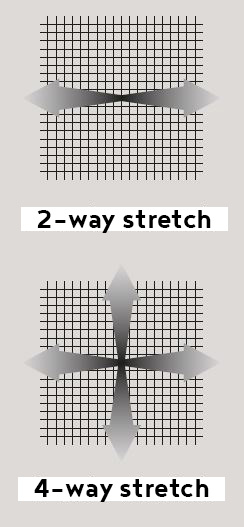
How to test 4-way stretch?
The advantage of 4-way stretch in the fabric is that the garment extends in all directions so that it does not hinder your movements, but follows, for example, that you bend your knee or elbow.
1. Lay the fabric / product so that the weave in the fabric is vertical / horizontal
2. Check if the fabric extends horizontally
3. Check if the fabric extends in the vertical direction Remember: If you feel at an angle, all fabrics have stretch in the weave.
2-way stretch has only stretch one way. The fabric has elastane or other stretch in the composition. Often this stretch then lies horizontally on the garment.4-way stretch has stretch both ways. The fabric has elastane or other stetch in the composition. The stretch may be better one of the roads. This is then usually horizontal on the garment.
Flame retardant rainwear
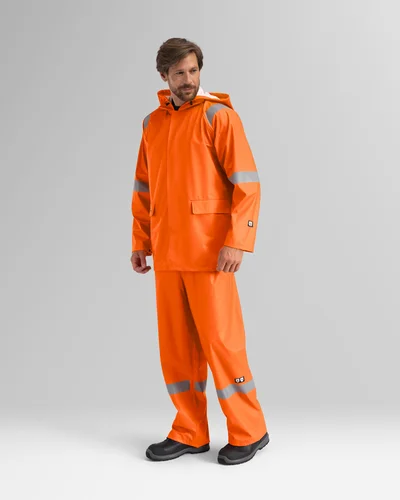
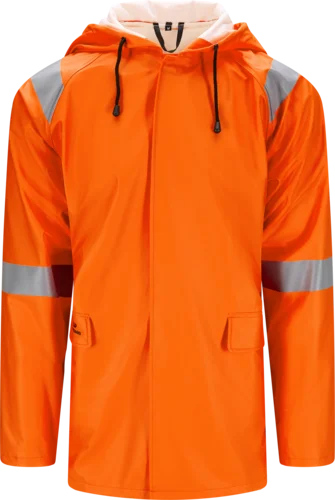
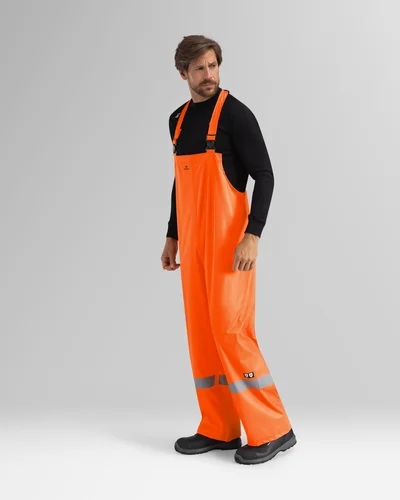
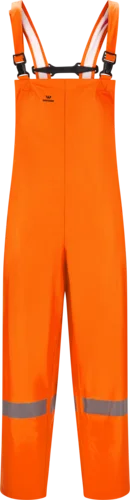
Some workplaces or tasks require both flame retardant protection and you need to be protected from rain or damp environments. Then you need flame retardant rainwear. Check out our range below.