
Wenaas ID – for those who want to know more…
It all started as a research project with the goal of developing a new generation of safety shoes that were both more comfortable and more sustainable than today’s solutions.
The project was named “Lightfoot” at its launch.
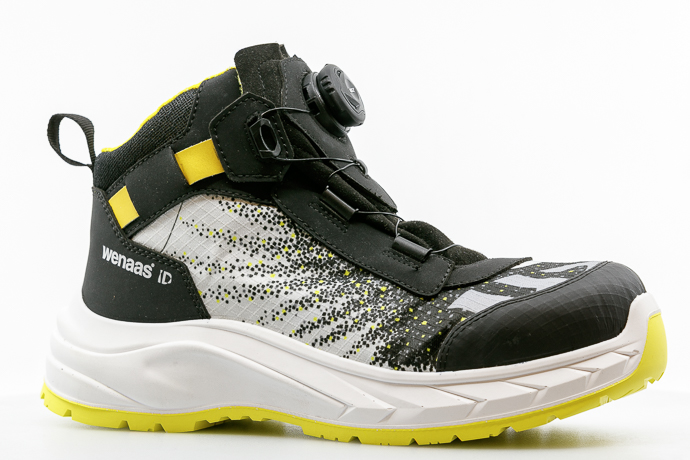
Together with SINTEF*, we have developed a safety shoe designed to help prevent injuries to the foot, heel, knee, and skeletal system.
The project focused on “reducing the load” for workers – both physically and environmentally:
- Better ergonomics and health: Safety shoes are often heavy and stiff, which can contribute to musculoskeletal issues over time. Lightfoot aimed to reduce strain and improve comfort through smarter design and material choices.
- Equal or better protection: The shoes still had to meet all safety requirements, such as protection against impact, penetration, and chemicals.
- Lower climate footprint: The project worked systematically to reduce the environmental impact of safety shoe production, including through life cycle analyses (LCA) and improved material selection.
- User-driven development: Workers and end users were involved throughout the entire development process to ensure that the solutions work in practice.
The Lightfoot project became Wenaas ID
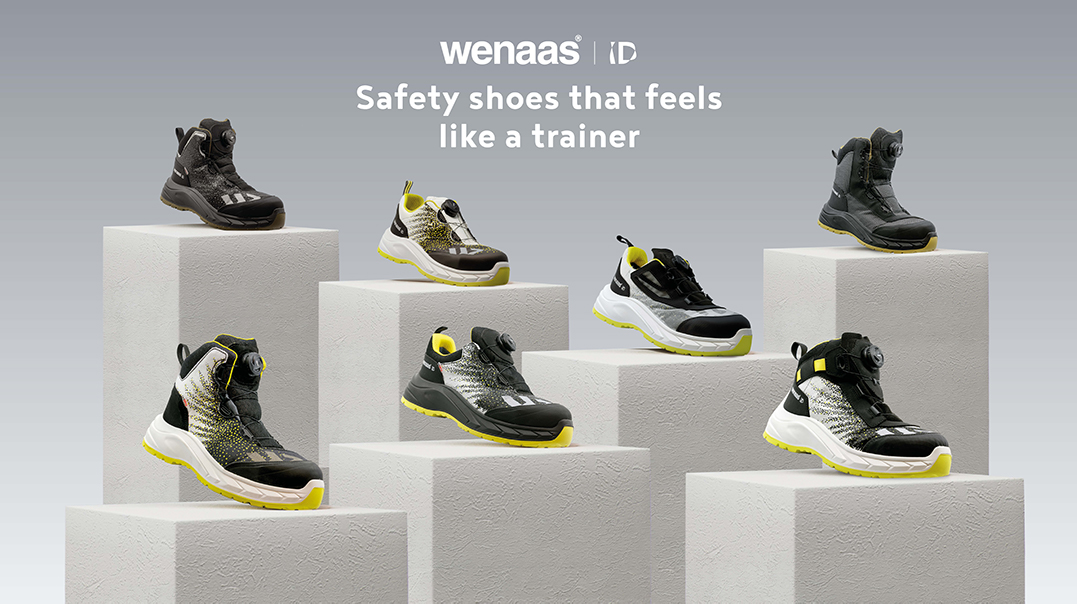
The research and development project, carried out in collaboration with SINTEF, Equinor, Aker BP, OneCo and Orion Group, and supported by the Research Council of Norway, resulted in Wenaas ID – a revolutionary new range of safety footwear with interchangeable InLets.
* SINTEF is one of Europe’s largest independent research organizations, based in Norway. It conducts applied research across a wide range of industries, working closely with companies and public sector partners to develop innovative, science-based solutions.
Study conducted by SINTEF shows significantly lower heel forces and improved foot stability with Wenaas ID safety shoes
In a laboratory evaluation conducted by SINTEF, Wenaas ID demonstrated significantly lower heel forces and better foot stability than the reference model. At the same time, field testing under real working conditions provided clearly positive feedback from users.
Standardized laboratory evaluation
The laboratory evaluation was carried out to compare load distribution under the foot in Wenaas ID with a representative selection of commercially available safety shoe models. A total of six shoe models were tested, including models with EVA and PU midsoles.
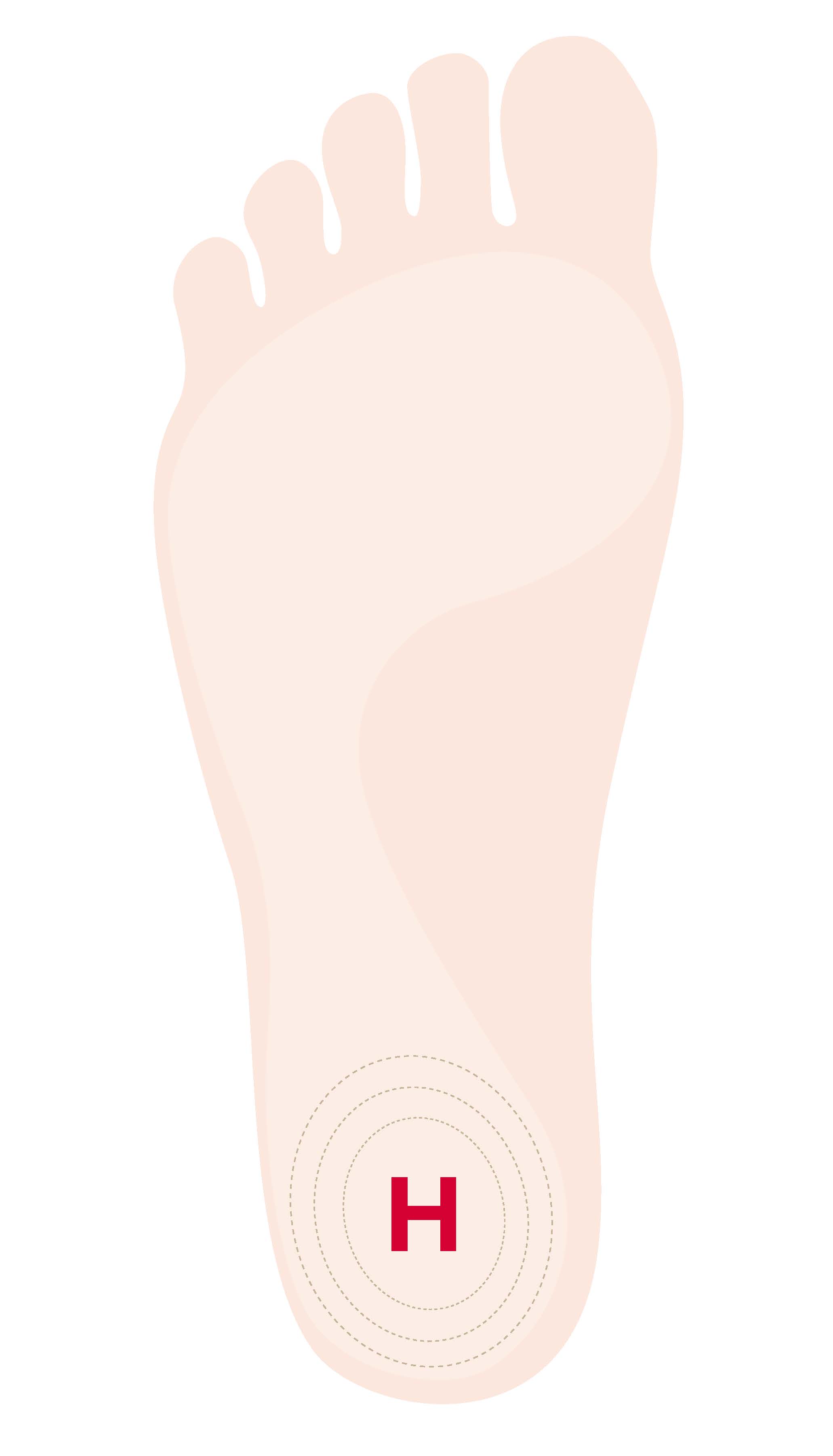
The study included 21 adult participants, and measurements were performed using wireless in-shoe pressure sensors under standardized conditions on a treadmill at 5 km/h, 1% incline, and two minutes of walking time per model. Load distribution was analyzed in three areas of the foot: heel, lateral forefoot, and medial forefoot.
Summary of resources used
- SINTEF: Development team (design and pilot testing in laboratory)
- Senior Researcher, Physiology (MSc in Exercise Physiology and PhD in Physiology)
- Senior Researcher, MSc in Industrial Design
- Senior Health & Working Environment Professionals from companies representing end users
- Test and evaluation team in lab and field (study design, data collection, and data analysis)
- Researcher, PhD in BiomechanicsResearcher, MSc in Biology (specialization in Human Physiology)
- Registered Nurse
All with extensive experience in standardized testing and data analysis.
AKER BP: Physiotherapist, ergonomist, and test users onshore and offshore
Equinor: Physiotherapist, ergonomist, and test users onshore and offshore
OneCo: Test users
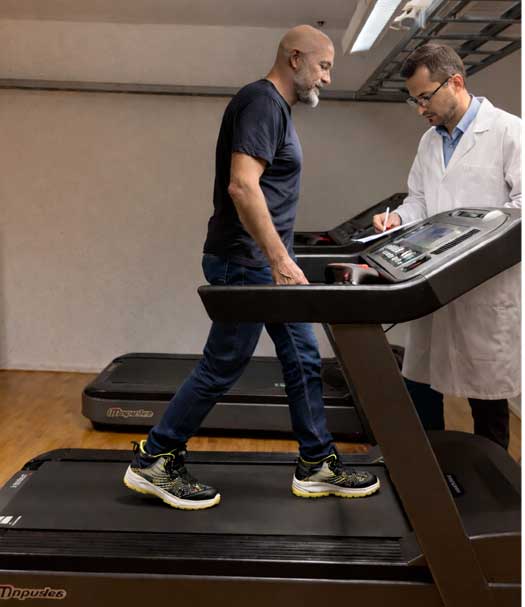
During the development of Wenaas ID, the main objective was to understand how the shoe’s properties – and the construction of both the shoe and the InLet – affect comfort, performance, and load on the body.
Documented performance through extensive testing
Using statistical tools (regression analysis) and biomechanical analyses, SINTEF mapped how the shoe’s construction and the InLet system affect the load on the foot. Two different InLet densities—Soft and Medium—were tested, and both showed a significant and statistically proven reduction in pressure and forces on the heel compared to other well-known safety shoe models included in the test.
The tests also documented that Wenaas ID with Medium InLet performs consistently and reliably across all weight classes, delivering high comfort and shock absorption regardless of load.
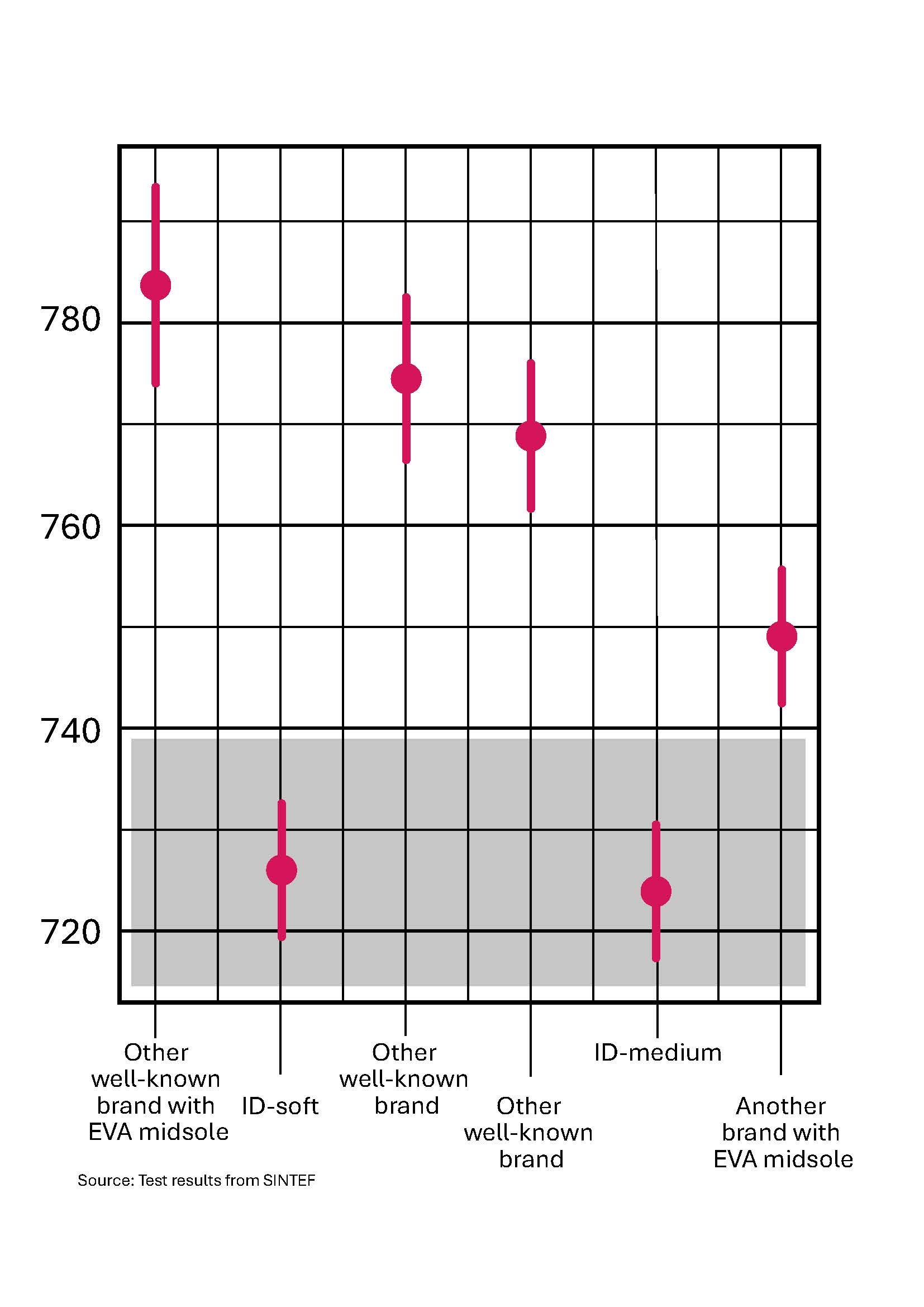
SINTEF tested
two different
material densities
in the new shoes’
InLet system.
Both resulted in
significantly lower
pressure on the
heel.
Heel: Forces on the heel were significantly reduced by 6.5% and 6.7%, respectively, reducing the risk associated with high-impact landings.
Forefoot: Rotation in the forefoot (pronation) during the load phase of natural walking (the first 20%) was compared with a typical safety shoe. The ID InLet significantly reduced pronation velocity by 41% and 31%, respectively, improving overall foot stability.
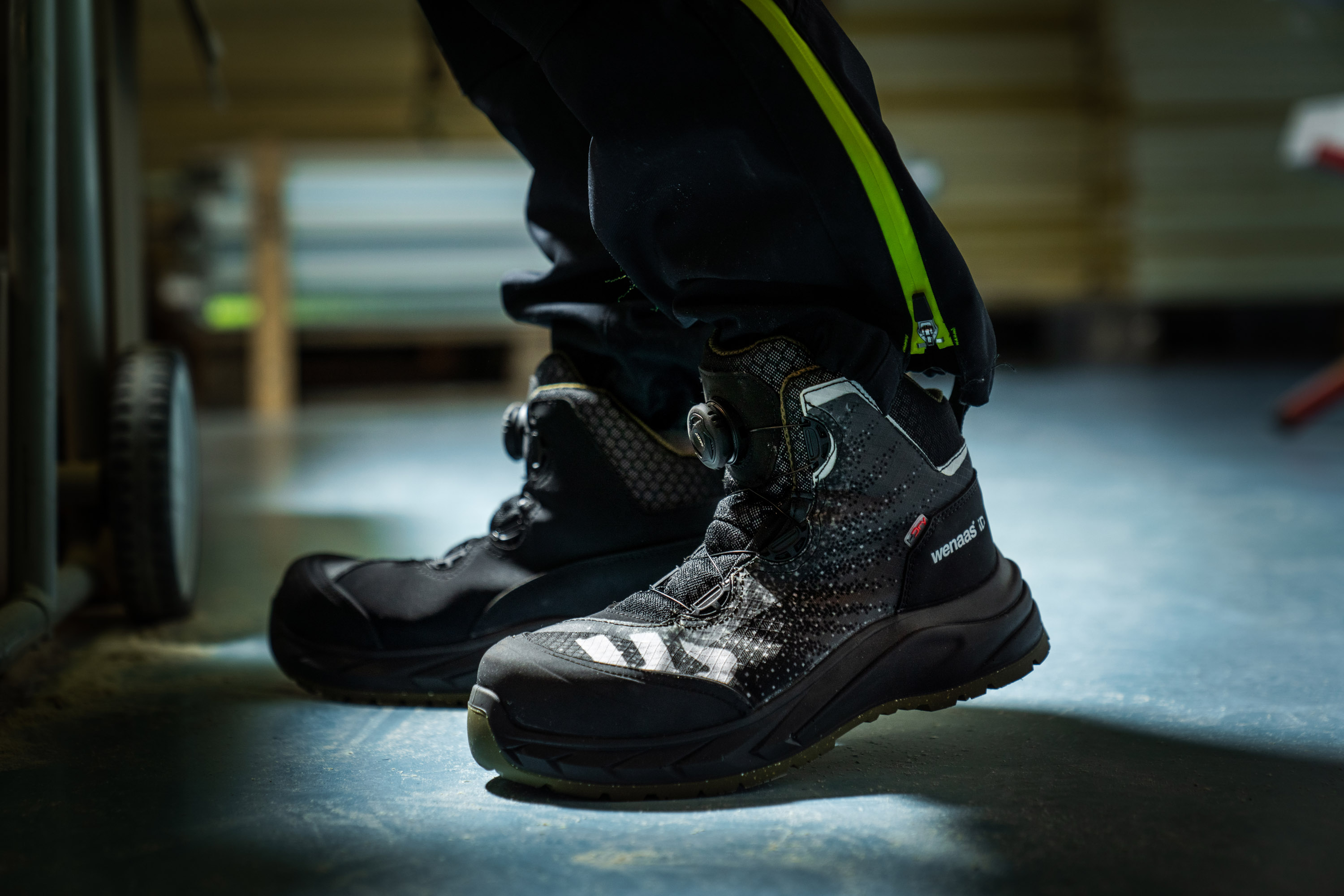
For Wenaas, it has been crucial to document measurable biomechanical differences, not just user-perceived comfort. When safety footwear is used for large parts of the day, the load profile in each step becomes important.
Results
- Significantly lower heel forces
The analysis of 20,000 measurements showed that Wenaas ID improved shock absorption in the heel strike phase during natural walking. Compared to the reference model, Soft InLet and Medium InLet reduced heel forces significantly by 6.5% and 6.7%, respectively. The data also indicates that a reduction of more than 6% per step can have a considerable cumulative effect over a workday with high walking loads.
- Improved foot stability in the forefoot
In addition, the analysis of 40,000 measurements showed that Wenaas ID provided a more gradual rotation of the forefoot during the load phase of walking. Compared to the reference model, Soft InLet and Medium InLet reduced pronation velocity significantly by 41% and 31%, respectively. This indicates improved foot stability and a smoother load transfer in each step.
A new way to construct safety footwear
According to the project foundation, the effect is not only about material choices in an insole or midsole, but about a new way of constructing safety footwear. The core of Wenaas ID is an interchangeable InLet integrated into the shoe’s construction. This solution provides cushioning, flexibility, and the possibility for individual adaptation.The analyses also point to the Medium InLet as a robust all-round solution across different weight classes. At the time of the laboratory study, Soft and Medium were available for testing. Firm is included in the launch but was not part of the laboratory evaluation.
Developed from the ground up – without compromise
To integrate InLet, the entire shoe construction had to be redesigned. The puncture-resistant sole was moved closer to the outsole, the traditional midsole was removed, and space was freed for a thicker, more shock-absorbing comfort layer - without compromising safety requirements, durability, or chemical resistance.
The result is a safety shoe that withstands extreme loads, while delivering a completely different comfort experience — feeling like the comfort of a trainer.
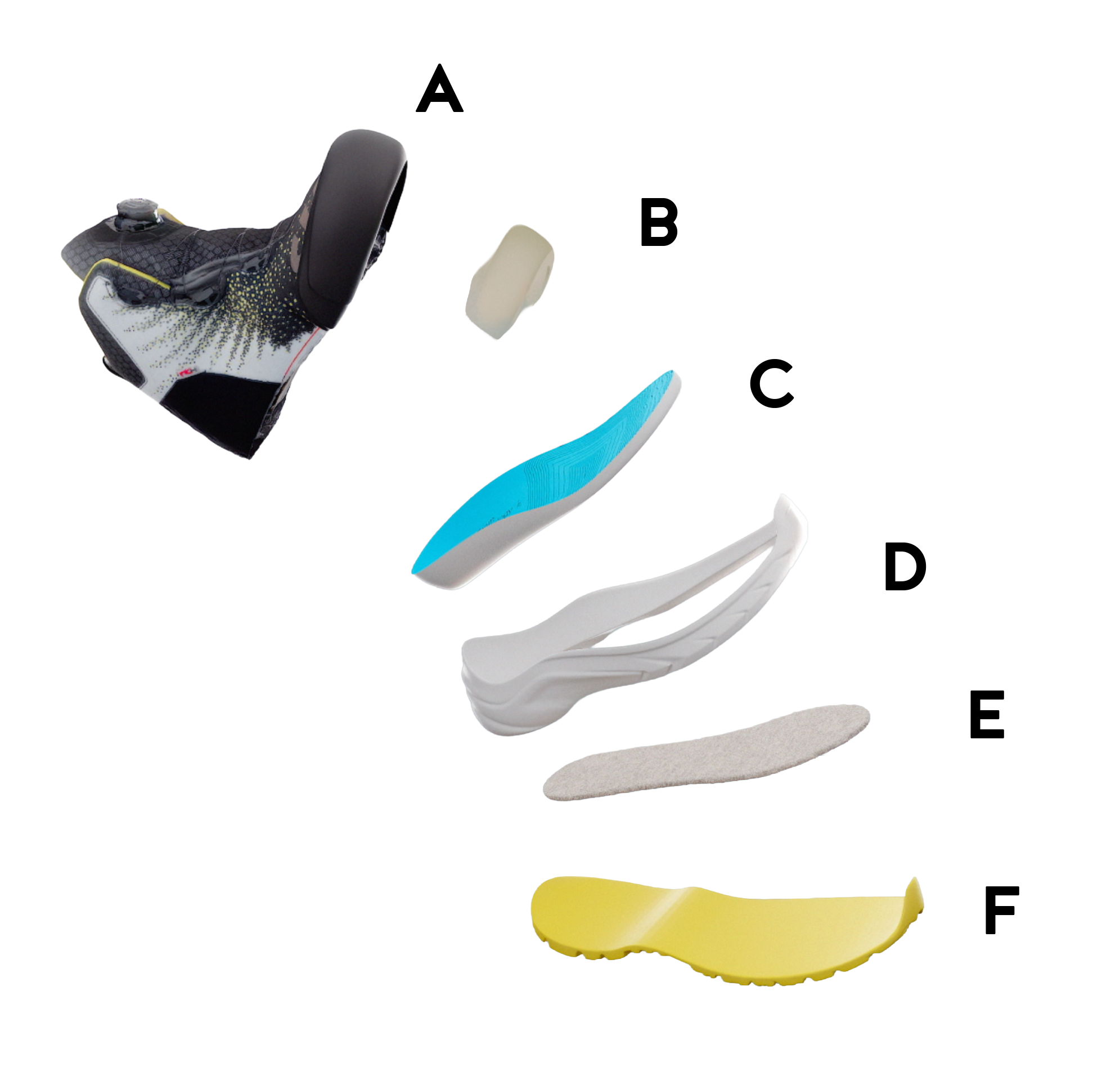
A. Upper: Several of the uppers in the range feature an HDry membrane and are waterproof.
B. Newly developed, lightweight safety toe cap with an asymmetrical design, providing more room for the toes and a more natural fit.
C. InLet: An integrated and replaceable part of the shoe’s construction. It reduces pressure on the heel and forefoot and helps prevent musculoskeletal issues.
D. PU frame: A newly developed protective galosh that shields the InLet from chemicals, oil, salt, and other external stresses.
E. Soft puncture-resistant midsole, Puncture Block – a soft and flexible solution that provides protection without compromising comfort.
F. Outsole with excellent slip-resistant properties. Complies with the new standard and SR test. Also HRO heat-resistant.

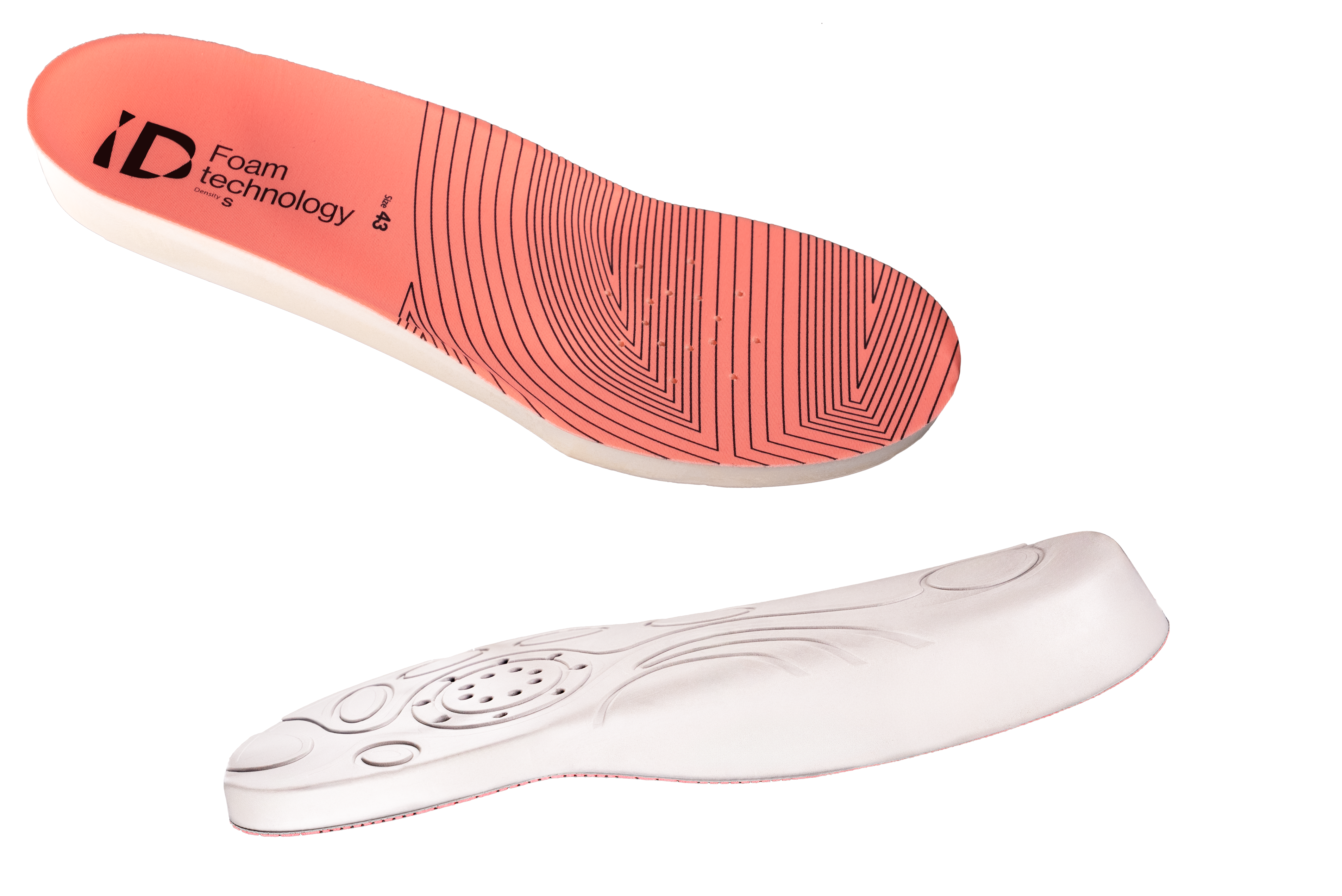
Soft InLet
– extra soft cushioning, ideal for people with stationary work or low body weight.
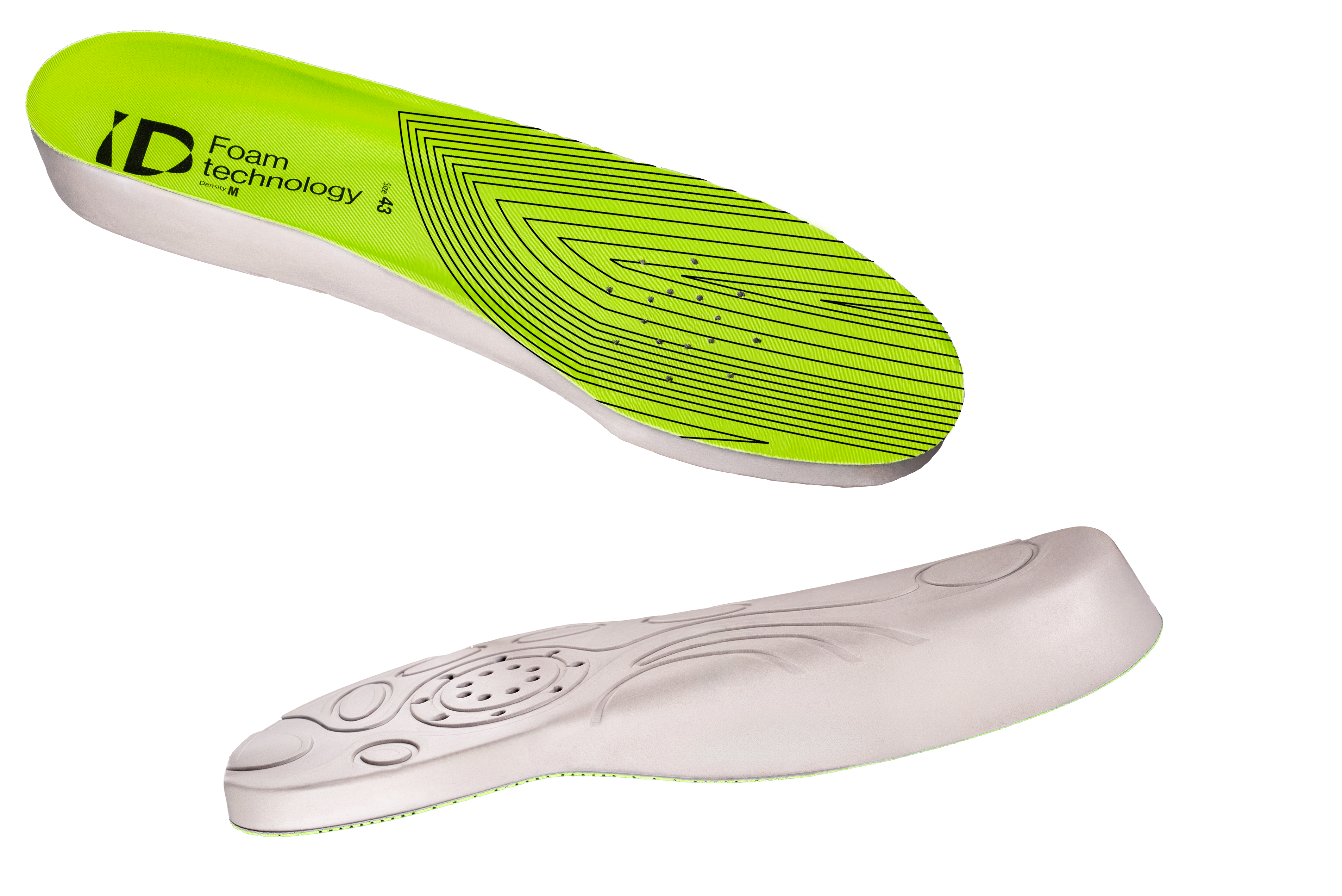
Medium InLet
– suitable for people who alternate between stationary work and moderate walking.
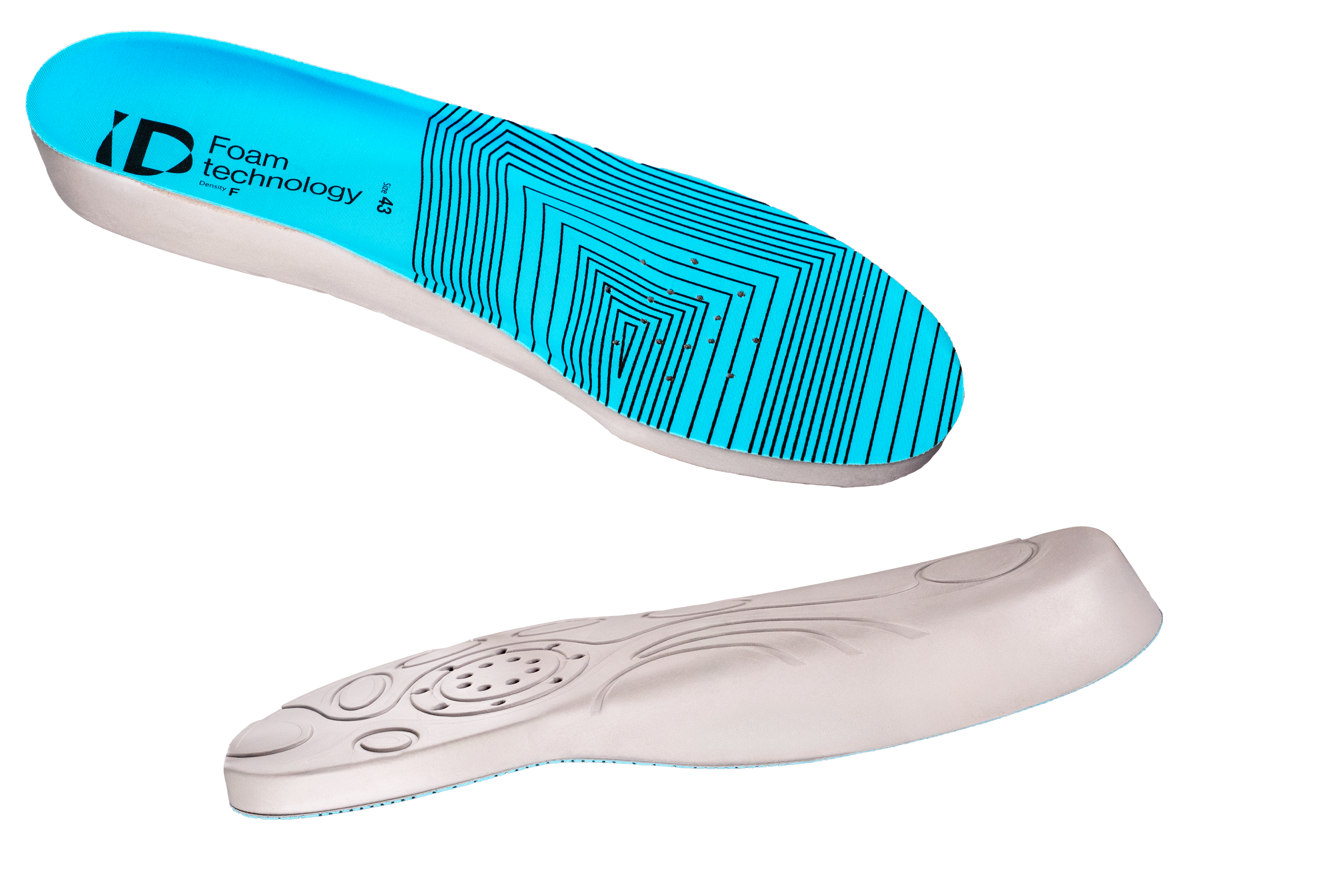
Firm InLet
– ideal for people who walk a lot during the workday, as well as for users with higher body weight.
Field testing under real working conditions
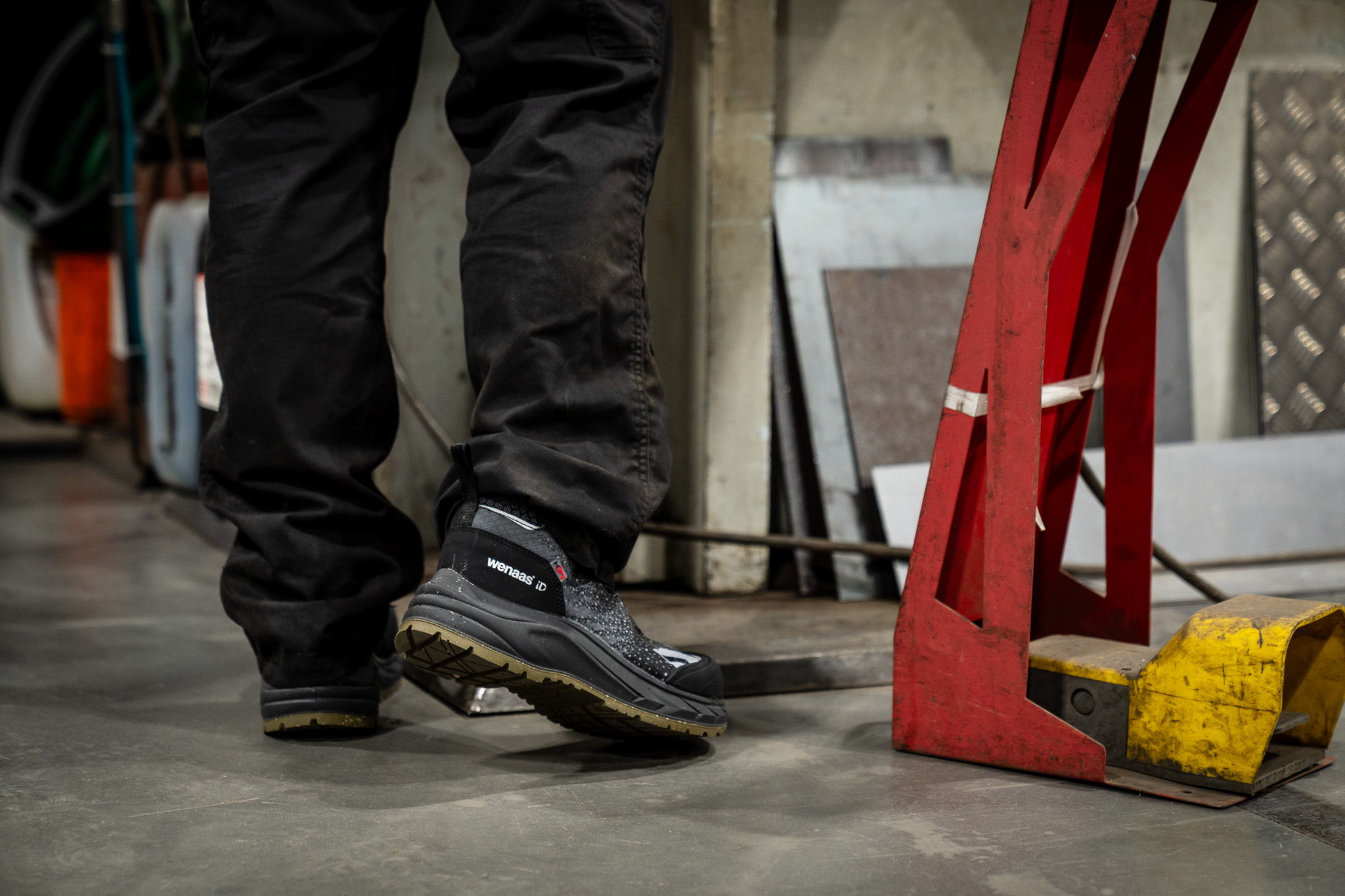
In parallel with the laboratory study, Wenaas ID was distributed for field testing over several months in offshore, onshore, and land-based industrial environments. The field results supported the laboratory findings, and users consistently reported improved comfort and performance in daily use.
Two participants also reported reduced joint and knee pain during the test period. Tore Christian B. Storholmen, Senior Researcher at SINTEF, states that this suggests the new construction affects both shock absorption and stability in a way that is beneficial for users who walk and stand a lot throughout the workday.
Relevance for professional environments
At the same time, it is important to be precise in interpreting the results. This is not a clinical treatment study, and the findings should not be understood as documentation of treatment for musculoskeletal disorders. For physiotherapists, occupational health services, and HSE professionals, the study nevertheless provides a relevant biomechanical basis for assessing how safety footwear can influence load distribution, stability, and sustained comfort over long workdays.
We believe that Wenaas ID represents a new step in preventive ergonomics in safety footwear, as the solution combines the required level of safety with documented improvements in shock absorption, stability, and adaptability.

We thank you for your support
This research and innovation project is supported by the Research Council. Information about the project’s objectives, participants, duration, and funding, as well as a brief overview of its content and framework, can be found in the link below.